5 Signs Your Child Could Benefit from Karate Classes
Every parent wonders whether their child needs structured physical activity beyond regular school programs. Karate offers unique developmental benefits that few other activities can match.
The decision to enroll a child in martial arts shouldn't be random. Certain behavioral patterns and developmental challenges indicate when karate training would prove especially beneficial.
These five signs suggest your child might thrive with structured martial arts instruction and the discipline it provides.
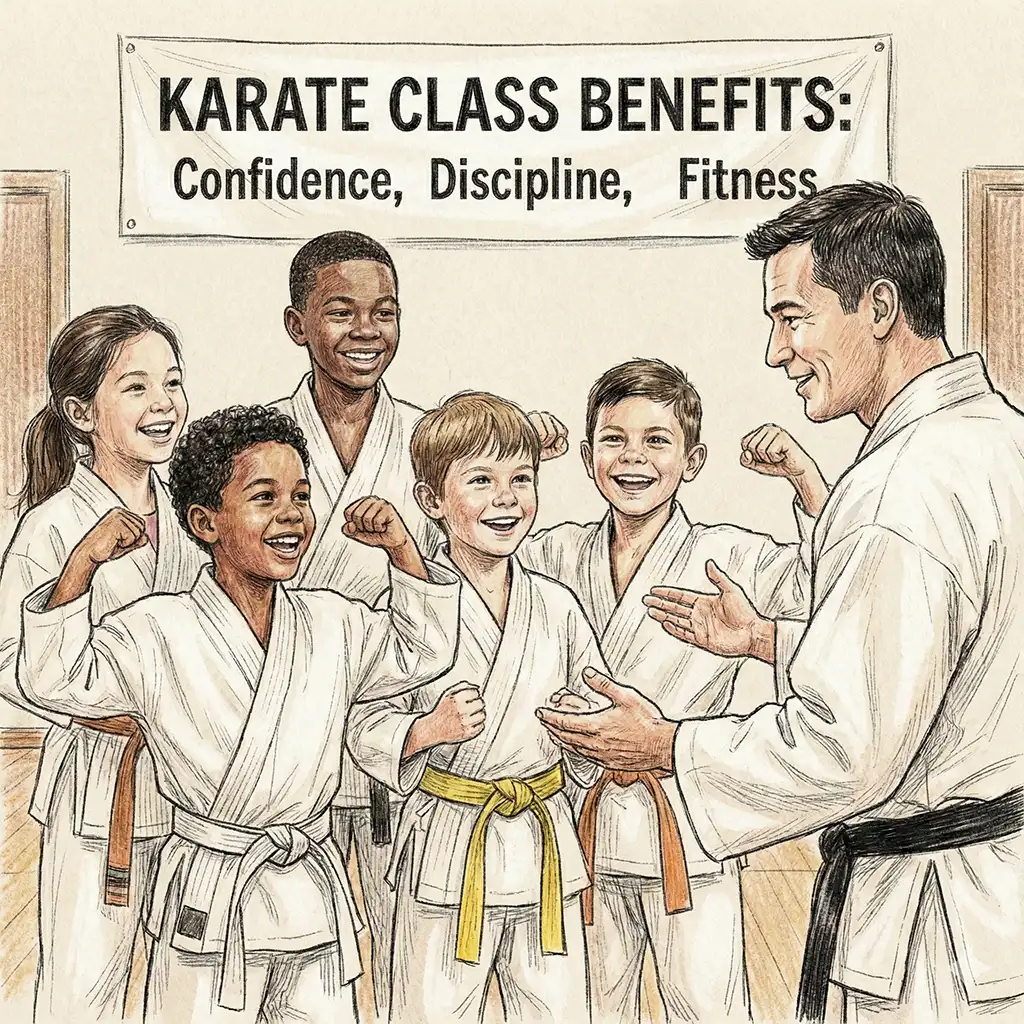
| Sign | What It Indicates | How Karate Helps |
|---|---|---|
| Difficulty focusing | Attention regulation challenges | Structured focus training |
| Low self-confidence | Insecurity about abilities | Achievement-based growth |
| Excess energy | Need for physical outlet | Channeled physical activity |
| Social struggles | Difficulty making friends | Structured social environment |
| Impulsive behavior | Weak impulse control | Self-regulation practice |
Sign 1: Your Child Struggles to Focus and Follow Instructions
Teachers report that your child drifts off during lessons, forgets multi-step directions, and struggles to complete tasks requiring sustained attention. At home, homework battles stretch for hours as your child's mind wanders repeatedly. These focus challenges don't necessarily indicate a disorder—many children simply haven't developed strong attention regulation skills through their normal activities.
Karate classes demand concentrated attention in ways that build these neural pathways systematically. Students must watch instructor demonstrations carefully, remember sequences of movements, and execute techniques with precision. The consequences of inattention are immediate and concrete—a missed block during sparring or a forgotten kata sequence becomes instantly obvious.
The training environment itself reinforces focus through its structure and ritual. Students bow before entering, maintain specific positions during instruction, and respond to commands instantly. This externally imposed structure gradually becomes internalized as children develop the habit of paying attention. Parents frequently report improvements in homework focus within three to four months of consistent training.
How Focus Training Transfers to Academics
The attention skills developed in the dojo translate remarkably well to classroom settings. Children learn to filter out distractions, maintain engagement during lengthy explanations, and follow complex sequential instructions. A study from the University of Toronto found that children in martial arts programs showed 23% greater improvement in sustained attention tasks compared to children in team sports programs.
The ritualized structure of martial arts classes creates predictable patterns that children's brains can anchor onto. Every class follows similar sequences—warm-up, technique practice, partner drills, closing ceremony. This predictability reduces cognitive load, allowing children to direct mental energy toward learning rather than wondering what happens next. Over time, students internalize these structures and begin creating their own organizational systems for other activities.
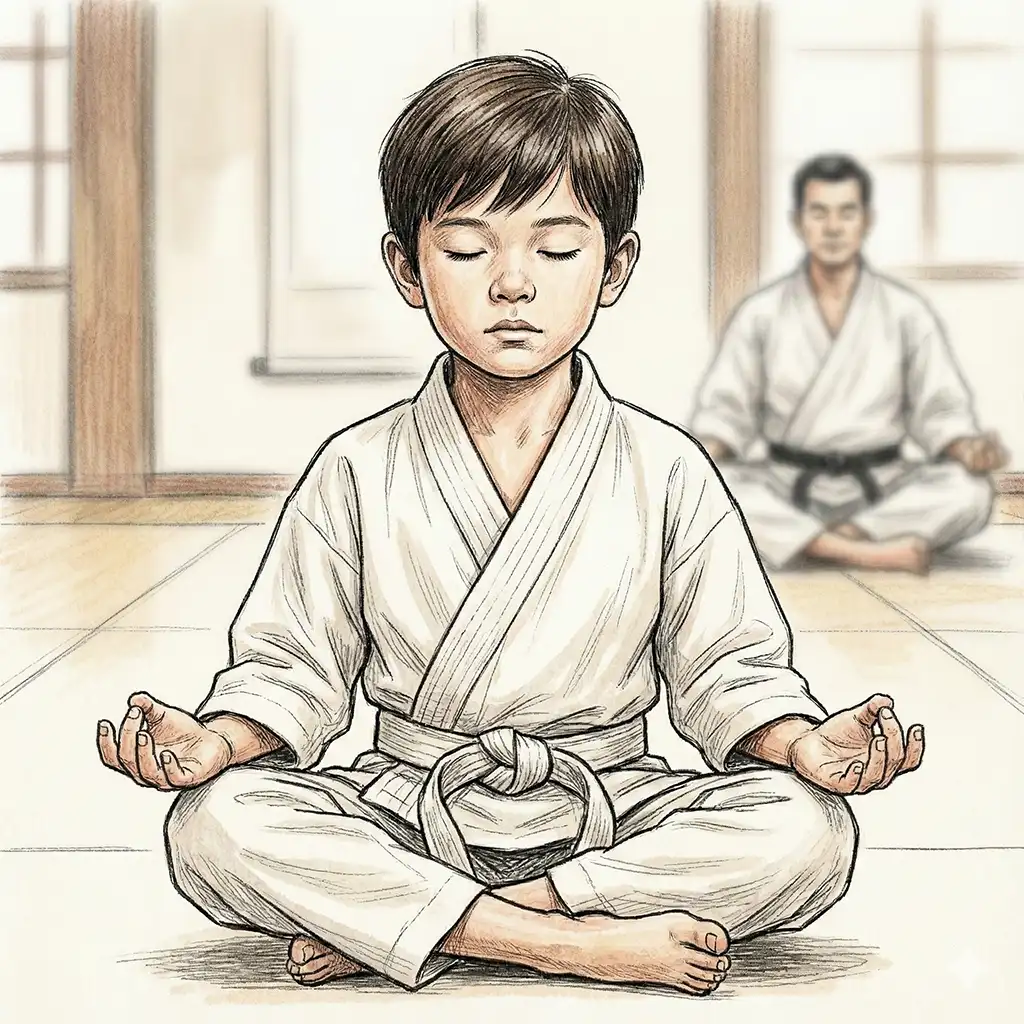
Sign 2: Low Self-Confidence Holds Your Child Back
Your child hesitates to try new activities, gives up quickly when facing challenges, and speaks negatively about their own abilities. They might say things like "I'm not good at anything" or "I can't do it" before even attempting tasks. This pattern of low self-efficacy limits their willingness to take healthy risks and embrace growth opportunities.
The belt system in karate provides visible, tangible evidence of progress that children can literally wear. Each stripe and belt promotion represents documented achievement that no one can take away or dismiss. Unlike vague praise or participation trophies, earning a new belt requires demonstrating specific skills in front of instructors and peers. The accomplishment is real and earned.
Something powerful happens when a child who doubted themselves successfully breaks a board or earns their first belt promotion. They experience concrete proof that effort produces results. This evidence-based confidence differs fundamentally from empty encouragement. Children begin approaching other challenges with a "maybe I can" mindset rather than automatic defeat.
The Mastery Experience Effect
Psychologist Albert Bandura identified mastery experiences as the most powerful source of self-efficacy. Karate provides structured mastery experiences through its progressive curriculum. Each technique learned and each rank achieved builds upon previous accomplishments. Children accumulate evidence of their own capability through direct personal experience rather than through the words of adults trying to make them feel better.
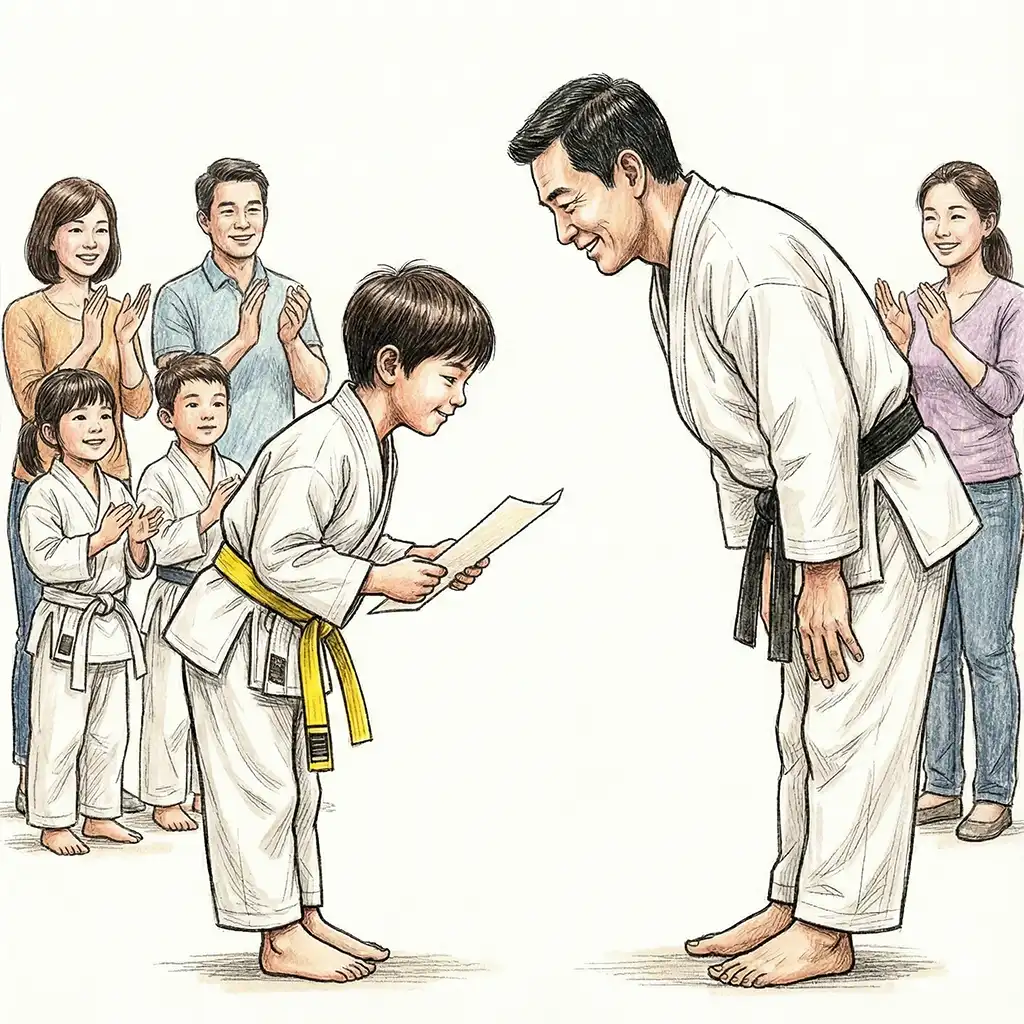
The public nature of belt testing adds weight to achievements. When a child demonstrates techniques before an audience and receives a new belt, the accomplishment becomes socially validated. Family members attend, classmates congratulate, and the new rank is visible to everyone at every future class. This public recognition helps children internalize their success rather than dismissing it as mere luck or low standards.
Sign 3: Boundless Energy Without Productive Outlet
Your child bounces off walls at home, struggles to sit still during meals, and seems physically incapable of relaxing. Teachers describe them as "always in motion" and report difficulty keeping them seated during instruction. This high energy level isn't inherently problematic—it simply needs appropriate channels for expression.
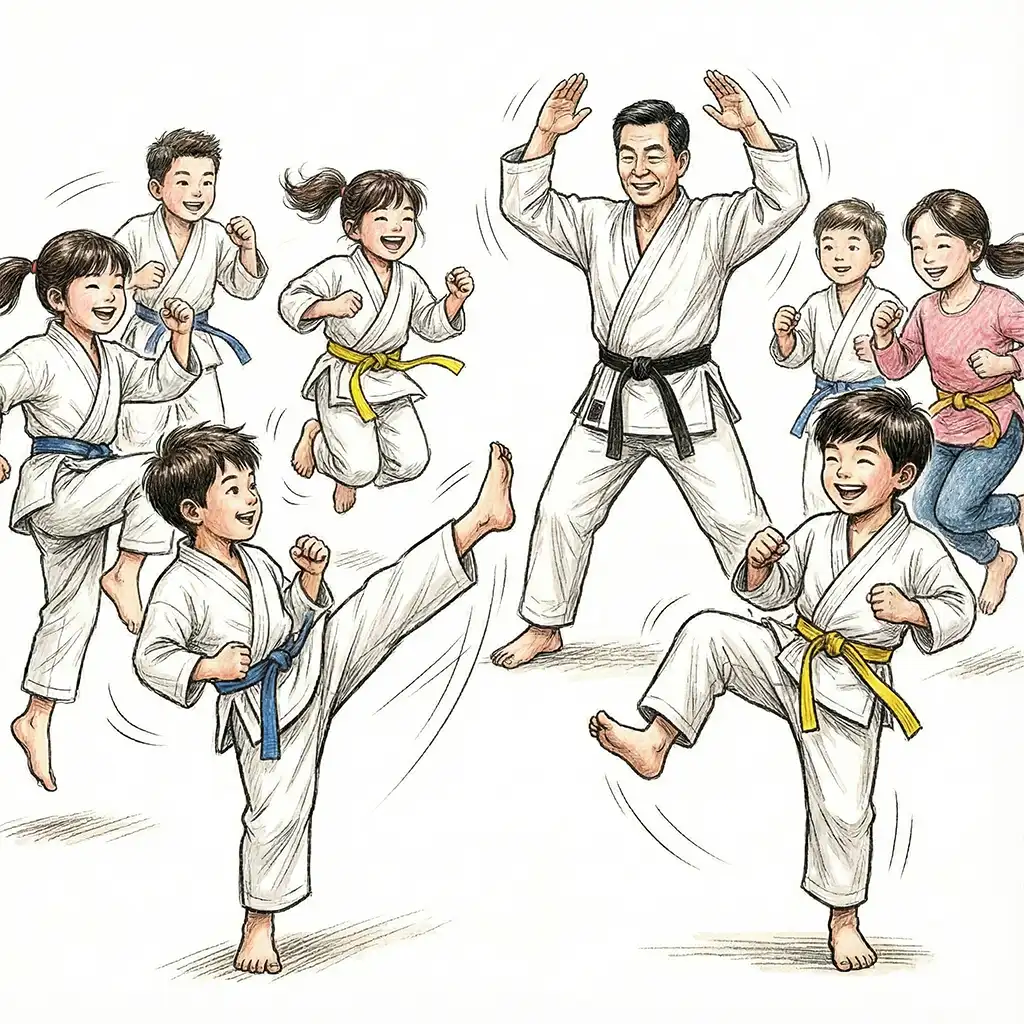
Karate classes burn tremendous physical energy through intense full-body workouts. A typical one-hour class includes warm-up exercises, technique drills, partner work, and conditioning activities that leave even the most energetic children appropriately tired. Unlike passive activities that attempt to suppress energy, martial arts training expends it productively.
Beyond simple exhaustion, karate teaches children to regulate their energy output consciously. Students learn when to explode with maximum power and when to remain still and controlled. This conscious modulation of physical energy develops body awareness and self-regulation skills that transfer to other settings. The hyperactive child learns they can control their body—not just suppress their natural energy but direct it intentionally.
Parents of high-energy children often report dramatic improvements in sleep patterns after starting karate training. The physical demands of regular classes help regulate circadian rhythms and reduce restlessness at bedtime. Better sleep, in turn, improves daytime focus and emotional regulation, creating a positive feedback loop that benefits every aspect of the child's life. The energy that once felt like a burden becomes a strength when properly channeled through martial arts discipline.
Sign 4: Difficulty Making Friends and Social Anxiety
Your child hangs back during group activities, struggles to initiate conversations with peers, and seems to have few close friendships despite wanting connection. Social situations may trigger visible anxiety or avoidance behaviors. Traditional team sports might feel overwhelming due to complex social dynamics and pressure to perform for the group.
The dojo provides a uniquely structured social environment with clear rules governing all interactions. Children know exactly how to behave—when to bow, how to address others, what's expected during partner drills. This predictability reduces social anxiety significantly. Instead of navigating ambiguous playground politics, students follow established protocols that remove much of the uncertainty from peer interactions.
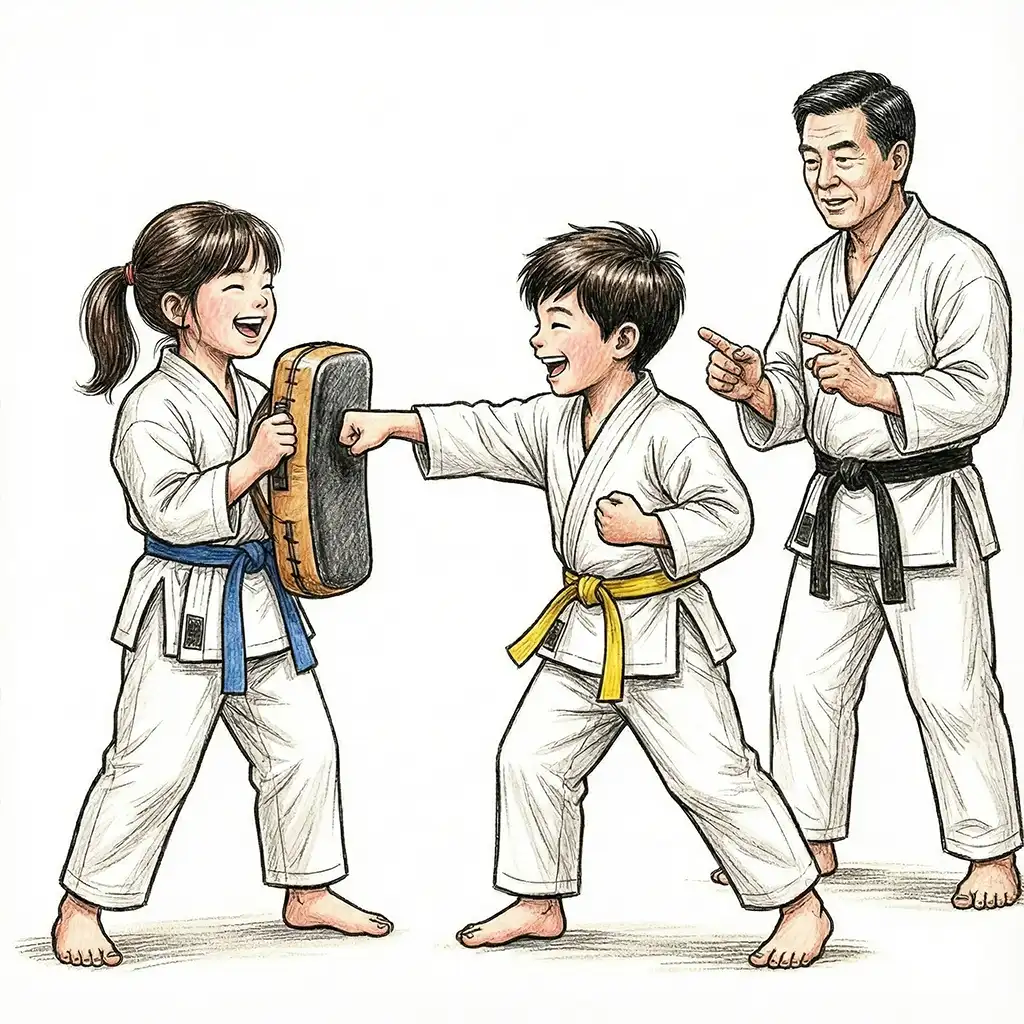
Social benefits children gain from dojo training:
- Built-in conversation topics centered on shared training experiences
- Natural mentorship relationships between senior and junior students
- Regular partner rotations that create diverse social connections
- Shared goals and celebrations that build group belonging
- Safe environment to practice assertiveness and verbal communication
Friendships formed through martial arts training often become remarkably strong. Students who train together, struggle together, and achieve together develop bonds built on mutual respect and shared experience. Many parents report that their socially anxious child made their first genuine friendships at the dojo after struggling for years at school.
| Training Duration | Typical Social Improvements | Observable Behaviors |
|---|---|---|
| 1-3 months | Reduced anxiety in class | Willing to participate |
| 4-6 months | Emerging friendships | Talks about training partners |
| 7-12 months | Confident interactions | Initiates social contact |
| 12+ months | Leadership behaviors | Helps newer students |
Sign 5: Impulsive Reactions and Poor Emotional Control
Your child reacts before thinking, struggles to manage frustration appropriately, and has difficulty waiting their turn. Minor setbacks trigger disproportionate emotional responses. Teachers may describe problems with blurting out answers, interrupting others, or acting without considering consequences. These impulse control challenges affect academic performance, friendships, and family harmony.
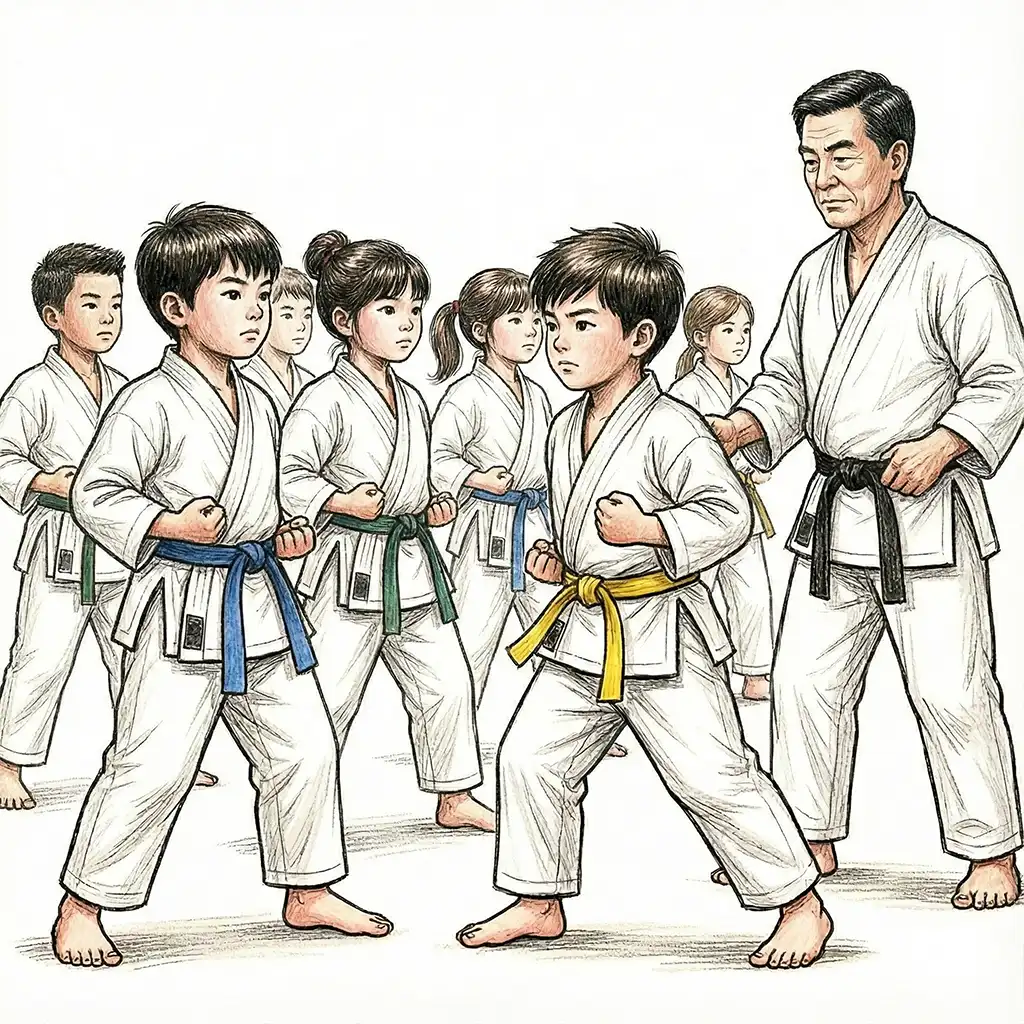
Martial arts training builds impulse control through thousands of repetitions of deliberate, controlled movements. Students learn to execute techniques only on command, wait patiently for instructions, and regulate their physical responses during sparring. The dojo becomes a laboratory for practicing self-regulation in a supportive environment where mistakes have low stakes.
Building the Pause Between Stimulus and Response
Karate explicitly teaches the space between impulse and action. Sparring requires reading an opponent's movement, considering options, and selecting appropriate responses—all in fractions of a second. This practice builds neural pathways for pausing before reacting. Children develop the habit of thinking before acting through sheer repetition rather than through lectures about self-control.
The breathing techniques taught in traditional martial arts programs provide practical tools for emotional regulation. When children feel frustration or anger rising, they can apply the same centering breaths used before kata performances. These techniques become portable self-regulation strategies that work in classrooms, playgrounds, and dinner tables.
Impulsive children often struggle with the consequences of their actions in social settings—friendships damaged by thoughtless comments, games ruined by inability to wait turns. Karate provides a controlled environment where they can practice patience thousands of times. Standing at attention, waiting for commands, and taking turns during drills builds impulse control muscle memory. The child who once acted first and thought later gradually develops the habit of pausing before reacting.
Taking the First Step Toward Transformation
Recognizing these signs in your child represents the first step toward positive change. Karate classes won't magically solve every challenge overnight, but they provide structured environments where children develop crucial life skills through consistent practice. The combination of physical training, mental discipline, and social learning creates comprehensive developmental benefits.
Finding the right school matters tremendously. Look for programs that emphasize character development alongside physical technique. Ask about class sizes, instructor qualifications, and teaching philosophy. Observe classes before enrolling to ensure the environment matches your child's needs and your family's values.
The instructor-student relationship plays a crucial role in successful outcomes. Children struggling with the signs described in this article need patient, encouraging teachers who understand developmental challenges. Look for instructors who demonstrate warmth alongside discipline, who notice individual struggles, and who celebrate incremental progress. The wrong instructor can reinforce negative patterns rather than break them.
Steps to finding the right karate program:
- Research local schools and read online reviews from other parents
- Visit multiple schools and observe actual youth classes in session
- Ask about trial periods before committing to contracts
- Discuss your child's specific challenges with the head instructor
- Start with a realistic twice-weekly schedule to build consistency
Most children show noticeable improvements within three to six months of consistent training. The investment of time and resources pays dividends that extend far beyond the dojo—into classrooms, friendships, and family relationships. Many parents describe martial arts training as one of the best decisions they ever made for their struggling child.
Remember that every child develops at their own pace. Some show rapid transformation while others need longer to absorb the lessons. Trust the process and maintain consistent attendance. The discipline of showing up twice weekly, even when motivation wavers, teaches valuable lessons about commitment and perseverance that serve children throughout their lives.
Frequently Asked Questions
Children showing multiple signs often benefit most dramatically from training, as karate addresses focus, confidence, energy, social skills, and impulse control through integrated practice.
Karate complements professional intervention but doesn't replace it—consult your pediatrician if challenges significantly impair daily functioning or academic performance.
Research supports martial arts as beneficial for children with ADHD, with studies showing improvements in attention, self-regulation, and executive function after consistent training.
Most schools accept children as young as four, though structured focus training typically becomes more effective around ages five to six.
Initial resistance is common—commit to at least eight weeks before evaluating, as most children overcome nervousness and discover genuine enjoyment during this adjustment period.
Most parents notice subtle improvements within four to six weeks, with more substantial changes becoming apparent after three to four months of consistent twice-weekly attendance.