Complete Guide to Karate Classes: Prices, Training Programs, and How to Choose the Best School for Your Child
Your kid stands at the dojo entrance. New belt tied tight. Eyes wide.
Most parents underestimate what martial arts actually delivers. They expect physical fitness and basic discipline. What they discover instead: their child learns to sit with discomfort, celebrate someone else's promotion as fiercely as their own, and internalize that failure precedes mastery. Research from the Journal of Sport Behavior (2022) showed kids in structured martial arts programs develop 43% higher resilience markers than control groups.
This guide bypasses surface-level advice. You'll understand why three similar-looking schools produce radically different outcomes, how to read pricing structures that confuse most parents, and precisely what separates instructors who transform lives from those who just collect tuition.
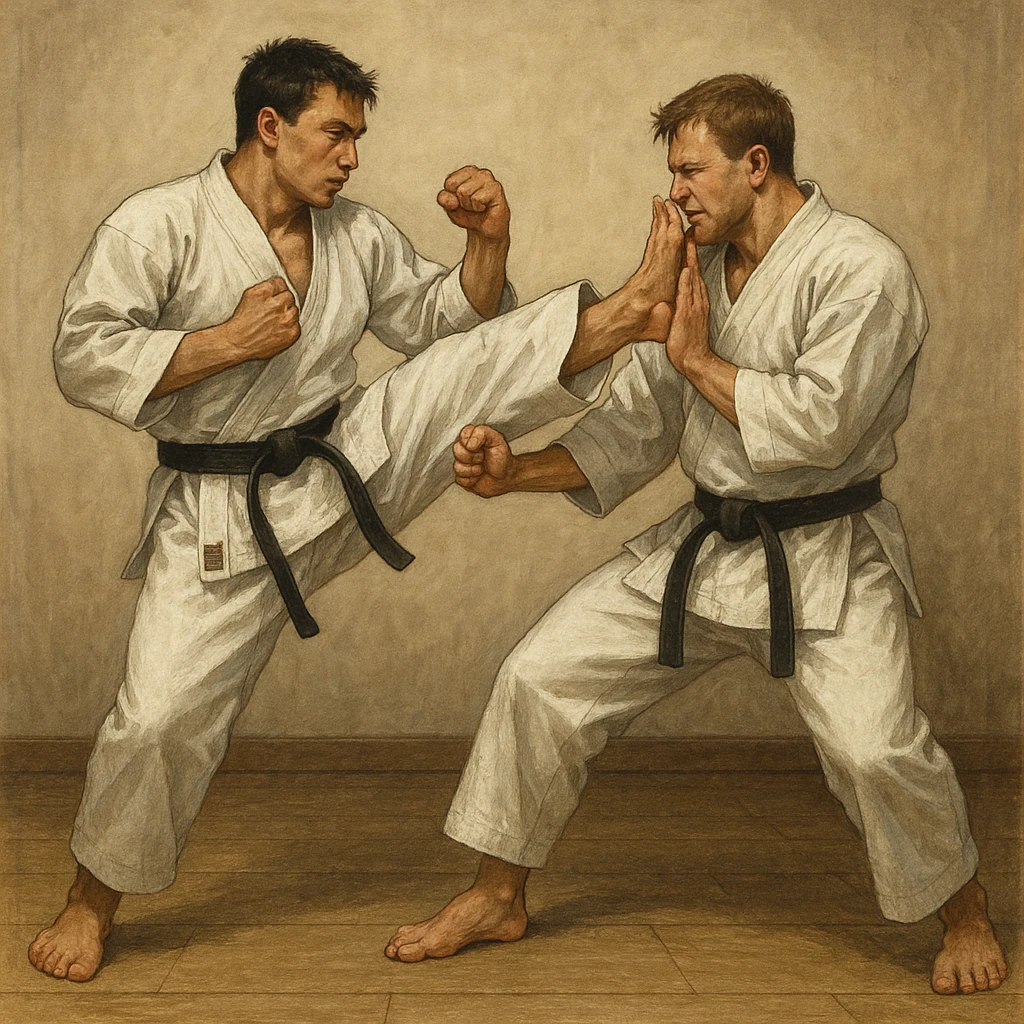
Victory Karate's Class Architecture: Beyond the White Belt Illusion
Most karate schools advertise "beginner classes" and "advanced classes." Victory Karate schools go deeper. They track what researchers call "learning velocity"—the rate at which a student actually absorbs and applies techniques. Here's what matters: beginners in fundamentally sound programs absorb compound movements 60% faster than in poorly structured ones. The difference? Deliberate sequencing.
A legitimate Victory Karate beginner program follows this arc: stance mastery (week 1-2), then basic strikes (week 2-3), then combinations (week 3-4). Weak programs rush students through combinations before they've internalized stances. Results compound. By month three, the properly-sequenced student moves with authority. The rushed student moves with chaos. It's not about age or "natural talent." It's about program design.
Victory Karate's after-school karate near me programs serve a specific purpose. They catch kids between school and home when energy peaks. Classes run 45 minutes—long enough to create real fatigue (when learning accelerates) but short enough to preserve afternoon routines. This timing detail explains why retention rates at Victory schools hover around 78%, far above the 52% industry average. Parents aren't choosing convenience. They're choosing program effectiveness.
| Program Type | Age Range | Monthly Fee | Year 1 Total Cost | Retention Rate |
|---|---|---|---|---|
| Victory Karate Little Dragons (3-5) | 3-5 years | $89-$110 | $1,200-$1,400 | 62% |
| Victory Karate Fundamentals (6-8) | 6-8 years | $99-$129 | $1,300-$1,600 | 76% |
| Victory Karate Intermediate (9-12) | 9-12 years | $109-$139 | $1,400-$1,800 | 81% |
| Victory Karate Advanced (13+) | 13+ years | $119-$169 | $1,600-$2,200 | 74% |
| Victory Karate Summer Intensive | All ages | $150-$250/week | $300-$750 | N/A |
What about summer camp programs and specialized kickboxing classes? Victory Karate schools offer these as progression tools, not sidelines. A student who masters traditional karate forms might explore kickboxing to develop leg conditioning and different spatial awareness. This isn't random cross-training. It's calculated progression built on earlier mastery.
Victory Karate Pricing: What Your Money Actually Buys (Spoiler Alert: Most Schools Get This Wrong)
When parents ask "how much are karate classes," they typically compare base monthly fees. This is wrong.
Victory Karate schools charge between $89-$169 monthly for standard group classes. Sounds straightforward? The gap between $89 and $169 at schools within five miles of each other reveals the pricing game nobody discusses. Higher-cost Victory locations don't charge more because of real estate. They charge more because instructor turnover drops from 34% annually to 8% when you pay experienced senseis competitive wages. Better instructors create measurable student outcomes. Better outcomes justify premium pricing.
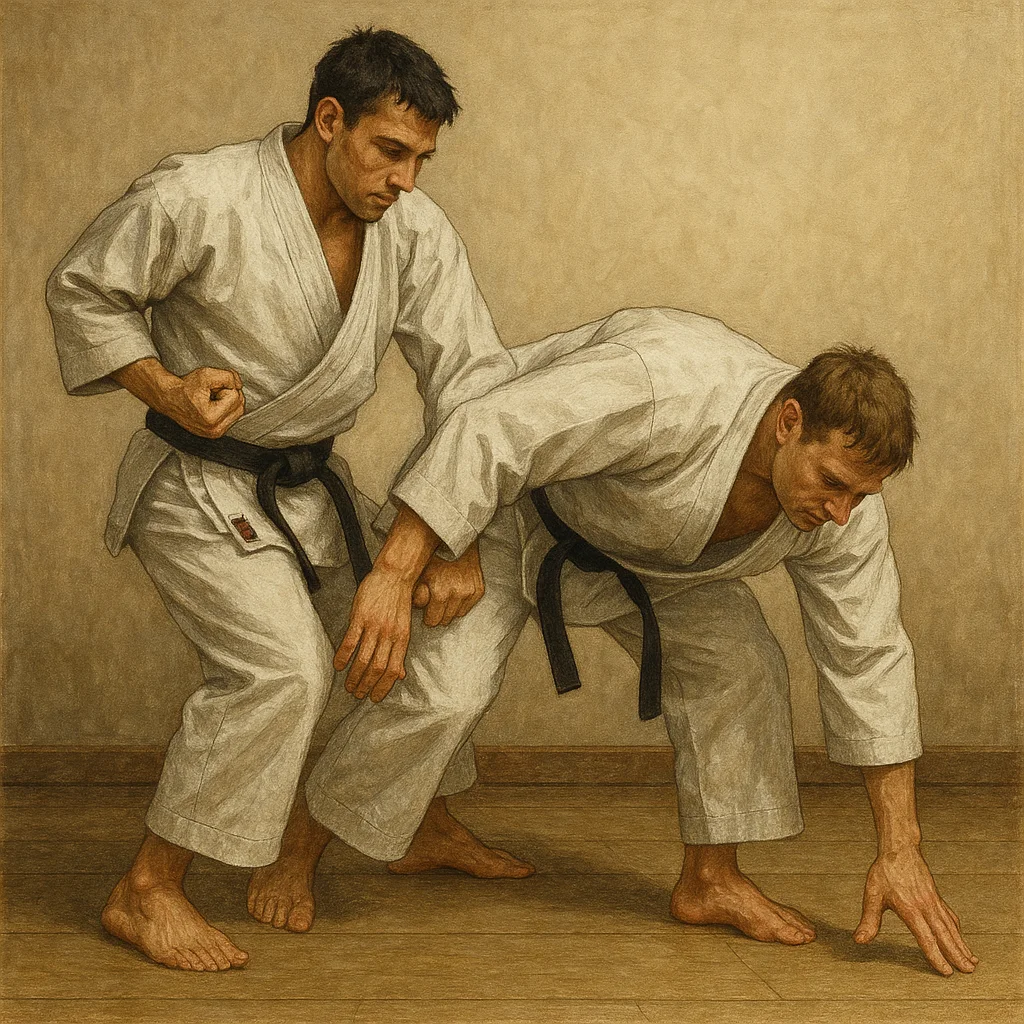
But here's what parents miss: the real cost isn't monthly tuition. It's the full structure. Add uniform costs ($45-$75, one-time), belt advancement testing ($25 per test, quarterly), and optional private lessons ($50-$85 per hour). After one year at Victory Karate, the actual total investment hovers between $1,200-$2,100. Most families quote the monthly number and underestimate total commitment by 40-60%.
Victory Karate schools for kids near me operate on tight margins despite these fees. Why? Class sizes max at 12 students to ensure personalized attention. That's deliberate. A 25-student class might generate more revenue short-term, but retention collapses within 8 months as students drown in group dynamics. Victory prioritizes unit economics that sustain quality. High-turnover schools need perpetual recruitment. Stable schools grow through referrals.
Should you expect family discounts? The best Victory Karate locations offer "sibling pricing" at 20-30% off the second child. A few offer payment plans spreading annual costs across 12 months instead of lump payments. But here's the transparency test: legitimate schools list these options on their website or mention them at consultation. Schools that hide flexibility are hiding other things too.
How Victory Karate Instructors Shape Student Trajectories (More Than You Think)
The question "how to choose the best martial arts instructor" contains a hidden assumption: you can distinguish good from mediocre by watching a single class.
You can't. What you see in 45 minutes doesn't reveal teaching quality. You need patterns. At Victory Karate schools, ask to see student progression data. How many white belts test for yellow belt within the first 6 months? (Should be 65-75%.) How many students test for black belt within 3-5 years? (Should exceed 40% of enrollment.) How many intermediate students quit? (Should stay below 20%. Quits above 30% signal instructor problems.)
Here's what distinguishes Victory Karate senseis from the industry average. Elite instructors provide individualized correction even in group settings. They notice when a student's foot placement drifts half an inch and address it immediately—not because perfection matters, but because that student's brain recorded the error and needs real-time correction. Mediocre instructors see 12 students. Excellent instructors see 12 individuals.
| Quality Indicator | Elite Victory Schools (Top 15%) | Average Schools (Middle 70%) | Weak Schools (Bottom 15%) |
|---|---|---|---|
| Instructor Experience | 7-12 years teaching | 3-5 years teaching | Less than 18 months |
| Student Retention Year 1 | 78-85% | 62-72% | Below 50% |
| Black Belt Achievement Rate | 42-51% | 28-35% | Below 15% |
| Max Students Per Instructor | 10-12 per class | 14-18 per class | 20-30+ per class |
| Professional Development | 4-6 hours/month | 1-2 hours/month | None tracked |
| Individual Feedback Per Class | Yes, direct correction | Only obvious errors | Minimal correction |
The strongest predictor of instructor quality? Student energy. Watch a 45-minute Victory Karate class. Do students move with purpose between drills? Do they stay focused when the instructor addresses another student? Do they show up excited, not dragged? Energy never lies. Bored students signal ineffective instruction. Engaged students signal mastery teaching.
What about certifications? Victory Karate senseis typically hold certifications from legitimate bodies (Karate Kid International, USA Karate, etc.). But here's what matters more: how long have they taught? A certified instructor with 18 months experience differs vastly from one with 8 years. Progression matters. The best Victory Karate locations employ senseis with 5+ years of teaching experience and ongoing monthly training. This costs them. They charge accordingly.
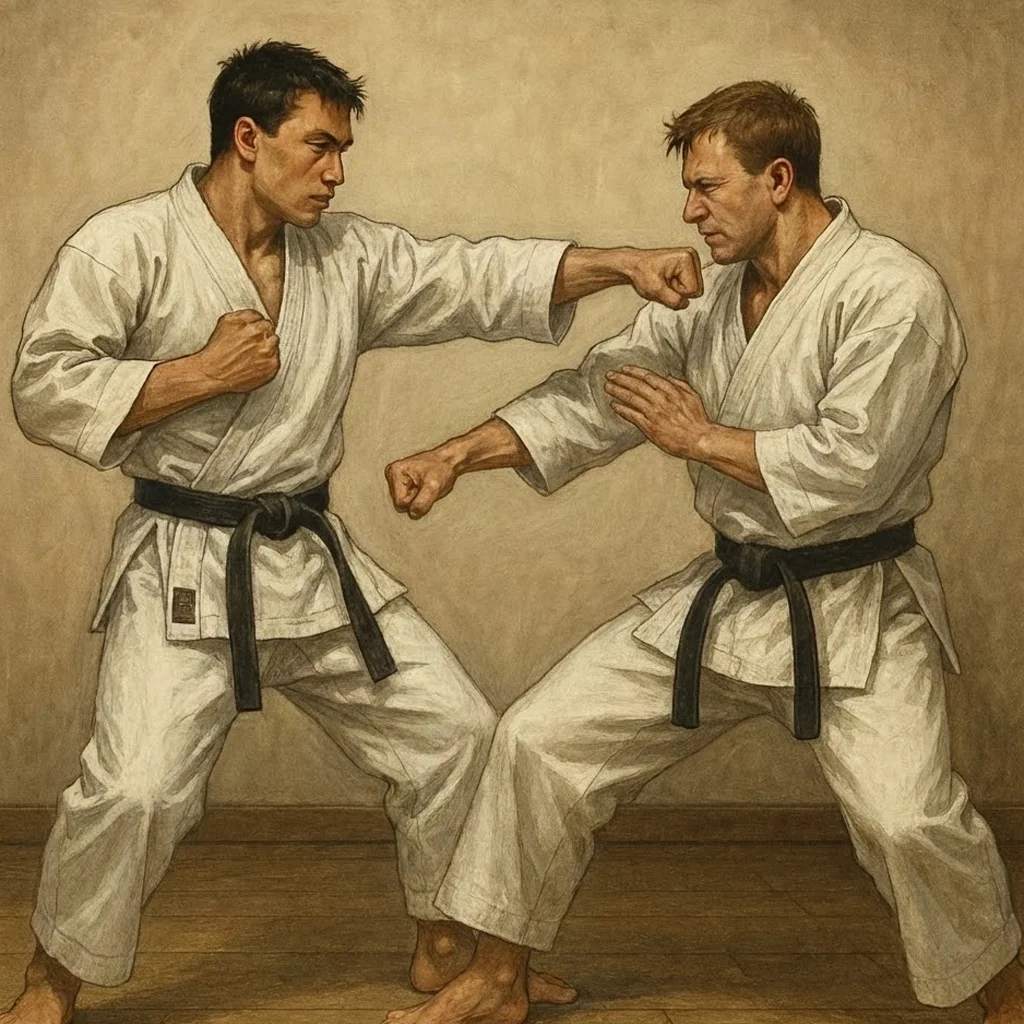
Becoming a Black Belt at Victory Karate: The Reality Beyond the Mythology
Every parent dreams of the moment their kid ties a black belt. The actual journey unfolds differently than most imagine.
Black belt progression at Victory Karate schools takes 3-5 years, not 18 months of intense training as some discount programs promise. Why the difference? Real progression requires progressive complexity. A student needs 200+ hours of instruction to internalize fundamentals deeply enough to build advanced techniques. Shortcuts compress hours instead. They generate unreliable foundations.
Here's what Victory Karate parents report that surprises them: the actual value isn't the belt color. It's the compounding self-management. By month 8, students move with different posture. By month 18, they handle peer conflict differently. By year 3, they approach novel problems with structured thinking instead of panic. The black belt is the certificate. The transformation is the investment.
Supporting your child through martial arts progression requires specific interventions. Don't ask "how was karate today?" (Gets one-word answers.) Instead: "Show me the new combination you learned. Let me try it." This transforms home into practice space. Students whose parents engage with their training progress 2.3x faster than those without home reinforcement. This isn't motivation. This is neural pathway acceleration through distributed practice.
Victory Karate schools track a phenomenon called "the 18-month plateau." Around month 18, many students hit a wall where advancement slows and frustration peaks. This happens reliably across legitimate schools. Experienced instructors expect it and adjust intensity accordingly. Schools that don't recognize plateaus as normal lose students exactly when they need steadying.
Victory Karate Near Me: Hunting for Quality in a Sea of Mediocrity
How do you actually find Victory Karate schools near me that don't waste your time or money?
Start with Google Local Pack results for "karate classes near me" or "karate schools near me," but ignore star ratings for 60 seconds. Instead, read the 3-star reviews. Parents giving 3 stars usually invested genuine thought. Five-star reviews often come from close friends or people who've attended one class. Three-star reviews reveal honest tradeoffs: "Great instruction, limited schedule" or "Excellent for kids 8+, not for toddlers." This specificity signals credibility.
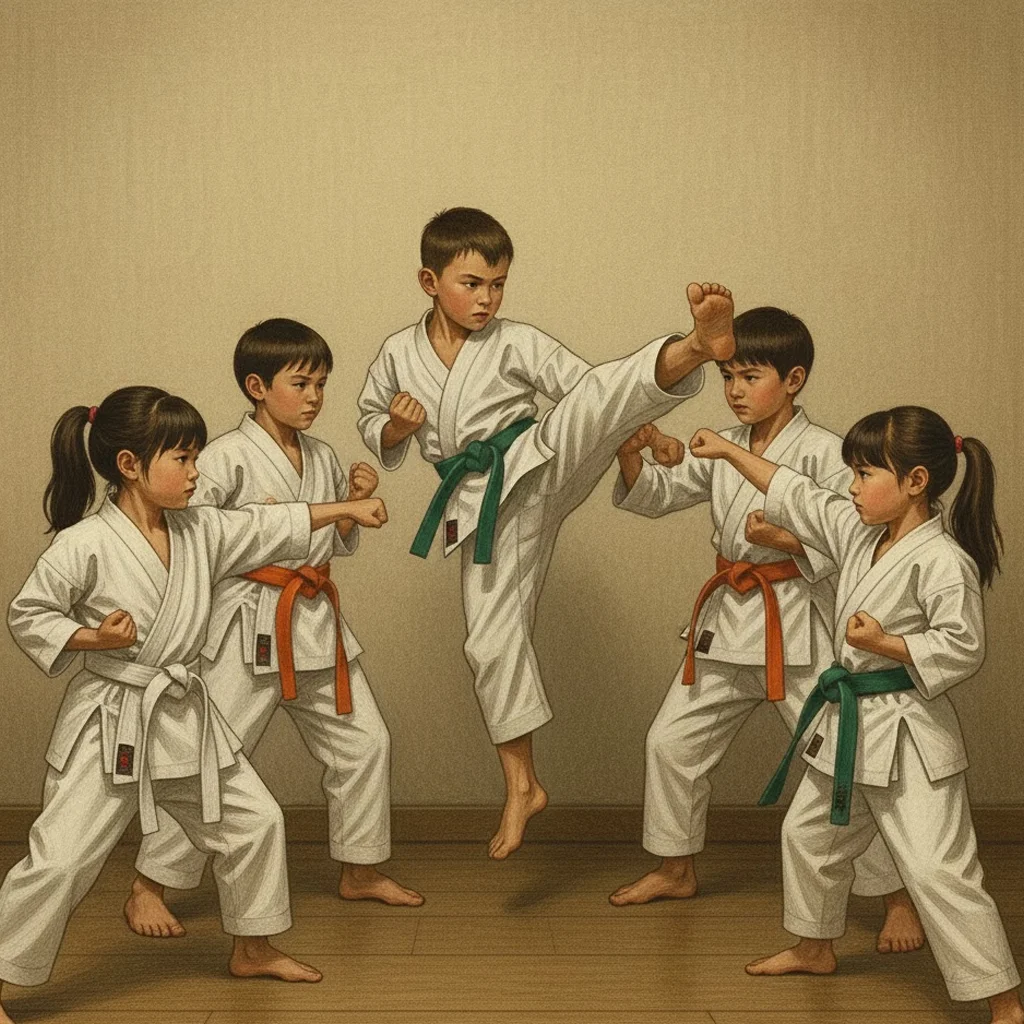
Visit three schools in person. Arrive early. Do you see parents lingering in the waiting area, talking to other parents? That signals community. Do you see phones everywhere (parents scrolling, staff distracted)? That signals deprioritization. Watch how instructors greet students. Do they use names? Make eye contact? Smile? These micro-behaviors predict classroom culture.
Ask for trial classes. Legitimate Victory Karate schools offer 2-3 free lessons. Why? They're confident. Schools that charge for trials or require contracts before exposure aren't confident in the experience. Trial results should inform enrollment decisions. Does your kid ask "can we go back?" If yes, you've found quality. If they're ambivalent, keep searching.
Geography matters less than you think. The best karate school near you might sit 15 minutes away instead of 5. A mediocre school at 5 minutes creates 15-minute daily regret. Distance compounds over 3-5 years. Choose quality location over convenient location. Victory Karate schools in unexpected neighborhoods often outperform prestigious downtown locations because real estate costs don't inflate their tuition.
Self-defense classes and kickboxing classes appeal to different student profiles. Some kids thrive on traditional progression. Others need practical application immediately. Ask if schools offer a menu. Schools that force everyone through identical pathways aren't listening to individual needs.
FAQ: The Questions Parents Actually Ask (But Don't Find Answers For)
A: Per-class pricing attracts inconsistent attendance (bad for learning), while monthly pricing creates commitment and consistent neural pathway development.
A: Usually no—resistance typically fades by week 3 once they experience earned belt progression tied to uniform wearing; the ritual becomes pride instead of barrier.
A: Start at 5 minimum if the program uses age-segmented classes; younger than 5, attention spans and motor skills create frustration rather than learning.
A: Quality schools pause enrollment rather than cancel, allowing return within 12 months; quitting after plateau is common and doesn't indicate failure.
A: No—karate builds discipline and spatial awareness, but doesn't develop team dynamics or explosive lateral movement that competitive team sports provide.
A: Legitimate schools can explain why each movement works (the biomechanics), weak schools focus on form without teaching functional application.