Traditional Conditioning vs Modern Sports Science: What Actually Works in Karate
The old master swings a heavy stone lock in circular patterns. Across town, a sport karateka performs plyometric box jumps monitored by heart rate sensors. Both claim to develop fighting power. Both cite their method as superior. The debate between traditional hojo undo and modern athletic training rarely produces useful conclusions.
This analysis cuts through the rhetoric. We examine what science validates, what tradition got right before science existed, and how intelligent practitioners integrate both approaches. Neither camp holds all answers. The best training draws from both wells.
Understanding the principles behind each approach matters more than choosing sides. Once you grasp why certain methods work, you can design training that serves your specific goals rather than following dogma from either tradition or modernity.
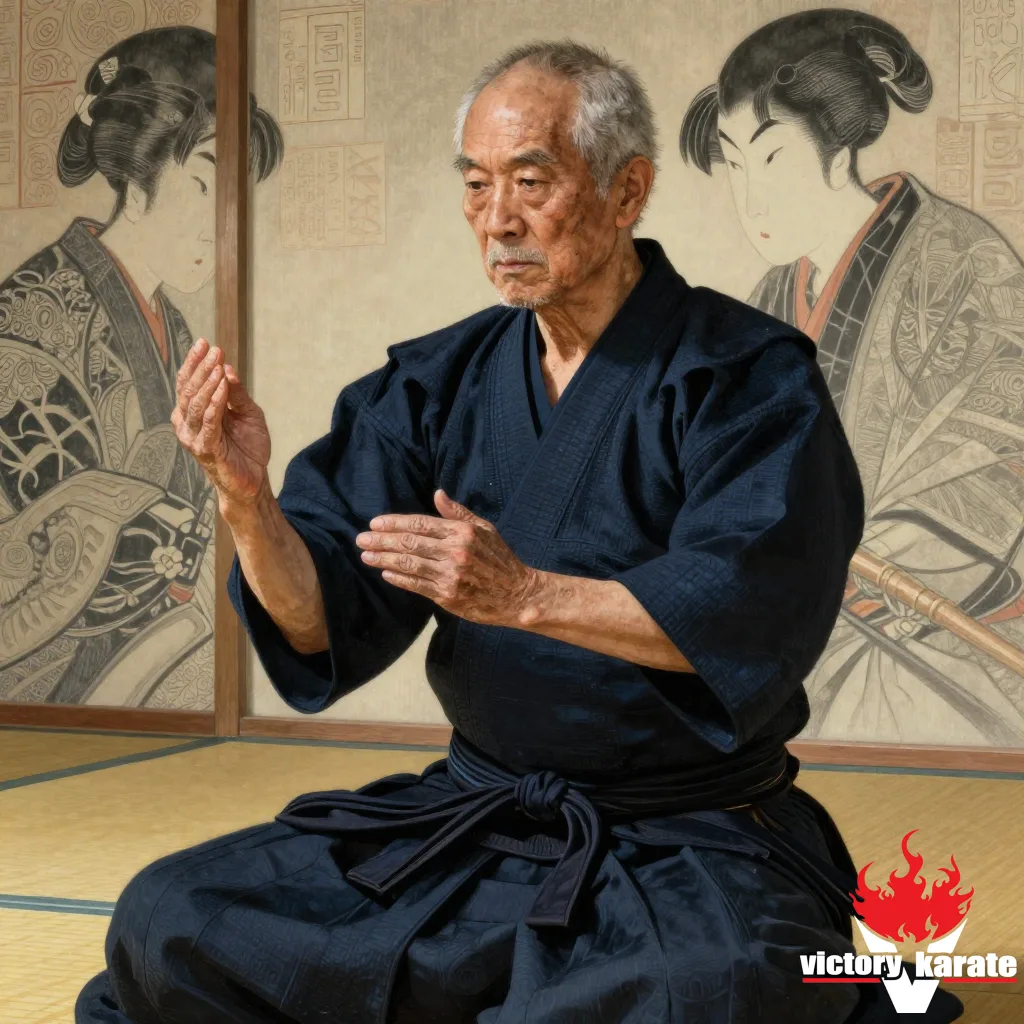
Traditional vs Modern Training Comparison
| Training Aspect | Traditional Approach | Modern Approach |
|---|---|---|
| Strength development | Stone implements, body weight | Periodized weight training |
| Power development | Makiwara, chi-ishi swings | Plyometrics, medicine balls |
| Conditioning | High-rep kata, sanchin testing | HIIT, zone training, metrics |
| Recovery | Rest, herbal remedies, massage | Periodization, nutrition science |
| Progress tracking | Instructor observation | Force plates, video analysis, data |
Traditional Hojo Undo Methods
Okinawan supplementary training developed without scientific theory but with extensive practical refinement. Generations of practitioners discovered what worked through trial and elimination. The survivors of real violence shaped methods that produced fighters capable of protecting themselves.
The chi-ishi (weighted lever) develops grip strength and rotational power simultaneously—exactly the combination that punching requires. The nigiri-game (gripping jars) builds the crushing grip needed for effective grabbing and controlling. The makiwara conditions striking surfaces while providing immediate feedback on technique quality.
These implements share a common characteristic: they train movement patterns specific to karate techniques. Unlike general fitness equipment, traditional tools develop strength through ranges of motion that match actual fighting. The carry-over to technique exceeds what generic training provides.
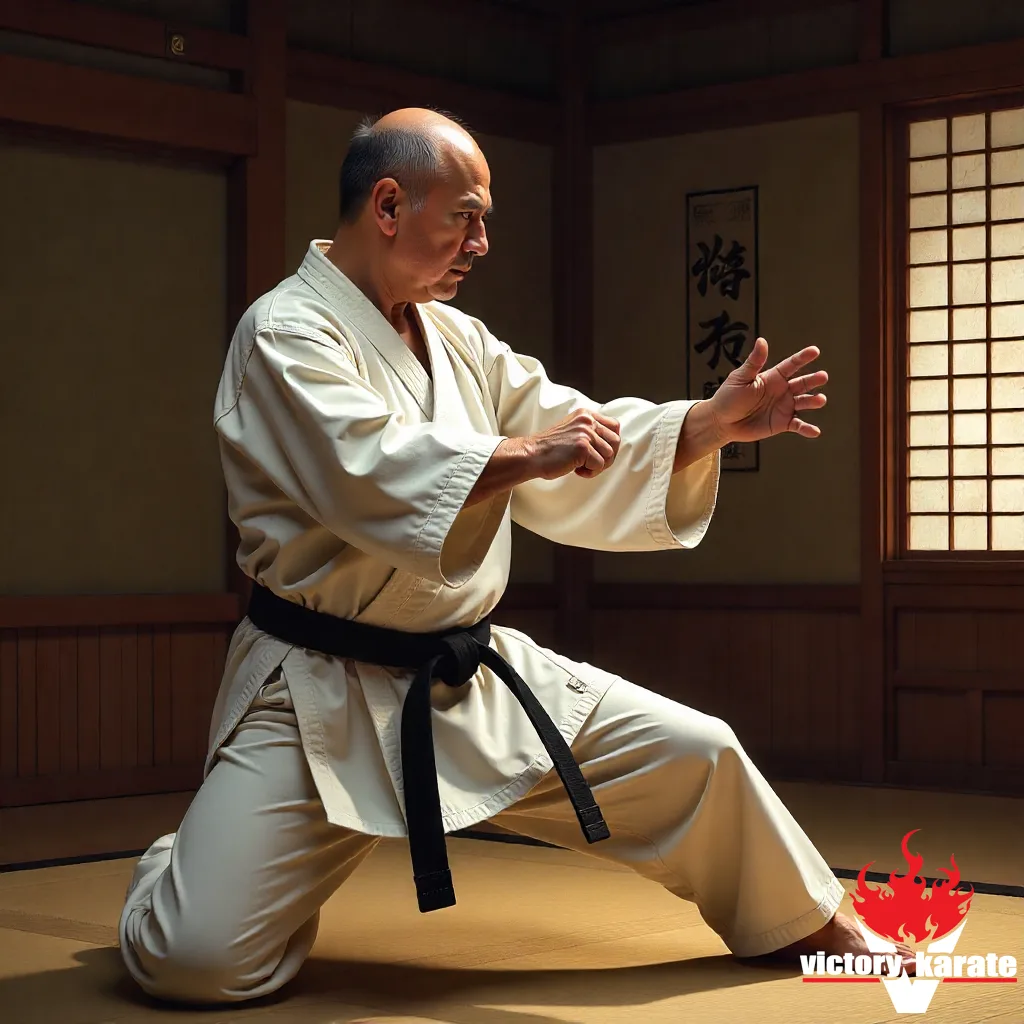
Modern biomechanical analysis confirms what tradition taught. Chi-ishi movements replicate the shoulder and wrist mechanics of uraken and shuto strikes. The stone lock circular swings develop the hip rotation patterns that power gyaku-zuki. Traditional masters understood function without formal science—they trained what worked.
The tan (barbell) and kongoken (heavy iron ring) developed whole-body strength through compound movements. Lifting, pressing, and swinging these implements built integrated strength that isolated machine exercises cannot match. The body learned to coordinate multiple muscle groups simultaneously—exactly what fighting demands.
Training volume in traditional practice typically stayed moderate. Most hojo undo sessions lasted 15-30 minutes rather than hours. This restraint prevented the overuse injuries that modern high-volume training often produces. The Okinawans trained frequently but sensibly—sustainability mattered because karate was a lifelong pursuit.
The Makiwara Debate
Makiwara training divides modern practitioners sharply. Critics cite injury risks—micro-fractures, joint damage, arthritis concerns. Proponents point to conditioned hands capable of striking with full force against hard targets. Both positions contain validity.
Scientific research on impact conditioning remains limited but suggestive. Wolff's Law demonstrates that bone adapts to stress by becoming denser along stress lines. Controlled, progressive impact stress can increase bone density and connective tissue resilience. The key word is "controlled"—excessive force or volume causes damage that adaptation cannot match.
Traditional makiwara practice emphasized quality over quantity. A few dozen focused strikes per day—not hundreds of careless repetitions. The board's flexibility taught proper kime timing: the post springs back when struck correctly but jars the wrist when technique fails. This feedback mechanism develops skills that bags and pads cannot provide.
Modern Sports Science Contributions
Sports science brought systematic understanding to athletic development. Periodization—structuring training into phases with different emphases—prevents the overtraining and stagnation that plague intuitive approaches. Nutritional science optimizes fuel for performance and recovery. Biomechanical analysis identifies inefficiencies invisible to casual observation.
The strength-power distinction represents perhaps the most valuable modern contribution. Maximum strength (how much force you can produce slowly) differs from power (how quickly you can produce force). Karate requires power—fast force production. Training for maximum strength alone can actually reduce striking speed by building slow-twitch muscle at the expense of fast-twitch fibers.
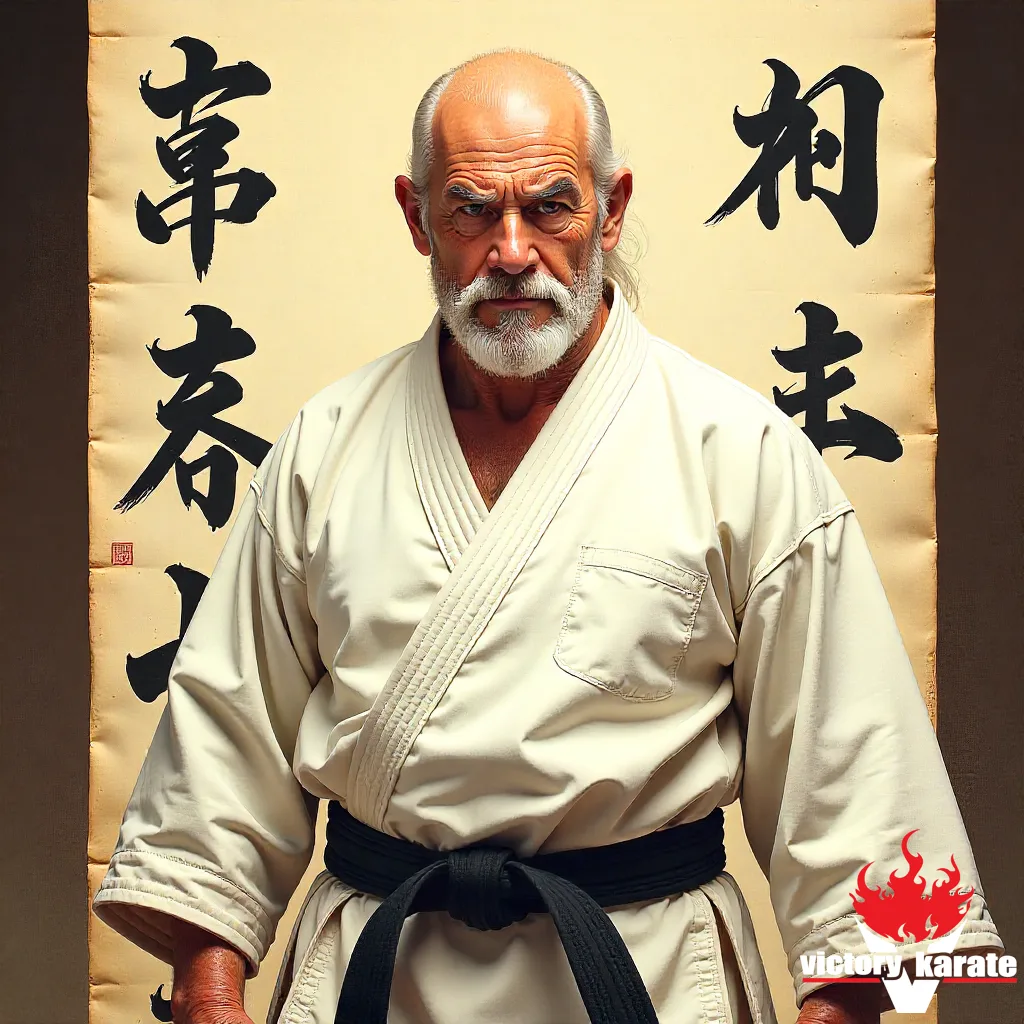
Plyometric training develops the stretch-shortening cycle that underlies explosive movement. When muscles stretch under load then immediately contract, they produce more force than concentric-only contractions. Box jumps, medicine ball throws, and depth jumps train this mechanism. The application to karate is direct: every powerful technique involves rapid muscle stretching followed by explosive contraction.
Velocity-based training represents another modern advancement. Rather than prescribing weight amounts, coaches monitor barbell speed during lifts. When velocity drops below target thresholds, the set ends. This approach prevents the fatigue-induced slow repetitions that train muscles for the wrong kind of movement—slow force production rather than explosive power.
Heart rate zone training optimizes cardiovascular development with precision tradition couldn't achieve. Different intensity zones produce different adaptations: low zones build aerobic base, high zones develop lactate threshold, maximum zones extend anaerobic capacity. Strategic manipulation of training zones across a periodized plan produces superior conditioning compared to intuitive effort modulation.
Key sports science principles for karate:
- Specificity—training adaptations match the demands placed on the body, so exercises should mimic fighting movements
- Progressive overload—gradual increases in training stress prevent injury while driving adaptation
- Recovery as training—adaptation occurs during rest, not during workouts, making recovery management essential
- Individual variation—optimal training differs between individuals based on genetics, age, and training history
Where Tradition Got It Right
Traditional methods anticipated sports science principles through empirical discovery. High-repetition kata practice developed aerobic capacity and muscular endurance. Sanchin training built isometric core strength while teaching breath control under tension. Deep stances developed leg strength through sustained loading. The Okinawans didn't know the science, but they found methods that work.
The integration of conditioning with technique practice represents traditional wisdom that modern training often misses. Hojo undo implements develop strength through karate-specific movement patterns. This specificity creates direct transfer to fighting ability. Gym-based training requires additional translation work to apply gains to techniques.
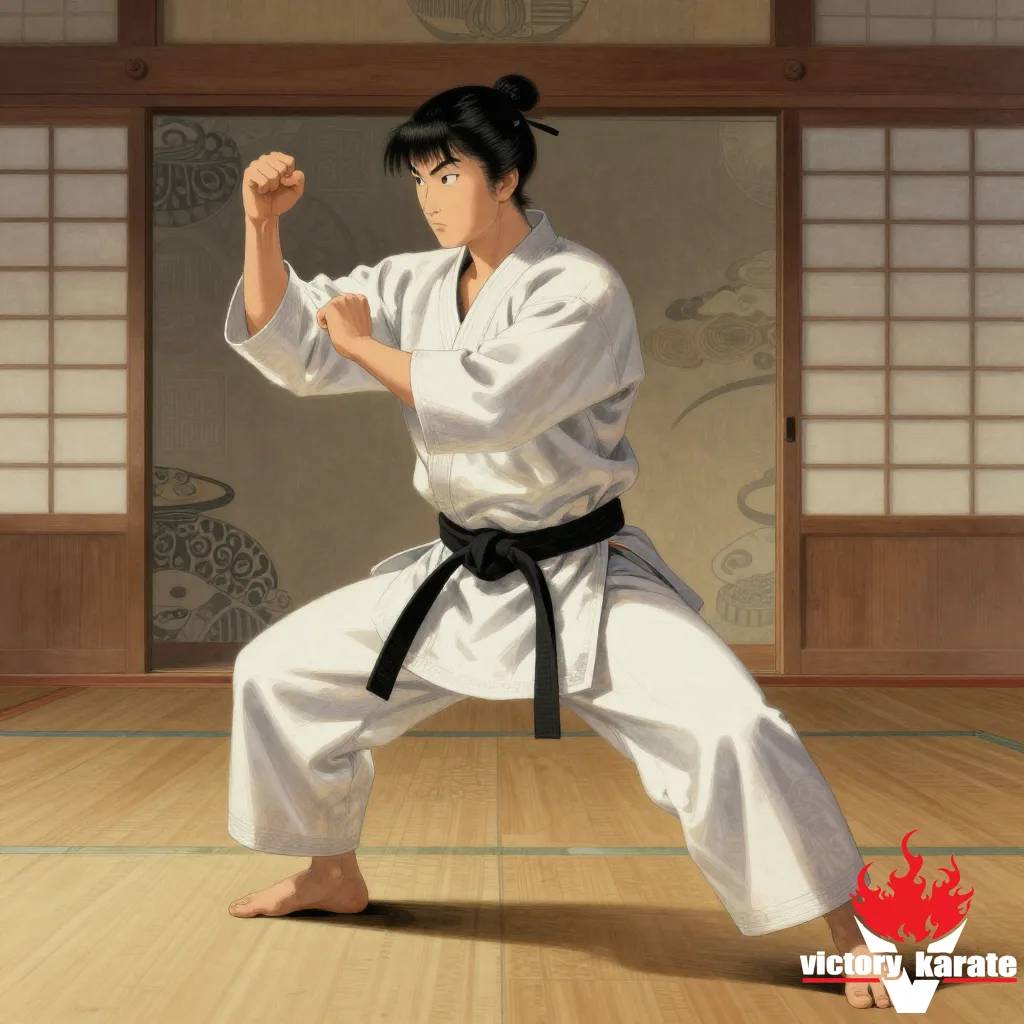
Mental conditioning accompanied physical training in traditional practice. Enduring discomfort, maintaining focus through fatigue, pushing past perceived limits—these psychological skills developed automatically through demanding training methods. Modern fitness approaches often prioritize comfort and enjoyment, potentially neglecting mental toughness development that combat requires.
The gradual progression built into traditional training prevented the overuse injuries that plague modern athletes. Students spent years on basics before advancing, developing tissue resilience alongside technique. Modern impatience—advanced techniques before foundations solidify—contributes to injury rates that traditional training largely avoided.
The Kata Conditioning Effect
Repeated kata practice serves conditioning functions that practitioners often overlook. A single performance of Tekki Shodan places significant isometric demands on the legs. Multiply by twenty repetitions and the training effect becomes substantial. The same movements that teach technique simultaneously build the strength to execute that technique.
Heart rate monitoring during intensive kata training reveals aerobic and anaerobic demands comparable to interval training protocols. The combination of bursts of maximum effort with brief transitions mirrors high-intensity interval training formats that sports science validates for cardiovascular development.
The breathing patterns encoded in kata also serve conditioning purposes. Ibuki breathing in Sanchin creates intra-abdominal pressure that stabilizes the core while stressing respiratory muscles. This controlled breathing under physical demand builds capacity that carries over to combat situations where breathing remains critical for sustained performance.
Where Modern Science Excels
Modern approaches excel at preventing and managing injury. Understanding of tissue mechanics, recovery timelines, and training loads allows systematic management of physical stress. Traditional "train through pain" mentality caused needless damage that science now helps avoid.
Nutritional science provides tools for optimizing performance that tradition couldn't access. Timing carbohydrate intake around training sessions, adequate protein for muscle repair, hydration strategies for sustained effort—these evidence-based practices enhance training adaptation beyond what intuitive eating provides.
Sleep science reveals recovery mechanisms that traditional practice undervalued. Growth hormone release peaks during deep sleep. Muscle protein synthesis accelerates during rest. Nervous system recovery requires adequate sleep duration and quality. Modern understanding elevates sleep from passive downtime to active recovery intervention.
Mobility and flexibility research distinguishes between flexibility (passive range of motion) and mobility (active control through range). Static stretching before training may reduce power output. Dynamic warm-ups prepare the body more effectively. Post-training stretching supports recovery without compromising performance.
Evidence-Based Training Recommendations
| Goal | Traditional Method | Modern Enhancement |
|---|---|---|
| Punching power | Makiwara, chi-ishi | Add rotational med ball throws |
| Kicking speed | Repetition training | Add resistance band kicks |
| Stance stability | Extended stance holds | Add unilateral strength work |
| Fight endurance | Multiple kata rounds | Add sport-specific HIIT |
| Hand conditioning | Progressive makiwara | Monitor volume, ensure recovery |
Objective measurement replaces guesswork in modern training. Force plates quantify striking power. Video analysis reveals technical flaws. Heart rate variability indicates recovery status. These tools enable precise training adjustments that subjective assessment cannot achieve.
The Periodization Advantage
Periodization structures training into phases that build upon each other systematically. A general preparation phase builds base fitness. A specific preparation phase applies that fitness to karate movements. A competition phase peaks performance for important events. A recovery phase prevents burnout and prepares for the next cycle.
Traditional training often lacked this structure, maintaining similar intensity year-round. This approach leads to plateaus and overtraining. The body adapts to consistent stimulus and stops improving. Periodized variation continues driving adaptation throughout a training career.
Deload weeks—planned reductions in training volume—allow accumulated fatigue to dissipate while maintaining fitness. Traditional practice sometimes achieved similar effects through festival periods or seasonal variations, but systematic deloading produces more reliable recovery. Ignoring recovery needs eventually produces breakdown regardless of mental toughness.
Integrating Both Approaches
The false choice between tradition and modernity limits practitioners who accept it. Intelligent integration preserves traditional strengths while incorporating modern insights. This synthesis produces better fighters than either approach alone.
Practical integration recommendations:
- Maintain hojo undo practice for karate-specific strength while adding periodized gym work for base strength development
- Use traditional makiwara with modern volume management—fewer quality repetitions with adequate recovery between sessions
- Supplement kata conditioning with sport-specific interval training that matches competition demands
- Apply nutritional science principles while respecting traditional emphasis on discipline and simplicity
The goal isn't preserving tradition for its own sake or embracing novelty because it's new. The goal is developing the best possible karate through whatever methods prove effective. Both camps contain wisdom worth extracting. Neither deserves uncritical allegiance.
Age and training stage influence optimal balance. Younger competitors may benefit from aggressive modern protocols their bodies can recover from. Older practitioners may find traditional methods' gradual progression better suited to aging physiology. Individual experimentation reveals what works for each person.
Competition goals shape training priorities. Athletes peaking for specific tournaments require periodized approaches that traditional constant-effort training cannot provide. Recreational practitioners seeking lifelong practice may find traditional sustainability more appropriate. There is no universal answer—context determines optimal strategy.
The Okinawan masters who developed traditional methods sought maximum fighting effectiveness with available knowledge. Modern sports scientists seek the same goal with expanded understanding. The quest continues. The best practitioners of any era use every tool available to become better fighters.
Ultimately, conditioning exists to serve karate, not the reverse. The strongest athlete without technique loses to the skilled fighter with adequate conditioning. Training methods—traditional or modern—remain means rather than ends. Keeping this perspective prevents conditioning obsession from displacing the technical and tactical development that determine fighting success.
Frequently Asked Questions
Gym training builds general strength that must be converted to karate-specific power through technique practice and sport-specific exercises.
Makiwara develops unique feedback and conditioning that alternatives don't fully replicate, though heavy bag work provides partial substitution.
Two to three sessions weekly with moderate volume allows adaptation while preventing overuse—quality matters more than frequency.
Elite competitors benefit from integrating both approaches, using modern periodization frameworks while maintaining sport-specific traditional exercises.
Neglecting recovery leads to overtraining that undermines rather than builds performance—more isn't always better regardless of method.
Recovery capacity declines after 35-40, requiring adjusted volume and increased rest periods while maintaining training quality.