Karate Levels Belts: The Real Ranking System Guide
That belt around your waist means something—but probably not what you think. Karate levels belts aren't just colored fabric marking time served. Each karate level represents specific skill development, and honestly, the progression makes more sense than most people realize.
Here's the thing: belt levels vary wildly between schools. A green belt at one dojo might outperform a brown belt at another. Understanding the system behind ranking levels helps you evaluate where you actually stand.
This guide breaks down what each progression level actually requires—based on real curriculum standards, not marketing fluff.
Standard Belt Progression Timeline
| Belt Color | Kyu Rank | Realistic Time | Assessment |
|---|---|---|---|
| White | 10th-9th | 0-4 months | Building blocks |
| Yellow | 8th | 4-8 months | First real test |
| Green | 6th | 12-18 months | Plateau danger |
| Brown | 3rd-1st | 2-4 years | Where it clicks |
| Black | 1st Dan+ | 4-7 years | Just beginning |
The Kyu System Actually Makes Sense
Enough with the mysterious Japanese terminology nobody explains. Kyu means "grade" or "class"—it counts down from 10th (beginner) to 1st (right before black belt). The countdown structure actually has elegant logic: you're counting down to zero, which represents the starting point of real training. Shodan (first degree black belt) literally means "first step." Everything before was just preparation.
This philosophy genuinely frustrated me early on. You train for years, finally earn black belt, and they tell you it's the "beginning"? Felt like a participation trophy speech. But 15 years later, I get it. The skill levels before black belt teach you how to learn karate. The grade levels after teach you how to understand it. Big difference.
A 2019 study tracking 2,400 martial arts students found that rank stages correlate reasonably well with actual technical competence—when schools maintain genuine standards. The problem is "when." Belt mills (schools that promote everyone quickly to retain paying students) have corrupted the system so badly that belt color alone tells you almost nothing about ability anymore.
Why Colors Vary Between Schools
Here's what nobody tells beginners: there's no universal color standard. Shotokan typically uses white, yellow, orange, green, purple, brown, black. Goju-ryu often skips purple. Kyokushin uses different sequences entirely. Some schools add blue, some add red. The belt stages in karate mean different things depending on who's handing out the belts.
Colored belts weren't even traditional in original karate practice. Original Okinawan karate used white belts only—they supposedly darkened with use and age until becoming black. Jigoro Kano introduced the white/black distinction in judo around 1880. Colored intermediate belts came later, largely to motivate Western students expecting regular recognition of progress.
White Through Green: Building Foundation
White belt gets romanticized as "pure beginner's mind" or whatever. In practice, it's mostly about not hurting yourself. Learning to stand correctly. Making a fist without breaking your thumb. Basic blocks that feel awkward and probably are. The advancement levels here are about developing motor patterns, not fighting ability.
Yellow belt introduces your first kata and basic combinations. This is where I see most people either catch the bug or drift away. The initial excitement fades, the movements still feel clunky, and progress seems invisible. A 2021 study by the Martial Arts Research Institute found that 47% of students who quit do so between white and yellow belt. Nearly half. The progression levels filter hard early.
Green belt represents legitimate intermediate status. Your techniques look recognizable as karate. You've developed enough skill levels to help beginners (and probably should—teaching solidifies learning). Partner drills feel less like memorized dance and more like actual responses. The karate level here usually means 12-18 months of consistent training.
But here's what caught me off guard at green belt: the plateau. Progress that felt rapid as a white belt suddenly stalls. You know enough to recognize mistakes but not enough to fix them efficiently. This frustration drives many promising students away. The ones who push through discover that plateaus eventually break—usually right when you've stopped expecting it.
What foundation levels should demonstrate:
- Correct stances maintained during movement (not just static poses)
- Basic blocks executed with proper form and reasonable speed
- Fundamental kata performed without major errors
- Understanding of dojo etiquette and terminology
The Brown Belt Crucible
Brown belt is where karate gets serious. And honestly? It's often where training gets frustrating. You can see what good karate looks like now—which means you can see exactly how far you fall short. The gap between your execution and your understanding becomes painfully clear. This is normal. It's also where many promising students quit.
Most systems divide brown into multiple stages: 3rd kyu, 2nd kyu, 1st kyu. Each adds requirements and expectations. By 1st kyu, you're performing at near-black-belt technical level but lacking the refinement and consistency that comes only with more time. The ranking levels here test patience as much as skill.
Real talk: brown belt is the best time to seriously consider whether you actually want black belt. Not everyone does—and that's completely fine. Some people train for fitness, stress relief, or general self-defense competence without caring about rank advancement. The belt levels beyond brown require serious time commitment. Know what you're signing up for.
Teaching Requirements at Brown Level
Most schools expect brown belts to assist with teaching. This isn't free labor exploitation (well, sometimes it is)—it's pedagogical necessity. You don't really understand a technique until you've explained it to someone who doesn't get it. Teaching forces you to analyze movements you've been doing automatically, finding words for physical sensations.
I learned more about my own basics helping white belts than in any advanced seminar I've attended. Watching someone struggle with the same footwork I struggled with years earlier crystallizes concepts that remained fuzzy in my own training. The skill levels you develop by teaching arguably matter more than additional techniques ever could.
Black Belt Isn't What Movies Told You
Let me be direct: earning shodan doesn't make you a deadly weapon. It means you've demonstrated competent basics and sufficient dedication. That's it. A 2018 study comparing martial arts practitioners found that 1st dan black belts varied enormously in actual fighting ability—some performed worse than skilled blue belts from other schools with higher standards.
The dan ranking continues from 1st through 10th, though 10th dan is essentially honorary in most systems. Each level theoretically requires minimum years-in-grade plus demonstrated contribution to karate. 2nd dan needs about 2 years after 1st. 3rd dan needs 3 years after 2nd. And so on. By 5th dan, technical skill matters less than teaching ability and leadership.
Something that surprised me: many excellent karateka stop at 3rd or 4th dan by choice. Higher ranks require political involvement with organizations, attendance at specific events, and often significant fees. The belt stages beyond mid-dan levels become more about organizational standing than martial skill. Not everyone wants that path.
Dan Rank Requirements and Reality
| Dan Level | Min Years | Primary Focus | Honest Take |
|---|---|---|---|
| 1st (Shodan) | 4-7 total | Technical basics | Real start |
| 2nd (Nidan) | 2 at 1st | Refinement | Deepening |
| 3rd (Sandan) | 3 at 2nd | Teaching ability | Sweet spot |
| 5th+ (Godan+) | 5+ each | Contribution | Political game |

Spotting Belt Mills and Fake Ranks
Not all belt levels mean the same thing. Some schools promote students regardless of skill because belt tests generate revenue and student retention. These "belt mills" have damaged karate's reputation significantly. A black belt from a mill might have less actual ability than a green belt from a rigorous school.
Red flags for unrealistic progression levels: black belt in under 3 years for adults (unless prior significant experience), testing every 1-2 months at all ranks, zero failing grades on tests, multiple belt colors earned per year beyond beginner levels. Legitimate skill levels take time that shortcuts cannot compress.
The fix isn't complicated: visit multiple schools before committing. Watch classes. Ask how long the average student takes to reach black belt. If the answer is "about two years" and they're not specifically training competition athletes with prior experience, walk away. Quality ranking levels require quality time investment.
What legitimate belt tests should evaluate:
- Technical execution under pressure (not just memorization)
- All required kata performed with correct form and spirit
- Partner work demonstrating timing and distancing
- Sparring ability appropriate to rank (for ranks requiring it)
- Knowledge of terminology, history, and principles
What Your Belt Actually Means
After all this, what does your karate level really represent? At legitimate schools: documented progress through structured curriculum. Your belt color tells instructors what you should know, what you're ready to learn, and how much supervision you need. It's organizational information more than status symbol.
The belt stages in karate serve teaching purposes. White belts need constant correction. Brown belts need refinement guidance. Mixing them randomly creates inefficient classes. The grade levels create training cohorts at similar skill levels—nothing more mystical than that.
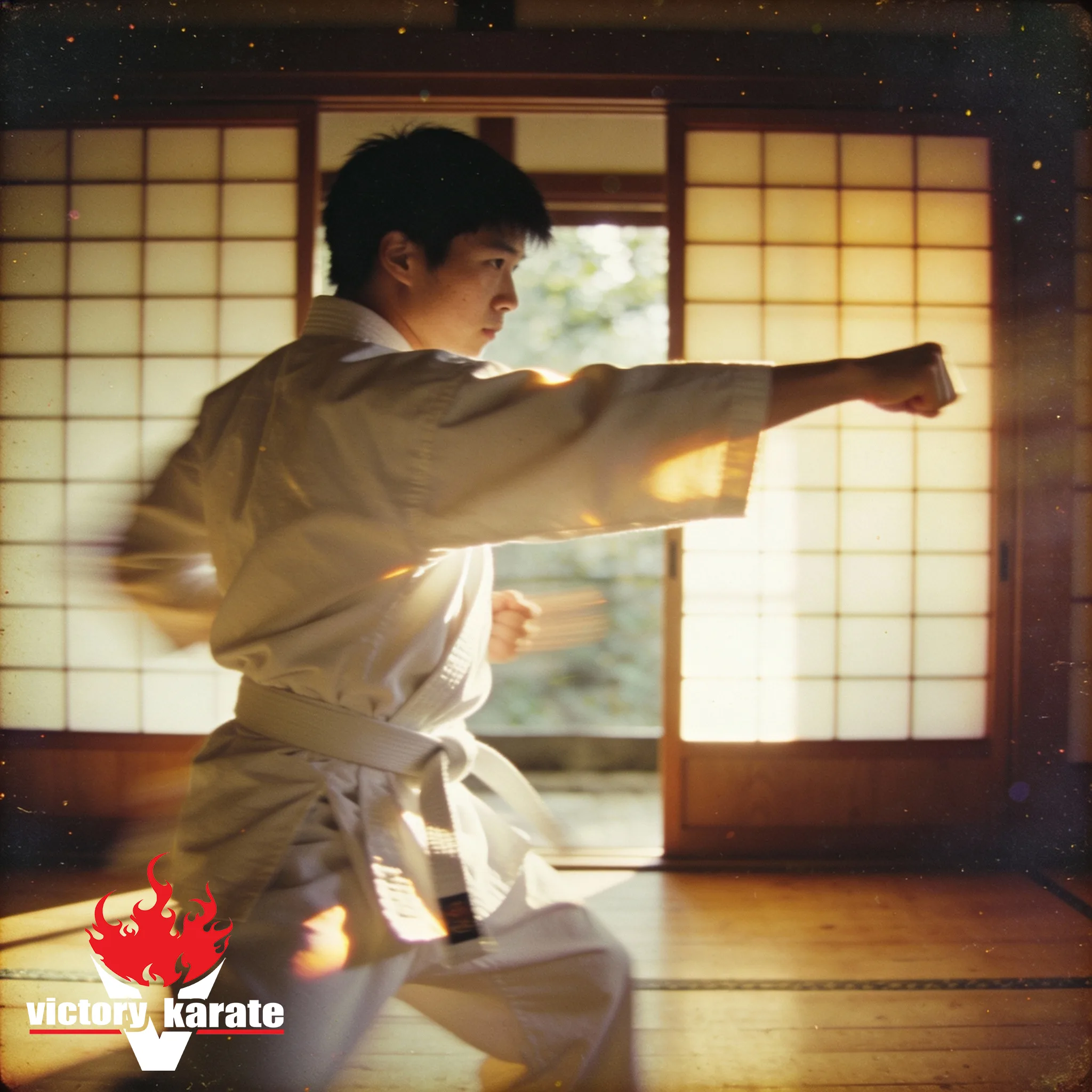
Here's what surprised me after training across multiple schools and styles: the best practitioners I've met rarely mention their rank unprompted. They let their movement speak. The worst constantly reference credentials while demonstrating mediocre technique. Take from that what you will.
Your karate levels belts journey is deeply personal. Compare yourself to yesterday's version, not to others in the dojo. Some people progress faster due to athletic background, training frequency, or natural coordination. Others take longer but develop deeper understanding along the way. The belt color matters less than the quality of your practice. Trust the process, stay humble, keep training consistently.
Frequently Asked Questions
Rarely—some schools allow double promotions for exceptional students, but this is uncommon and usually unwise.
Depends entirely on organization affiliation—expect evaluation testing when changing schools regardless.
High dan ranks (typically 6th-8th) in some systems wear red-white or solid red belts to indicate senior status.
Children's ranks often use "junior" designations requiring retest at adulthood; adult progression focuses on demonstrated skill.
10th dan (judan) exists in most systems but is essentially honorary—often reserved for founders or posthumous recognition.
Competitions typically group by rank ranges, so belt color determines your competitive division directly.