How Much Are Karate Classes? Complete Cost Guide 2024
Understanding karate classes cost helps families and individuals plan effectively for martial arts training. The karate lessons price varies significantly based on location, school type, and program structure. Monthly tuition at most dojos ranges from $75 to $200, though premium schools in major cities may charge considerably more for their services.
Beyond monthly tuition, martial arts fees include registration costs, uniform expenses, belt testing fees, and equipment purchases throughout your training. Creating a realistic karate budget requires accounting for all these elements. Understanding the full cost picture helps avoid surprises and enables better financial planning.
This comprehensive guide examines karate pricing structures, compares kids classes versus adult karate costs, and identifies opportunities for affordable training programs. Whether seeking beginner classes or advanced programs, understanding pricing dynamics helps you find quality instruction within your budget constraints.
Typical Karate Training Costs
| Cost Category | Low Range | High Range |
|---|---|---|
| Monthly tuition | $75 | $250+ |
| Registration fee | $25 | $150 |
| Uniform cost | $30 | $100 |
| Belt testing fees | $25 | $100 |
| Sparring gear | $50 | $200 |
Understanding Monthly Tuition Structures
Monthly tuition represents the primary ongoing expense for karate training at any level. Most dojos charge between $100 and $175 per month for standard group training programs. This dojo membership typically includes a set number of classes per week, access to open practice times, and participation in school events.
Pricing tiers often correspond to class frequency. Basic memberships might include two classes weekly, while unlimited packages allow daily attendance. Some schools offer family discounts—second children often receive 25-50% reductions. These variations make comparing schools' actual value more complex than simply comparing monthly rates.
Geographic location significantly impacts pricing. Urban dojos in cities like New York, Los Angeles, or Chicago typically charge premium rates. Suburban and rural schools often cost considerably less while providing equivalent instruction quality. Real estate costs, local wage expectations, and competition between schools all influence regional pricing.
Contract structures vary between schools. Month-to-month arrangements offer flexibility but typically cost more per month. Annual contracts may reduce monthly rates by 10-20% but require longer commitment. Understanding contract terms prevents unexpected charges when circumstances change.
Some schools use tiered membership levels with varying access and benefits. Basic memberships might restrict class times or types, while premium tiers offer unlimited access, priority registration for events, and equipment discounts. Evaluating which tier matches your training goals helps optimize spending without paying for unused benefits.
Kids Classes Pricing Considerations
Kids classes typically cost the same or slightly less than adult karate programs. However, additional expenses often arise—children outgrow uniforms faster, after-school programs may carry premium pricing, and summer camps add seasonal costs. Planning for these child-specific expenses creates more accurate budget projections.
Many schools offer age-specific programs—"Little Dragons" for ages 4-6, youth programs for 7-12, and teen classes for adolescents. Each age group may have different pricing structures. Some parents find value in these specialized classes while others prefer schools that integrate ages for natural mentorship opportunities.
After-school programs combining pickup service, homework time, and karate instruction command premium prices—often $300-500 monthly. These comprehensive childcare solutions provide value beyond pure martial arts instruction but require careful evaluation against alternatives.
Registration and Startup Costs
The registration fee charged when joining represents a one-time expense ranging from $25 to $150. Some schools waive this fee during promotional periods or for returning students. This administrative charge covers enrollment processing, initial materials, and database entry but varies significantly between programs.
Uniform cost adds to initial expenses. Basic student gis range from $30 to $60, while quality training uniforms cost $60 to $100. Some schools require purchasing uniforms through them (often at markup), while others allow students to source their own. Confirming uniform policies before signing helps avoid unexpected expenses.
Schools using contracts may require first and last month's payment upfront. This security deposit protects the school against early termination but increases initial cash outlay significantly. Understanding exactly what's due at signup prevents enrollment day surprises and allows proper financial preparation.
Understanding Belt Testing Fees
Belt testing fees represent recurring expenses as students progress through ranks. These charges cover examination administration, certificates, and the new belt itself. Costs typically range from $25 for lower ranks to $100 or more for advanced testing. Black belt examinations may cost several hundred dollars.

Testing frequency varies by school philosophy. Some programs test every two months, accumulating significant annual testing expenses. Others test quarterly or as students demonstrate readiness. Rapid testing generates more fees but doesn't necessarily indicate faster skill development.
Some schools include belt testing fees in monthly tuition, eliminating separate charges when students advance. This inclusive pricing simplifies budgeting but may result in higher base tuition. Comparing total annual costs between inclusive and fee-per-test models reveals which approach suits your financial planning preferences.
Red flags regarding testing fees:
- Mandatory testing on strict schedules regardless of student readiness
- Testing fees that escalate dramatically at higher ranks
- Additional "required" preparatory courses before each test
- Pressure to test before skills warrant advancement
Annual Cost Estimates by School Type
| School Type | First Year Total | Ongoing Annual |
|---|---|---|
| Budget or Community | $800-1,200 | $600-1,000 |
| Standard commercial | $1,500-2,500 | $1,200-2,000 |
| Premium urban | $3,000-5,000 | $2,500-4,000 |
Private Lessons and Additional Programs
Private lessons offer personalized instruction but significantly increase training costs. Rates typically range from $50 to $150 per hour depending on instructor credentials and location. Some students supplement group training with occasional private lessons for specific skill development. Regular private instruction substantially multiplies annual expenses.
Seminars, camps, and special events add optional expenses throughout the year. Guest instructor seminars might cost $50-100 per day. Summer camps range from $200-500 per week. Competition fees, travel costs, and tournament equipment create additional expenses for competitively-focused students.
Group training provides excellent instruction for most students. Private lessons become valuable for competition preparation, addressing specific technical issues, or accommodating scheduling constraints. Most practitioners progress well through group classes alone without requiring private lessons.
Finding Affordable Training Options
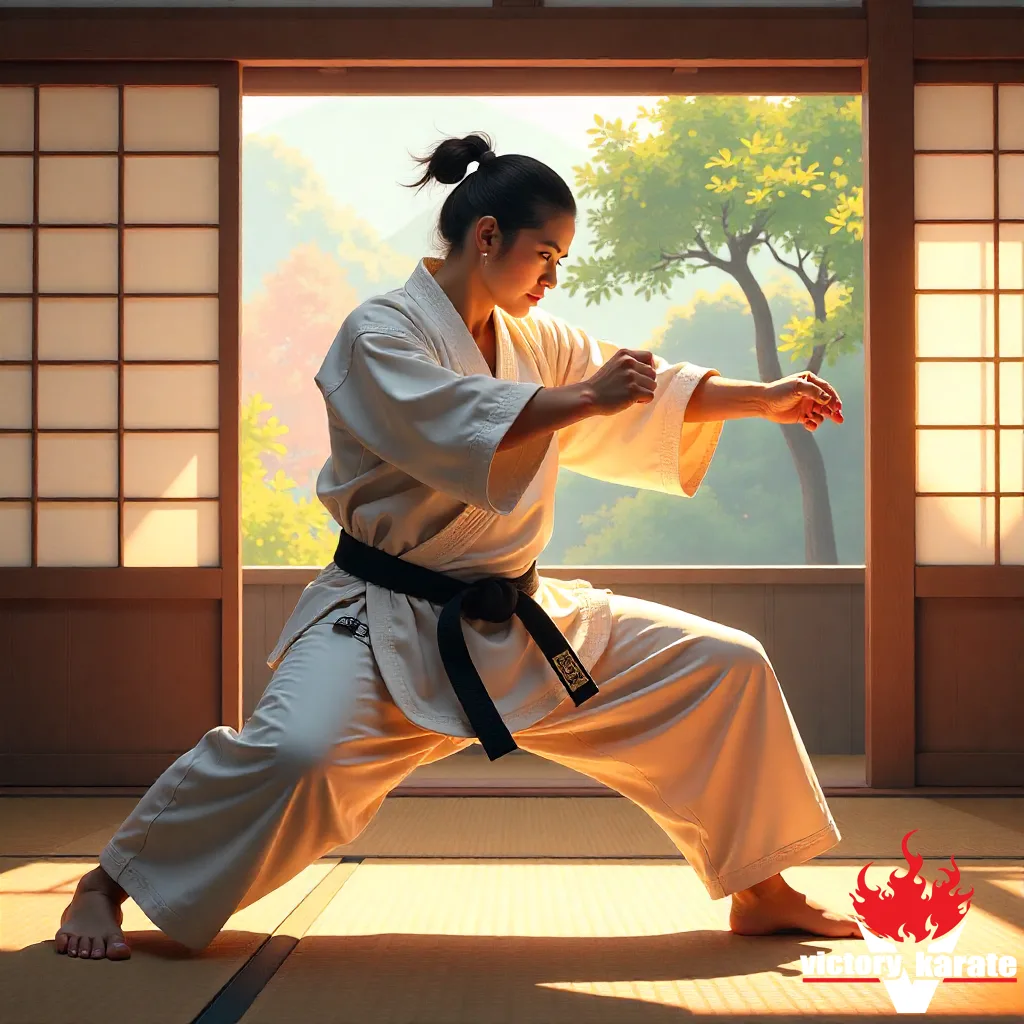
Affordable training exists for budget-conscious practitioners willing to research options thoroughly. Community recreation centers often host karate programs at subsidized rates—sometimes under $50 monthly. University clubs provide low-cost training for students and sometimes community members. YMCA and similar organizations include martial arts in membership fees, offering excellent value.
Strategies for reducing karate costs:
- Research community center programs offering below-market rates
- Ask about family discounts when enrolling multiple members
- Consider annual payment options with discounted rates
- Purchase uniforms independently rather than through the school
- Look for scholarship programs or work-study arrangements
Evaluating Value Beyond Price
The cheapest option rarely represents the best value in martial arts training experiences. Instructor qualifications, class sizes, facility quality, and curriculum structure all affect what students actually receive. A $200 monthly program with small classes, experienced instructors, and quality facilities may deliver substantially better value than a $100 program with overcrowded classes and inexperienced teachers.
Trial classes help evaluate schools before making any financial commitment. Most dojos offer free or low-cost introductory sessions for prospective students. Use these opportunities to assess instruction quality, observe student engagement, and evaluate facility cleanliness thoroughly. Multiple trial visits across different schools enable informed comparison.
Long-term value matters more than initial costs for serious practitioners. A school that develops genuine skill over years provides better return than cheaper programs producing questionable rank advancement. Investigate instructor credentials, competitive records, and student retention rates when thoroughly evaluating programs.
Your karate budget should balance affordability with quality instruction. The martial arts fees investment produces valuable returns—physical fitness, self-defense capability, discipline, and confidence—when training occurs at reputable schools with qualified instructors. Choosing purely on price risks wasting money on ineffective programs.
Frequently Asked Questions
Most dojos charge between $100-175 monthly for standard group classes, though prices vary significantly by location and program type.
Quality instruction provides valuable physical fitness, self-defense skills, and personal development—proper school selection ensures good return on investment.
Testing fees cover examination administration, certificates, new belts, and often examiner compensation—typical costs range $25-100 per test.
Community centers, YMCAs, university clubs, and recreation department programs typically offer below-market rates for quality instruction.
Some schools offer scholarship programs, work-study arrangements, or sliding scale pricing—ask directly about financial assistance options.
Watch for mandatory testing schedules, equipment requirements, tournament fees, and contract cancellation penalties when evaluating total costs.