Karate Matches: Competition Rules and Tactics
Your first tournament match feels like stepping into another dimension completely. Everything you trained suddenly operates under pressure you've never experienced in the dojo before. The crowd noise, the referee's commands, your opponent who actually wants to win—karate matches test preparation in ways that regular training simply cannot replicate no matter how intense your sparring sessions.
Here's the thing about competition: competition bouts reward different skills than casual sparring sessions. Understanding match rules, bout structure, and tournament strategy separates consistent winners from talented athletes who consistently underperform when it counts most.
This guide covers what actually happens in kumite matches—from scoring systems to tactical approaches that work under real competition pressure.
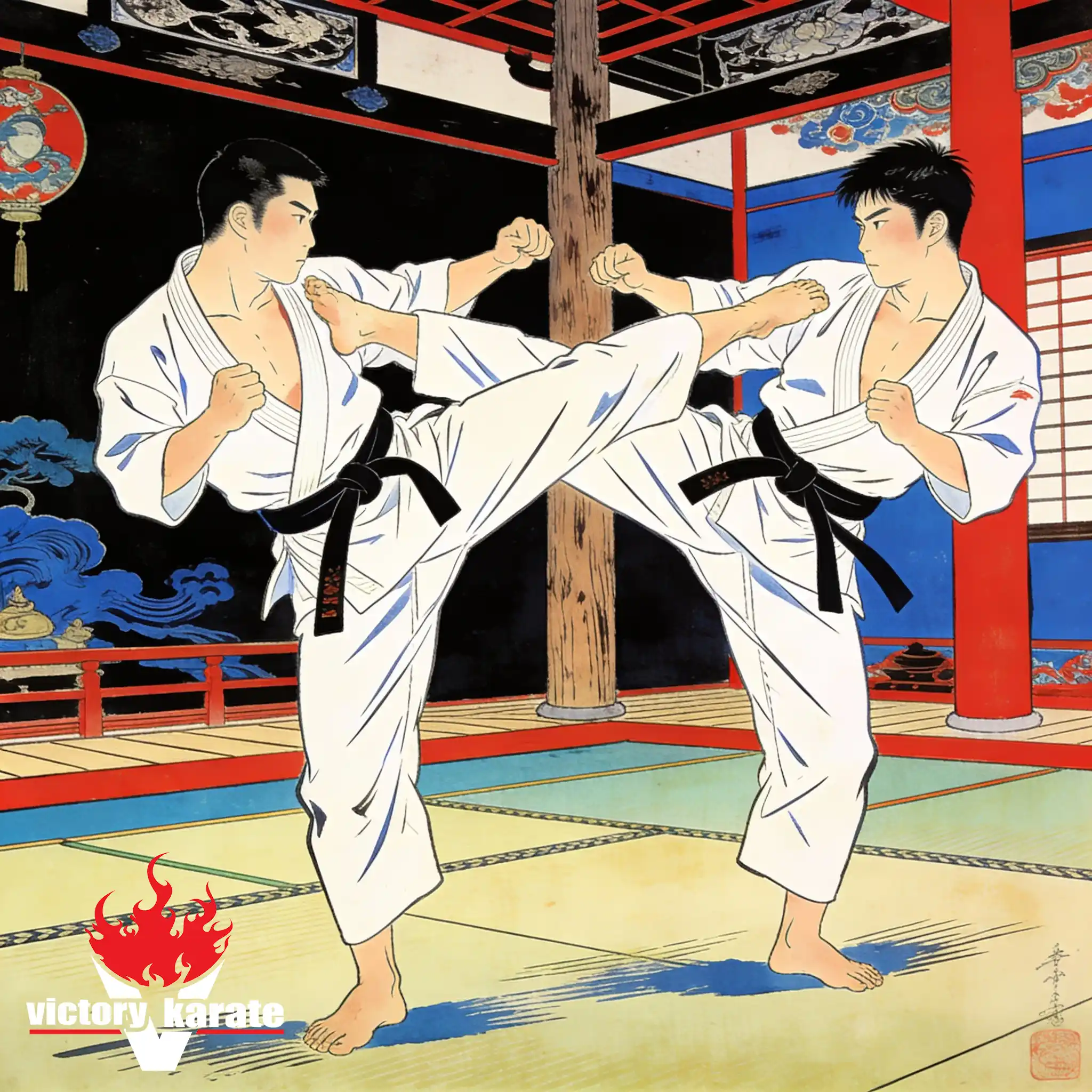
Tournament Match Format Overview
| Level | Duration | Win Margin | Assessment |
|---|---|---|---|
| Local/Regional | 2 minutes | 8 points | Good starting point |
| National | 3 minutes | 8 points | Real competition |
| International | 3 minutes | 8 points | Elite level |
| Olympics/WKF | 3 minutes | 8 points | Peak kumite |
Understanding the Scoring System
Look, the scoring in tournament matches confuses beginners constantly—and honestly, some experienced competitors still don't fully understand what judges look for. WKF match rules use three point values: yuko (1 point) for punches to head or body, waza-ari (2 points) for kicks to body, and ippon (3 points) for kicks to head or throws followed by scoring technique.
But here's what nobody tells you: technical execution matters as much as landing the technique. A sloppy punch that connects won't score. Judges want to see proper form, controlled contact, correct distance, and zanshin (awareness after the technique). I've watched countless competition bouts where athletes land clean shots and get nothing because their form fell apart on contact.
The match scoring system rewards quality over quantity. One beautiful ippon scores the same as three desperate punches—and looks much better to judges. This changes how smart competitors approach tournament fights entirely. They're not trying to land everything; they're waiting for high-percentage opportunities.
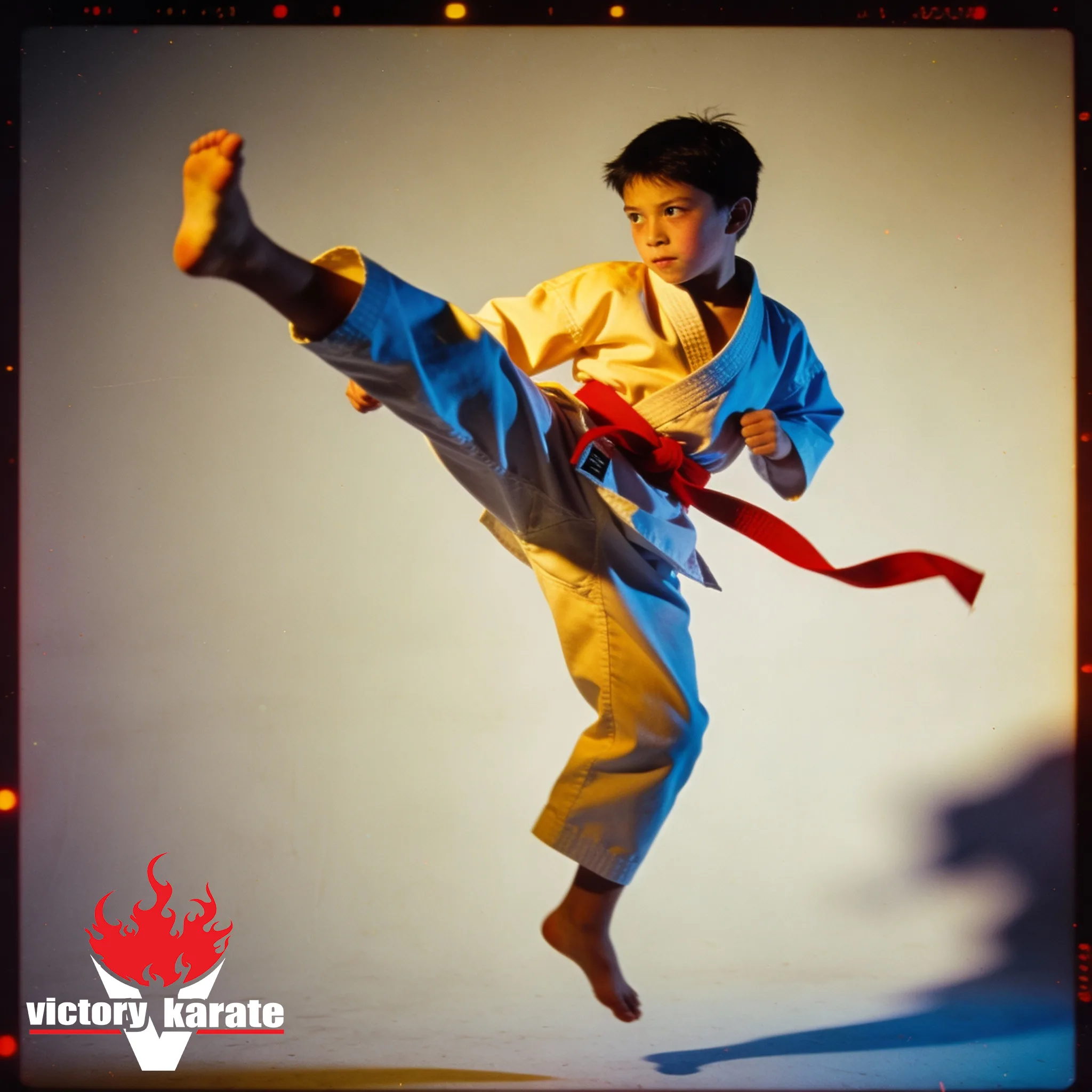
What Judges Actually Look For
Judges evaluate six criteria for every technique: good form, sporting attitude, vigorous application, awareness, good timing, and correct distance. Miss any of these and your beautiful kick scores nothing. A 2022 analysis of WKF championship kumite matches found that only 34% of landed techniques actually scored—meaning two-thirds of clean hits got rejected for technical deficiencies.
Real talk: learning to score consistently took me years longer than learning to land techniques. The gap between "I hit them" and "that scores" frustrates every competitor at some point. Accept it early. Train specifically for competition format, not just sparring.
Pre-Match Preparation That Works
Your competition matches start long before the referee says "hajime." The physical warm-up matters—but so does mental preparation that most competitors neglect entirely. I've seen talented fighters lose because they were mentally scattered, and average athletes win because they arrived ready to compete.
Arrive early. Really early. Tournament schedules shift constantly, brackets change, and stressed athletes make mistakes. Give yourself time to register, find your ring, warm up properly, and watch potential opponents if possible. Rushing creates anxiety that carries into your bout structure performance.
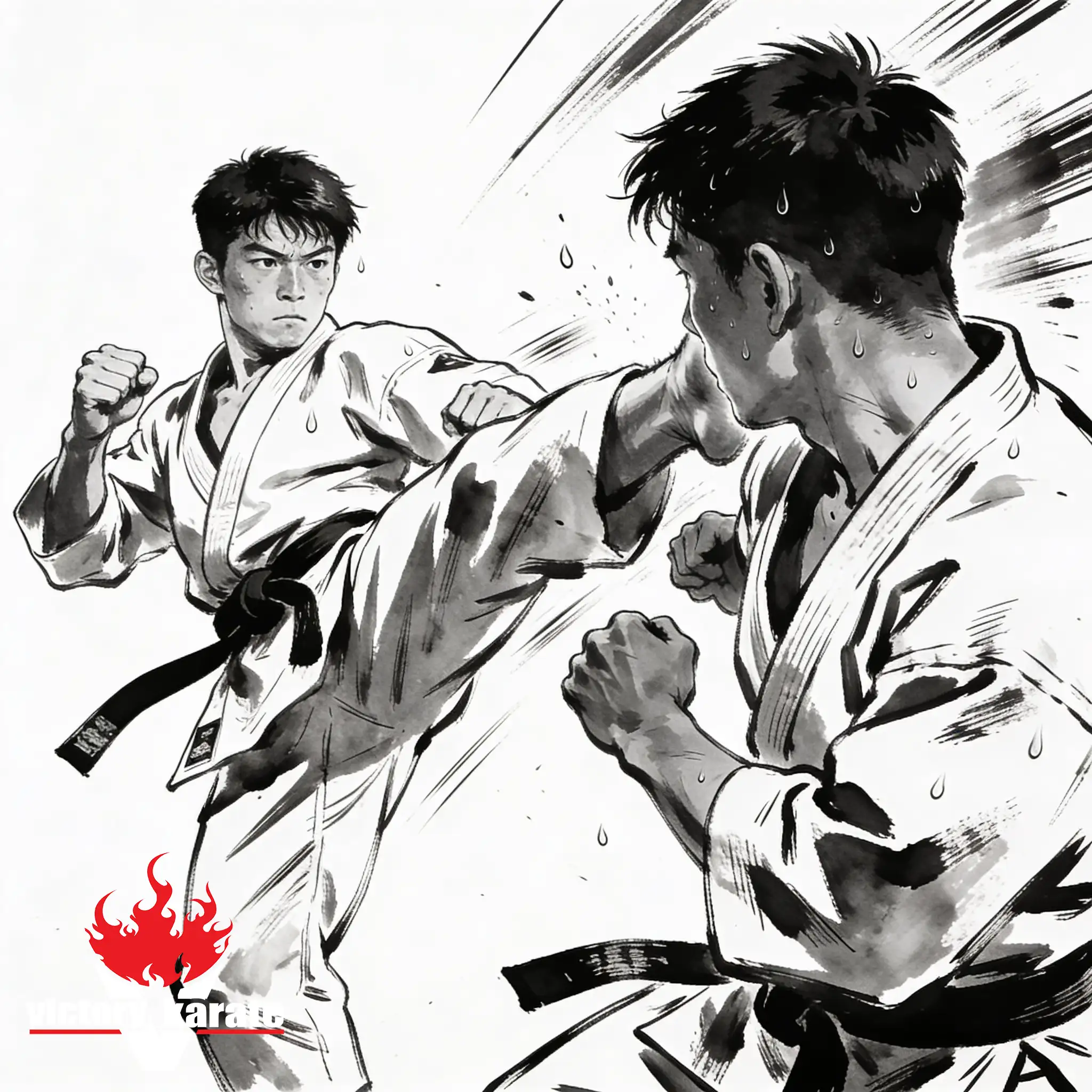
The warm-up should mirror your actual fight format. If matches are 3 minutes, do 3-minute rounds of shadowboxing at competition intensity. Your body needs to know what's coming. Cold athletes move stiffly, react slowly, and gas out faster than properly prepared competitors. This isn't complicated—it's just consistently ignored.
- Arrive 90+ minutes before your scheduled time—brackets always run differently than planned
- Complete a full warm-up including explosive movements 15-20 minutes before fighting
- Watch your opponent's earlier matches if possible—look for patterns and habits
- Have a simple game plan: 2-3 techniques you'll look for, not a complicated strategy
Tactical Approaches for Different Opponents
Not every kumite match requires the same tactical approach. Reading opponents quickly and adjusting tactics on the fly separates advanced competitors from those who fight exactly the same way regardless of who's across from them. Some opponents rush forward constantly—let them run into your counters. Others hang back waiting—you'll need to draw them out or take initiative yourself.
Against aggressive fighters, the counter-punching game usually works best. Their forward momentum creates opportunities if you can time entries correctly. Stay calm, don't match their intensity with your own aggression, and pick your moments carefully. They'll likely overcommit eventually—that's when you score.
Against defensive fighters, you might need to become the aggressor yourself. This feels uncomfortable for counter-fighters, but tournament fights have time limits. If neither competitor scores, judges decide—and waiting passively rarely impresses them. Feints and fakes become essential for drawing reactions you can exploit effectively.
Match Scoring Values Explained
| Score Type | Point Value | Techniques |
|---|---|---|
| Yuko | 1 point | Punch to head/body |
| Waza-ari | 2 points | Kick to body |
| Ippon | 3 points | Head kick, sweep + strike |
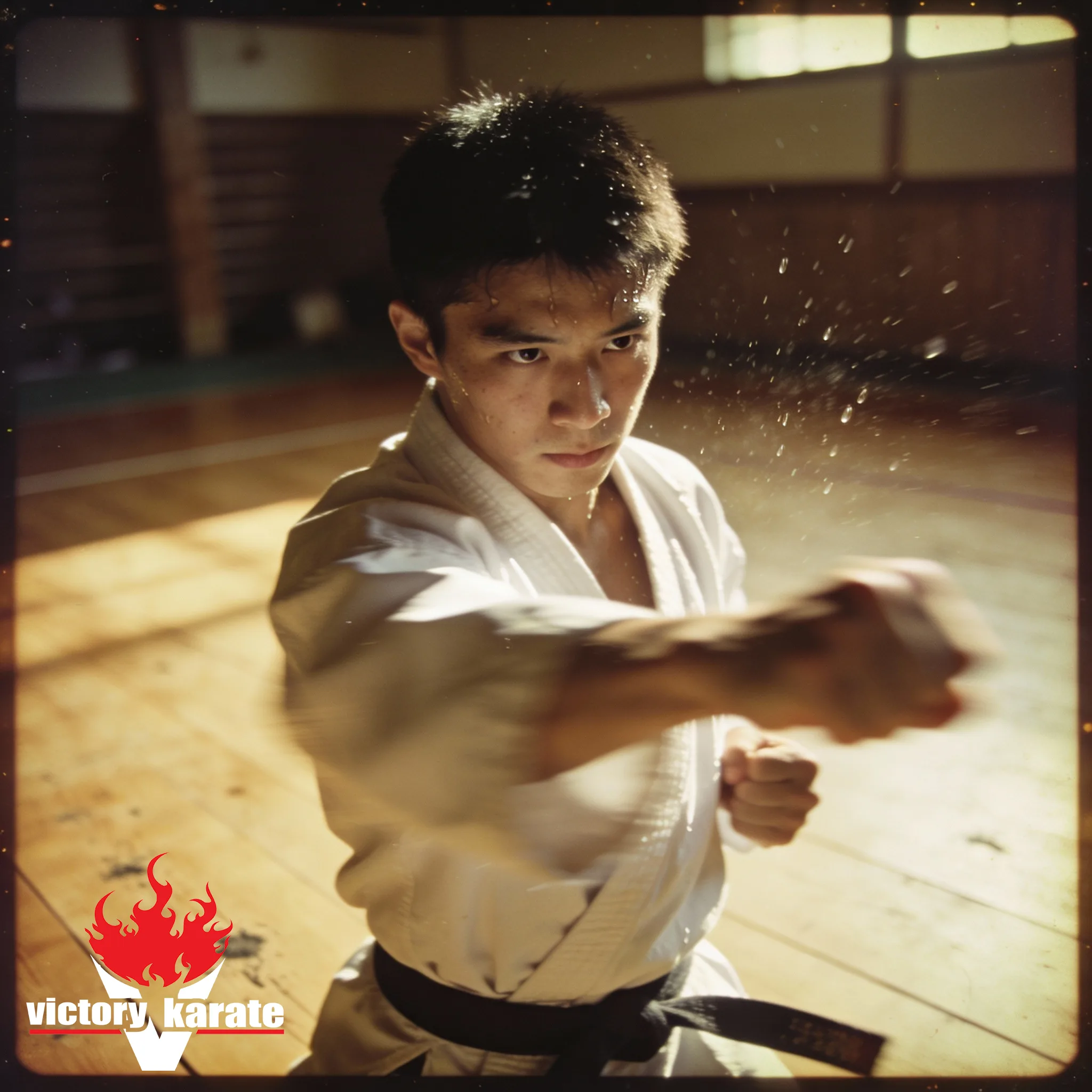
Managing the Clock
Time awareness changes everything in competition matches. With a lead, you can afford to be selective. Behind on points, you must take risks. I've seen fighters lose because they didn't realize time was running out, and others win by stalling effectively with a small lead. Neither is ideal, but both are tactical realities.
A 2021 study of national championship bout structure found that 67% of decisive points came in the final 45 seconds. Both fighters get desperate, defenses drop, and opportunities open up. Train specifically for late-match scenarios—the fitness and composure to execute when exhausted matters enormously.
Common Mistakes That Cost Tournament Fights
After watching hundreds of competition bouts, certain patterns emerge consistently. The same mistakes cost fights at every level—from local tournaments to international championships. Knowing what to avoid matters as much as knowing what to do.
Dropping hands after scoring is probably the most common error. You land a clean technique, start celebrating mentally, and eat a counter immediately. The match rules don't stop when you score—and smart opponents know to attack right after getting hit because defenses are typically lowest then. Maintain guard through the entire sequence.
Fighting outside your game also destroys otherwise talented competitors. If you're a counter-fighter, stay a counter-fighter. If you're a pressure fighter, keep pressing. Changing styles mid-match because things aren't working usually makes things worse. Trust your training. Adjustments should be small, not complete reinventions.
Building Your Competition Career
Tournament matches get easier with experience—not because competition gets less intense, but because you learn to manage the pressure effectively over time. Your first few events should focus on gaining experience rather than winning everything at all costs. Fight, learn, adjust your approach. The results will follow eventually with consistent effort.
Video analysis accelerates improvement dramatically. Record your competition bouts whenever possible and review them honestly afterward. You'll see mistakes you never felt during the fight—and patterns you didn't realize you had. Most competitors hate watching themselves, but those who do it consistently improve faster than those who don't. It's uncomfortable but effective.
Between-Match Recovery
Tournament fights often come in rapid succession. How you recover between kumite matches affects performance significantly. Light movement keeps muscles warm without depleting energy. Hydration and small snacks maintain fuel levels. Mental reset prevents carrying frustration or overconfidence from previous bouts.
- Keep moving lightly after each match—walking, gentle stretching, shadowboxing
- Sip water consistently rather than gulping large amounts at once
- Review what worked and what didn't from your previous bout briefly
- Warm up again 10 minutes before your next scheduled match time
The Mental Game of Competition
Physical preparation only gets you so far in competition. Competition matches are won and lost mentally more often than people openly admit. Nervousness is completely normal—even elite athletes experience significant anxiety before big fights. The difference is how you channel that nervous energy productively. Anxiety becomes excitement when framed correctly.
Visualization works effectively if you actually practice it regularly, not just the night before important tournaments. See yourself executing techniques correctly under real pressure. Feel the competition environment vividly. Run through scenarios mentally—falling behind, catching up, maintaining leads. Mental rehearsal prepares your brain for situations before they happen in reality.
The competitors who look calm during tournament fights aren't necessarily feeling calm—they've just learned to perform despite internal chaos. That skill develops through exposure. Compete often, especially early in your career. Experience normalizes the pressure that initially feels overwhelming and teaches you to trust your training.
Something I've learned watching championship-level competition matches: the best fighters control pace deliberately. They speed up when it benefits them, slow down when they need recovery, and never let opponents dictate rhythm. This pace control looks effortless but takes years to develop. Start noticing it when you watch elite kumite matches.
Frequently Asked Questions
Standard kumite matches run 2-3 minutes depending on competition level, with finals sometimes extended.
Judges award "hantei" decision based on fighting spirit, attitude, and technical superiority demonstrated.
Contact is controlled—excessive force results in penalties or disqualification, not victory.
WKF rules require approved sparring gloves, mouthguard, groin protector, and optional shin/instep guards.
Competitors weigh in before events and compete within designated weight categories specific to gender and age.
WKF emphasizes controlled contact and technical execution; other organizations may allow heavier contact.