What Are the Negatives of Karate? An Honest Look at Limitations
Karate offers genuine benefits: physical fitness, self-discipline, confidence, and practical skills. However, honest evaluation requires acknowledging limitations alongside strengths. Every martial art involves tradeoffs, and potential students deserve complete information before committing time and money.
These negatives don't mean karate lacks value. They represent factors to consider when choosing a martial art and areas to address if you pursue karate training. Understanding limitations helps set realistic expectations and guides intelligent training decisions.
This analysis covers training gaps, injury risks, quality control issues, and practical limitations that karate practitioners commonly encounter. Awareness of these challenges allows proactive responses rather than disappointed discovery.
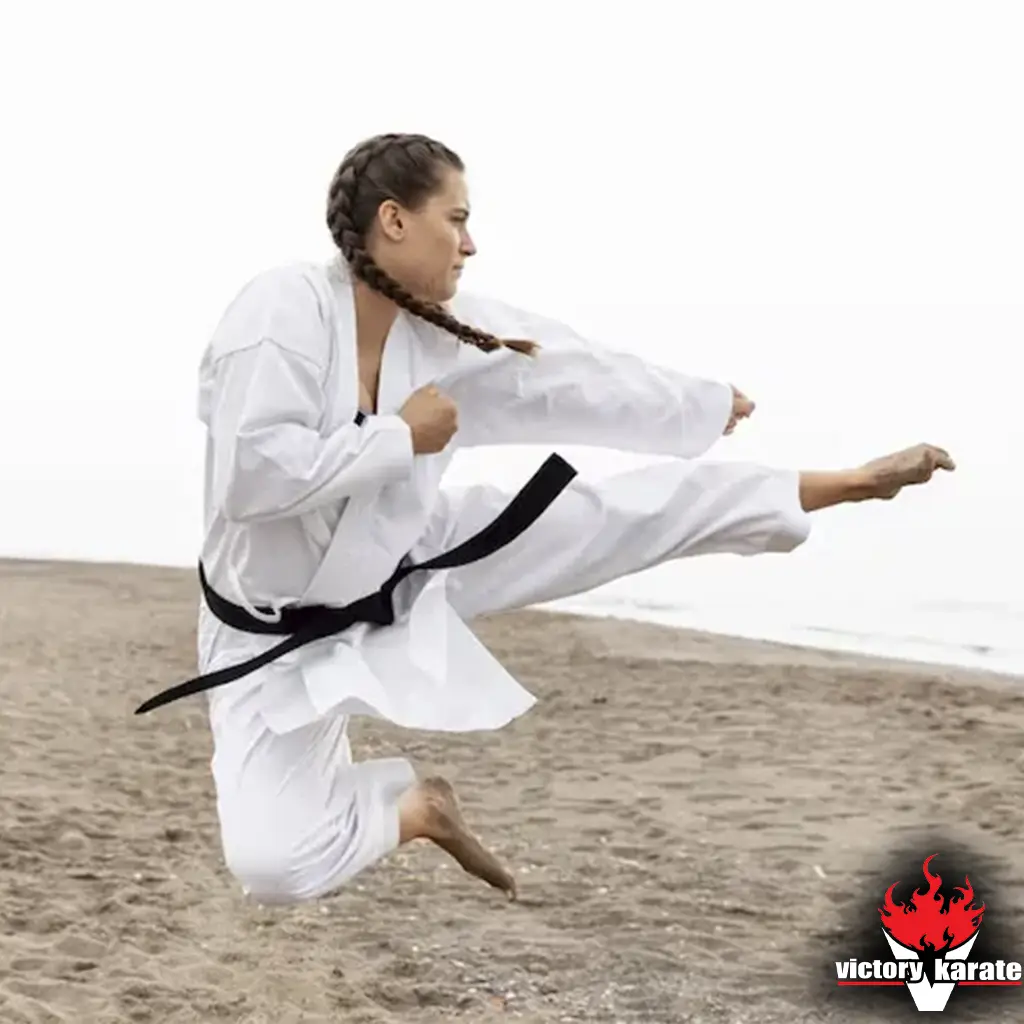
Common Karate Limitations by Category
| Category | Specific Concerns |
|---|---|
| Technical gaps | Limited ground fighting, clinch work often neglected |
| Training realism | Point sparring differs from actual fighting |
| Quality control | McDojo proliferation, inconsistent standards |
| Physical risks | Joint stress, repetitive strain, contact injuries |
| Time investment | Years required for proficiency, slow early progress |
Technical Limitations
Ground fighting represents karate's most significant gap. When fights go to the floor—research suggests 60-70% of street fights end up there—pure karate provides few tools. Brazilian Jiu-Jitsu and wrestling dominate ground combat. Karateka taken down face serious vulnerability unless they've cross-trained.
Clinch fighting receives limited attention in most karate schools. The range between punching distance and grappling—where fighters grab and struggle for position—falls outside traditional karate's primary focus. Muay Thai and judo excel here. Karateka may flounder when opponents close distance and grab.
While traditional karate kata contain clinch techniques, modern training rarely develops them. The throws, locks, and close-range strikes encoded in forms require specific bunkai study that many schools skip. Students learn movements without applications, creating gaps in practical knowledge.
Weapons defense often receives superficial treatment. Knife attacks, club swings, and improvised weapons appear in street violence, but karate training may spend more time on unrealistic scenarios than practical survival skills. The empty-hand art struggles with armed assailants unless specific training addresses this.
Multiple attacker scenarios—common in real violence—receive minimal attention in most dojos. Kata may encode these skills, but modern training rarely practices against multiple resisting opponents. The one-on-one sparring format that dominates training creates habits poorly suited for situations involving groups.
The Sport Karate Problem
Point sparring develops habits that may hinder real fighting. Competitors train to score light touches then retreat—exactly opposite of effective street combat. Years of this conditioning creates automatic responses poorly suited for actual violence where finishing fights quickly matters.
The long-range engagement distance in sport karate rarely occurs in real fights. Street attacks begin close, suddenly, often from ambush. Training that assumes you'll see attacks coming from meters away fails against sucker punches and surprise grabs.
Quality Control Issues
The "McDojo" phenomenon plagues karate more than most martial arts. Commercial pressures incentivize student retention over quality training. Schools discover that easy belt promotions, excessive praise, and watered-down curricula keep paying students happy—while producing practitioners with false confidence in abilities never tested.
No universal licensing or quality standards govern karate instruction. Anyone can open a school and award belts. Self-promotion to higher ranks occurs without oversight. Legitimate masters train alongside frauds, and beginners struggle to distinguish between them.
Belt inflation devalues legitimate achievement. When some schools award black belts after two years while others require five, the meaning becomes confused. The credential that once signified genuine proficiency now varies so widely that it communicates little useful information.
Warning signs of low-quality karate schools:
- Long-term contracts required before training begins
- Guaranteed black belts within specific timeframes
- Extra fees for each belt test and required equipment purchases
- No sparring allowed or only light no-contact sparring
- Children and adults share identical black belt standards
Physical Risks and Injuries
Repetitive strain injuries affect long-term karate practitioners. Thousands of kicks, punches, and blocks stress joints and connective tissue. Knees, hips, shoulders, and wrists commonly develop chronic issues. Prevention requires intelligent training volume management that not all schools practice.
Contact sparring carries inherent injury risk. Bruises, sprains, and occasional fractures occur even with protective gear and controlled contact. These injuries usually heal, but some practitioners accumulate damage that affects quality of life beyond their training years.
Traditional conditioning methods like makiwara striking and forearm conditioning can cause long-term damage if practiced incorrectly or excessively. Bone micro-fractures, joint arthritis, and nerve damage represent risks that proponents sometimes downplay. Science supports measured conditioning but questions extreme methods.
Common Karate Injuries and Prevention
| Injury Type | Common Causes | Prevention |
|---|---|---|
| Knee strain | Deep stances, pivoting kicks | Proper alignment, strength work |
| Shoulder injury | Overextended punches | Controlled extension, rotator cuff exercises |
| Hand/wrist injury | Improper striking alignment | Correct fist formation, progressive conditioning |
| Lower back pain | High kicks, stance transitions | Core strengthening, flexibility work |
Time and Progress Concerns
Proficiency in karate requires years of consistent practice. Unlike some fitness activities where progress appears quickly, martial arts skill develops slowly. Students training twice weekly may spend 4-5 years reaching black belt—and black belt represents competency, not mastery. This timeline demands significant commitment.
Early training can feel frustrating. Beginners may spend months on basic stances and simple techniques while watching advanced students perform impressive kata. The delayed gratification inherent in martial arts training doesn't suit everyone's temperament or schedule.
Cost adds up over time. Monthly fees, equipment, testing fees, uniforms, and seminar attendance create ongoing expenses. Multi-year commitment means significant total investment. Families with multiple children training face particularly high costs that may limit access.
Geographic limitations affect training access. Quality karate instruction isn't available everywhere. Rural areas and smaller cities may have limited options, forcing compromises between convenience and quality. The best school may require significant travel that not everyone can manage.
Mitigating the Negatives
Acknowledging these limitations allows addressing them. Cross-training in grappling arts closes the ground fighting gap. Choosing schools with realistic sparring develops practical skills. Researching instructors avoids McDojo traps. Intelligent training volume prevents overuse injuries.
Strategies for addressing karate's limitations:
- Add basic wrestling or BJJ training for ground awareness
- Seek schools that include contact sparring and self-defense scenarios
- Research instructor credentials and school reputation before joining
- Listen to your body and modify training as needed for injury prevention
Finding Value Despite Limitations
Karate's negatives don't negate its genuine benefits. Physical fitness, discipline, confidence, stress relief, and community belong to practitioners regardless of technical limitations. The art serves millions of people worldwide who accept tradeoffs while enjoying benefits.
Informed practitioners address weaknesses proactively rather than pretending they don't exist. This honest approach produces better martial artists than blind faith in any single system's completeness.
Perfect martial arts don't exist. Every system has gaps, risks, and quality variations. Karate's negatives—while real—compare favorably to many alternatives. The key is entering training with realistic expectations rather than discovering limitations through disappointing experience.
The decision to train karate should weigh these negatives against proven benefits. Millions find the tradeoff worthwhile. Others might better suit different martial arts or fitness activities. Honest self-assessment about goals and tolerance for limitations guides the best choice for each individual.
Frequently Asked Questions
Improper training or excessive volume can stress joints, but intelligent practice with appropriate modifications preserves joint health.
No—excellent schools exist, but quality varies widely and requires research to identify legitimate programs.
Not necessarily—understand the limitations, address them through supplementary training, and enjoy the genuine benefits karate offers.
Yes—trained karateka possess significant advantages over untrained attackers even with technical gaps.
All styles involve tradeoffs, though full-contact styles address some concerns while introducing others like increased injury risk.
Visit multiple schools, watch classes, ask about instructor credentials, verify sparring practices, and check student retention rates.