Name of Karate Suit: Gi, Keikogi, and Dogi Explained
"What's the name of that white outfit karate people wear?" It's a surprisingly common question—and the answer is more complicated than most people initially expect. The karate suit has several official names depending on context, formality, and which martial art you're specifically discussing.
Here's the thing: calling it a "karate suit" or "karate uniform" works fine in casual conversation. But if you walk into a traditional dojo using those terms, you might get corrected. The proper karate uniform name is "gi" (pronounced "ghee"), sometimes "keikogi" or "dogi" in more formal contexts.
This guide covers what the karate outfit is actually called officially, why the terminology matters in traditional settings, and how to choose the right training uniform for your specific martial arts practice.
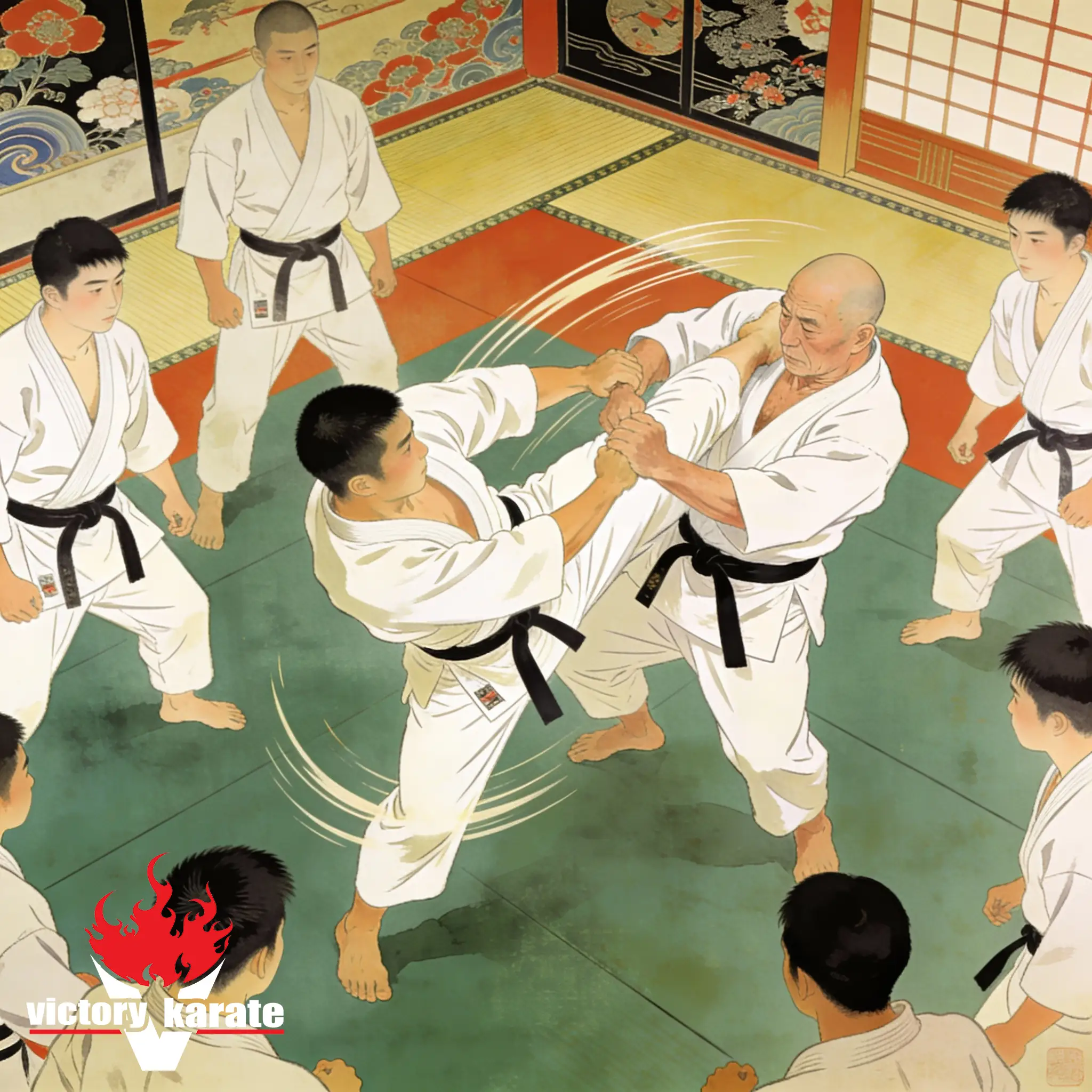
Karate Uniform Terminology
| Term | Meaning | Context | Usage |
|---|---|---|---|
| Gi | Clothing/wear | Casual | Most common |
| Keikogi | Training wear | Formal | Traditional |
| Dogi | Way wear | Formal | Budo arts |
| Karategi | Karate wear | Specific | Distinguishes |
| Uniform | Standard dress | Western | Informal |
The Gi: Most Common Karate Uniform Name
When most people ask about the name of karate suit, "gi" is the answer they'll hear. The term comes from Japanese and literally means "clothing" or "dress." In martial arts contexts, it specifically refers to the training uniform worn during practice and competition. Simple pronunciation: sounds like "ghee" (as in clarified butter).
The karate gi consists of three components: the jacket (uwagi), the pants (zubon or shitabaki), and the belt (obi). Together they form the complete training uniform that you see in dojos worldwide. The martial arts outfit has remained remarkably consistent in design since Jigoro Kano standardized it for judo training in the late 1800s.
Real talk: outside of Japan, almost everyone just says "gi." The more formal terms exist, and knowing them shows respect for tradition, but nobody's going to correct you for saying "I need to wash my gi" instead of "I need to wash my keikogi." Context determines formality in these situations.
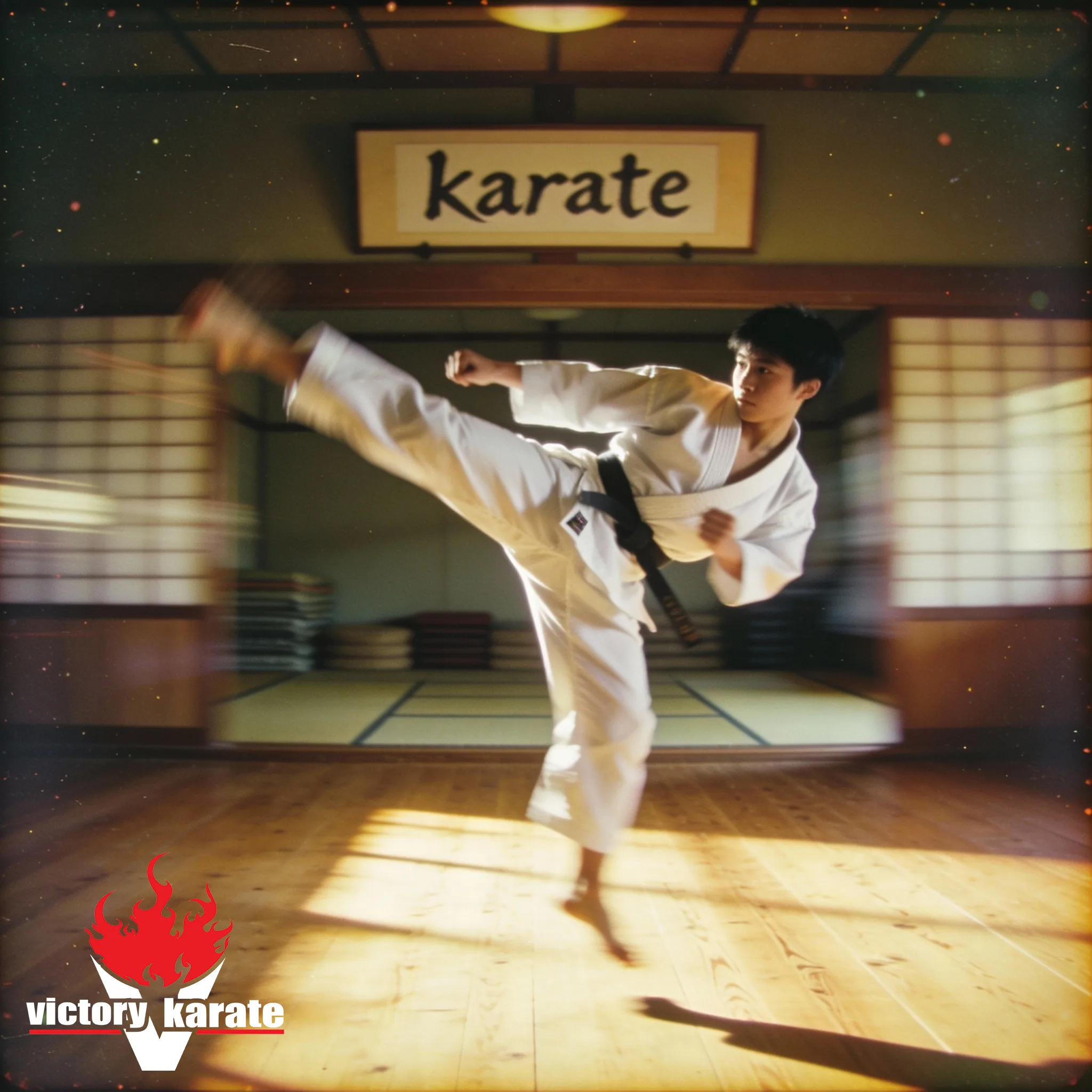
Keikogi and Dogi: The Formal Terminology
Technically, "keikogi" is the most accurate karate uniform name. "Keiko" means practice or training; "gi" means clothing. So keikogi literally translates to "training clothing"—which is exactly what it is. Traditional instructors who care about linguistic precision prefer this term over the shortened "gi."
"Dogi" takes a different angle. "Do" means "way" (as in karate-do, the "way of the empty hand"). So dogi is "way clothing"—the uniform you wear while practicing the martial way. This term emphasizes the philosophical aspect of training rather than just the physical activity.
A 2019 survey of American martial arts schools found that 78% of instructors use "gi" in daily instruction, 15% use "uniform," and only 7% consistently use "keikogi" or "dogi." The formal terms appear more often in written materials, seminars, and when discussing tradition specifically.
History of the Karate Training Uniform
The karate outfit we recognize today actually comes from judo, not original Okinawan karate. Jigoro Kano, founder of judo, developed the standard gi design around 1907. Before that, martial artists trained in whatever clothing they happened to have—often just regular garments or sometimes stripped down significantly.
Original Okinawan karate practitioners didn't have standardized training wear. They practiced in everyday clothes, underwear, or sometimes nothing at all in private training. The formal karate gi only became standard when Gichin Funakoshi began teaching karate on mainland Japan and adopted the judo uniform to appear more legitimate to the Japanese martial arts establishment.
- Pre-1900s: No standardized martial arts uniform existed—training happened in regular clothes
- 1907: Jigoro Kano designs the first standardized gi for judo training
- 1920s-30s: Karate adopts the gi when teaching spreads to mainland Japan
- 1950s+: Standardization spreads globally as martial arts become international
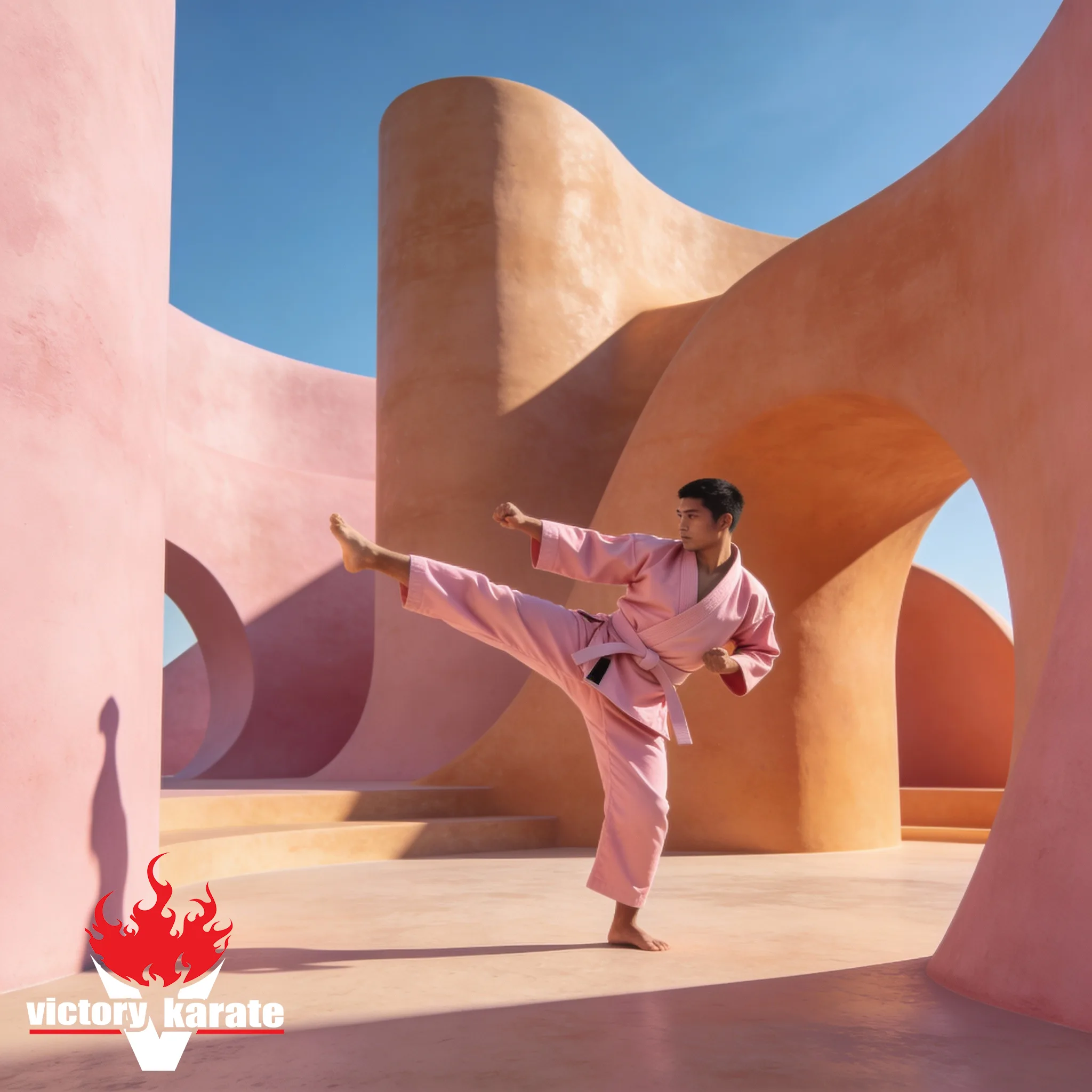
Different Styles of Karate Gi
Not all karate uniforms are identical. The martial arts outfit varies in weight, cut, and construction depending on the style of karate practiced and whether it's used for kata, kumite, or general training. Understanding these differences helps you choose the right training uniform for your needs.
Kata gi tends to be heavier (12-14 oz fabric), with a crisp construction that "snaps" during movements. The sound and visual impact of techniques matter in kata competition—a heavier gi produces better dramatic effect. Competition kata practitioners often spend $150-300+ on high-quality karate outfit specifically designed for forms performance.
Kumite gi is lighter (6-8 oz), looser fitting, and designed for freedom of movement during sparring. The karate uniform for fighting can't restrict kicks, quick movements, or grappling. WKF competition rules specify maximum fabric weight and construction requirements to ensure fairness.
Gi Comparison Across Martial Arts
| Art | Weight | Design | Purpose |
|---|---|---|---|
| Karate | 8-14 oz | Wrap jacket | Striking focus |
| Judo | 14-18 oz | Heavy wrap | Grappling grip |
| BJJ | 12-16 oz | Reinforced | Ground work |
| TKD | 6-8 oz | V-neck top | Kicking range |
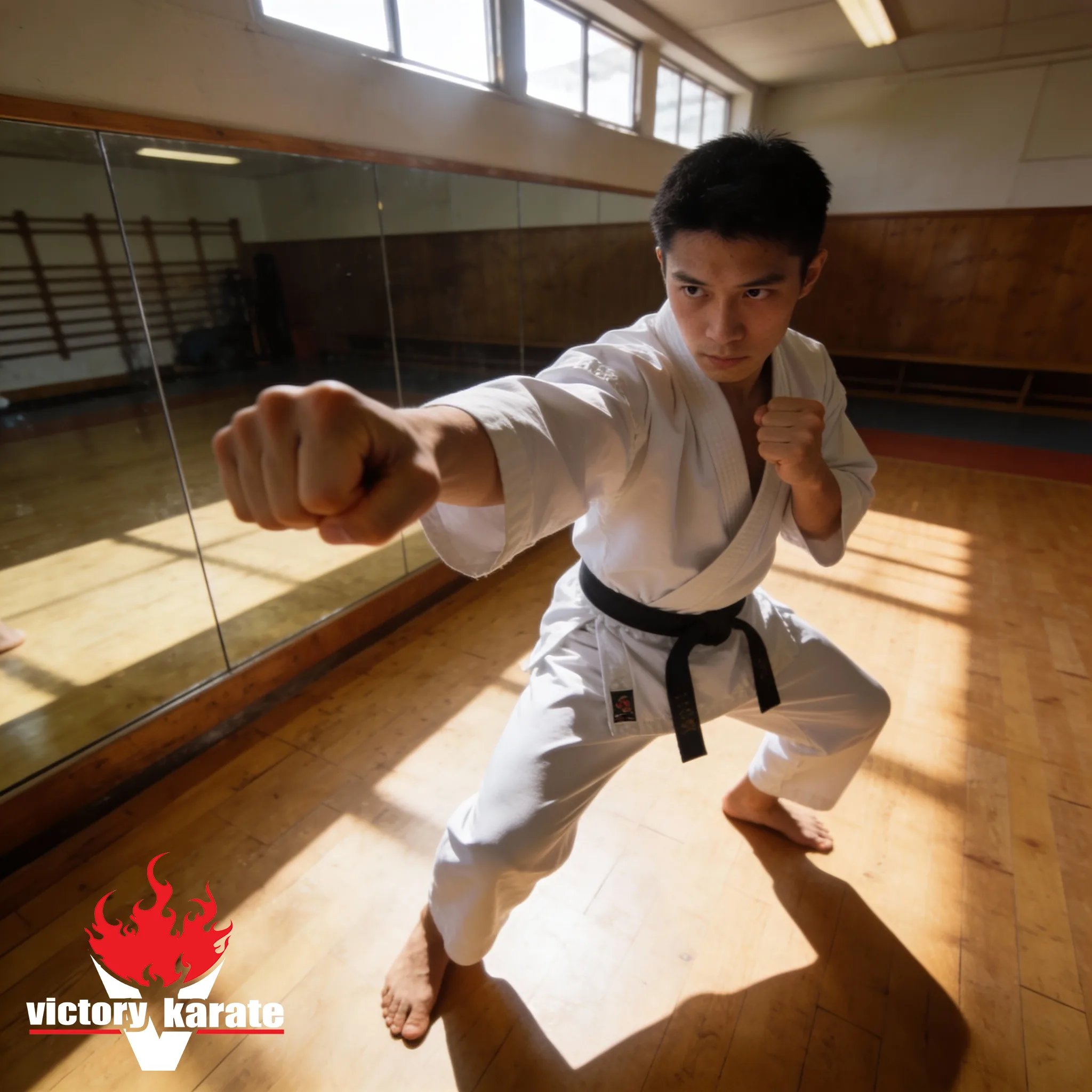
Caring for Your Karate Uniform
A quality karate gi represents significant financial investment—proper care extends its lifespan considerably and protects that investment. Wash after every training session (yes, every single one without exception). The karate outfit absorbs sweat that breeds bacteria and creates unpleasant odors if left unwashed even briefly. Cold water prevents shrinkage; avoid hot dryers.
White gi requires special attention to maintain brightness over time. Add small amounts of white vinegar or baking soda to wash loads to help remove stains and odors naturally. Avoid chlorine bleach, which weakens cotton fibers over time and can cause yellowing. Line drying in sunlight naturally brightens white fabric while preventing the heat damage dryers cause.
Real talk about gi hygiene that often goes unspoken: nothing damages dojo culture faster than practitioners with smelly training uniforms. Wash consistently after every class, dry thoroughly before storing, and replace when worn beyond acceptable condition. The martial arts outfit is shared equipment in the sense that training partners contact it constantly during practice. Respect them with cleanliness.
- Wash immediately after every training session in cold water
- Air dry or use low heat to prevent shrinkage and fiber damage
- Avoid bleach which weakens cotton fibers over time
- Repair minor seam issues promptly before they become major tears
Buying Your First Karate Gi
New students should always consult their instructor before purchasing a karate suit independently. Some schools require specific brands, styles, or patches to maintain uniformity. Others provide uniform as part of enrollment fees. Buying independently before asking might mean purchasing something you can't actually use in your class.
Sizing matters significantly with the karate outfit you choose. Manufacturers use different sizing systems—some by height, others by standard clothing sizes, still others by Japanese numbering. When possible, try on before buying. Online purchases should include clear return policies since first-time sizing often misses.
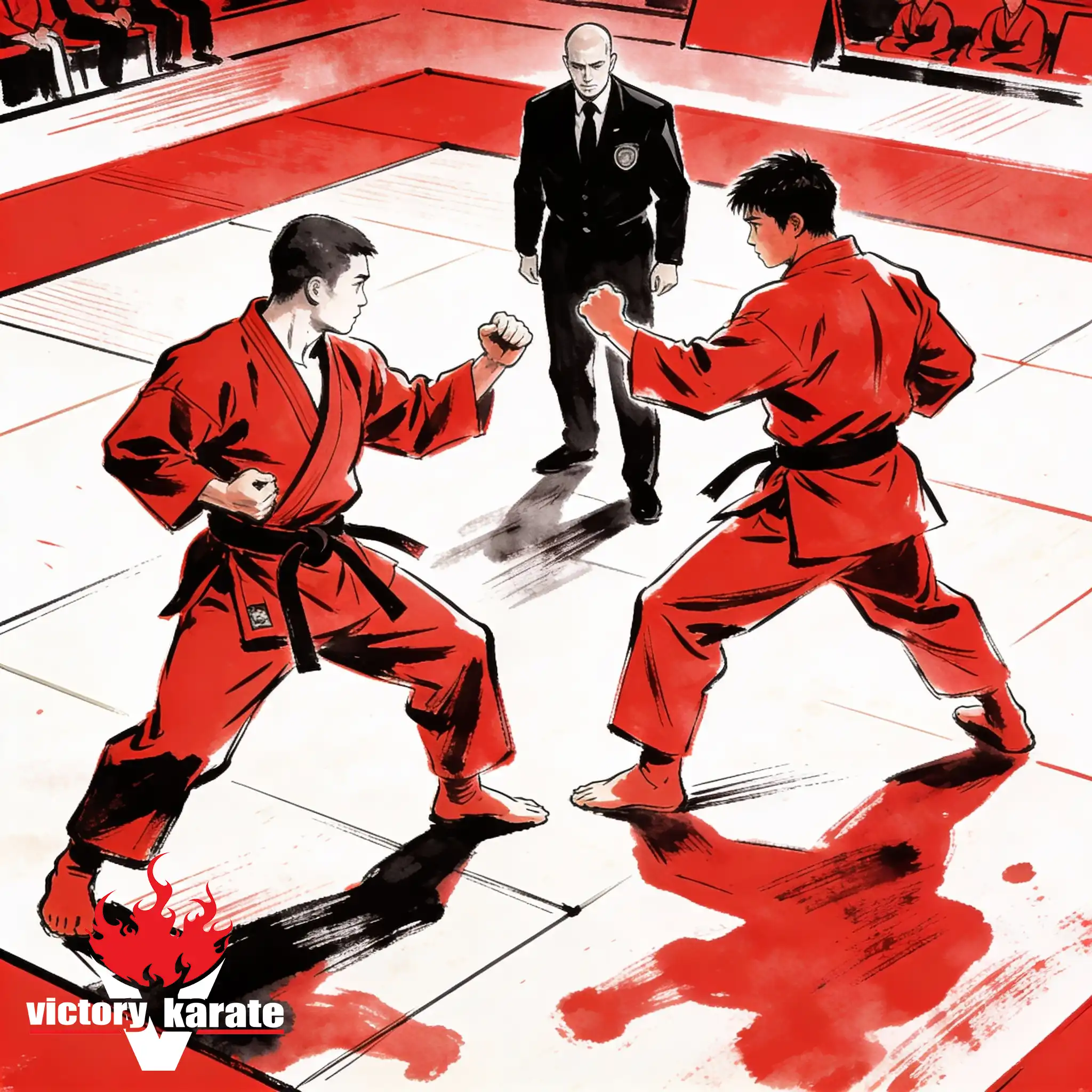
Budget $30-80 for an initial student-grade training uniform. This provides adequate quality for determining whether you'll continue training without major investment. Upgrade to better quality after confirming martial arts will be ongoing activity. The name of karate suit may be simple, but choosing the right one deserves thought.
Popular brands among serious practitioners include Tokaido (Japanese-made, premium quality), Shureido (Okinawan craftsmanship), Adidas (WKF-approved competition), and Century (affordable American brand). Each offers different price points and quality levels. Research reviews specific to your intended use—competition requirements differ from general training needs.
The cultural significance of the karate uniform extends beyond practicality. Putting on the gi symbolically separates training time from regular life—a psychological transition into martial arts mindset. The identical appearance among students reinforces equality regardless of background or wealth. The karate suit represents belonging to something larger than individual achievement.
Frequently Asked Questions
"Gi" is the most commonly used term, while "keikogi" and "dogi" are more formally correct.
White shows dirt (encouraging hygiene), bleaches easily, and promotes equality by hiding wealth differences.
Technically yes, but judo gi is heavier and may restrict movement for karate techniques.
After every single training session—bacteria from sweat creates hygiene issues if left unwashed.
Kata gi is heavier for visual impact; kumite gi is lighter for freedom of movement.
Consult manufacturer sizing charts using your height, or try on in-store when possible.