Maai & Sen: The Advanced Timing Skills That Decide Fights
Two karateka of equal technique face each other. One consistently lands first, controls the engagement, and wins decisively. The difference isn't speed or strength. It's understanding of maai (distance) and sen (timing initiative). These invisible skills separate competent fighters from exceptional ones.
Japanese martial arts codified these concepts centuries ago, yet many modern practitioners never receive formal instruction in them. Training focuses on technique execution rather than the spatial and temporal intelligence that determines whether techniques can land.
This analysis explores maai and sen as learnable skills rather than mystical talents. Understanding the underlying principles—and training methods that develop them—transforms fighting ability more profoundly than any new technique could.
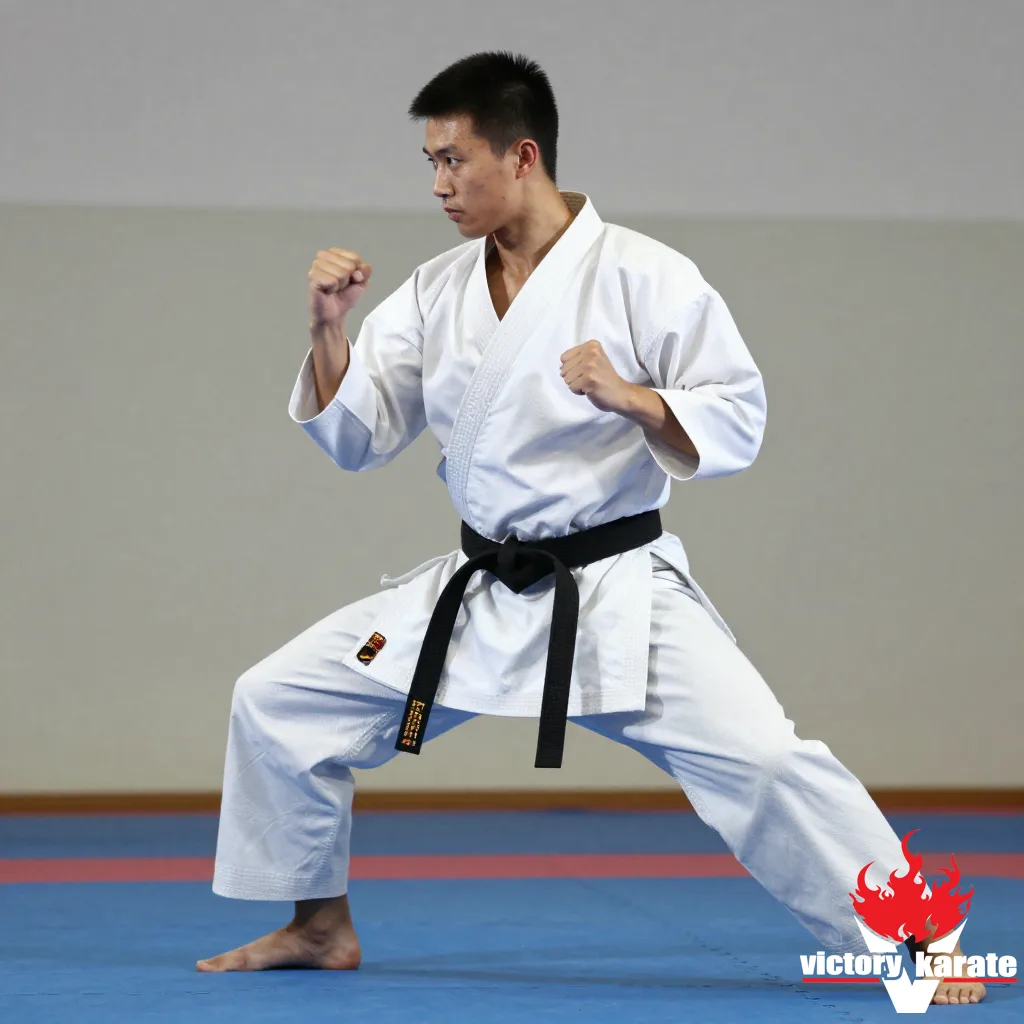
The Three Timing Initiatives (Sen)
| Timing Type | Description | Strategic Application |
|---|---|---|
| Sen-no-sen | Attack into opponent's attack initiation | Intercept before technique develops power |
| Go-no-sen | Counter after opponent commits | Exploit openings created by attack |
| Sen-sen-no-sen | Attack before opponent's intention forms | Read pre-attack cues and preempt |
Understanding Maai
Maai translates simply as "distance," but the concept encompasses far more than spatial measurement. True maai understanding includes awareness of relative positioning, engagement range for both fighters, and how distance changes affect tactical options. The fighter who controls maai controls the fight.
Critical distance—the range where either fighter can reach the other with a single step and technique—represents the danger zone where combat decisions compress into fractions of seconds. Skilled fighters spend most of their time just outside this boundary, entering only with specific intentions and exiting immediately after.
Maai differs for every pairing. A tall fighter's critical distance exceeds a short fighter's. Someone with powerful kicks has different engagement ranges than a close-range specialist. Experienced competitors assess their opponent's maai within the first few exchanges, adjusting strategy accordingly.
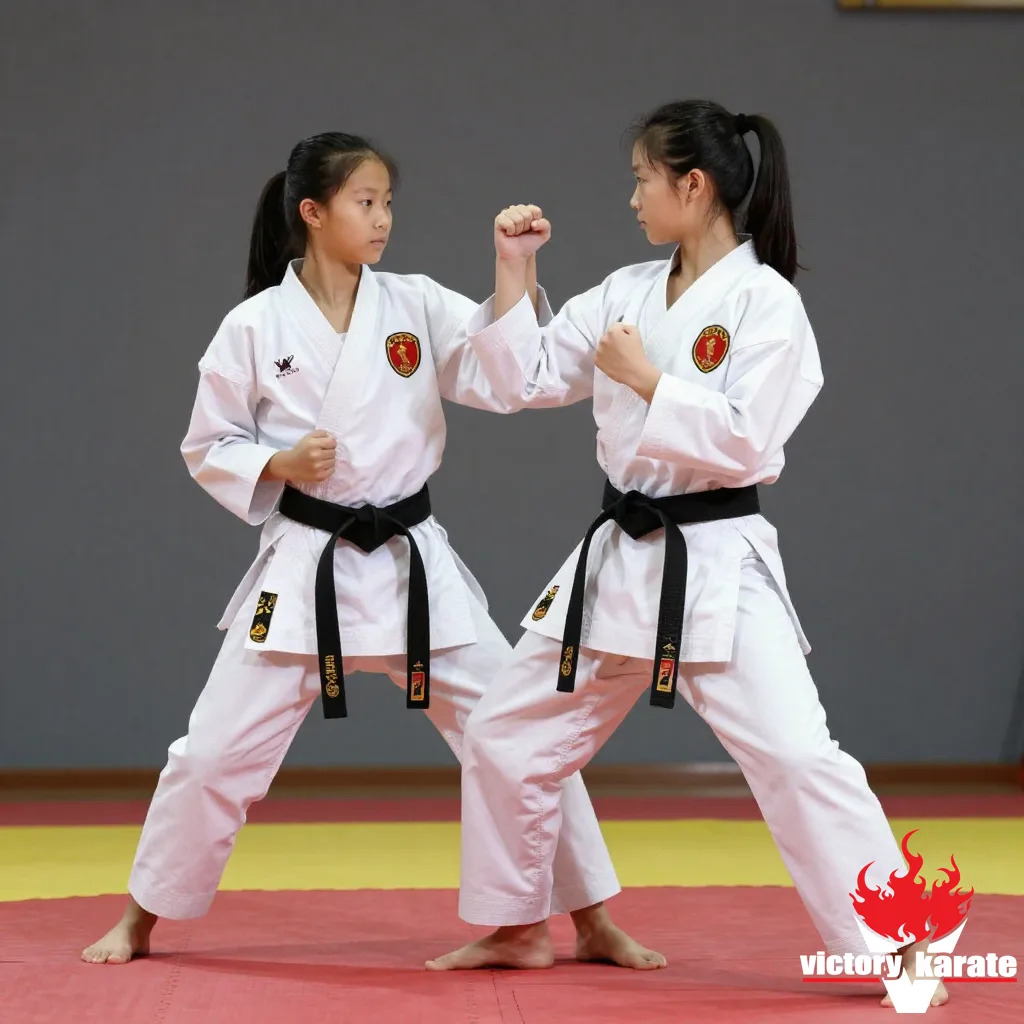
The connection between maai and technique selection often goes unexamined. Certain techniques work only at specific distances. A spinning back kick requires more space than a front kick. An elbow strike demands closer range than a reverse punch. Attempting techniques at wrong distances guarantees failure regardless of technical quality.
Dynamic maai recognition proves more challenging than static assessment. Both fighters move constantly. The optimal distance for attack becomes suboptimal a moment later. Tracking these changes while managing your own movement and monitoring threats demands cognitive resources that only experience can free up through automaticity.
Deception operates through maai manipulation. Creating false impressions of distance—appearing closer or farther than you actually are—baits opponents into miscalculated attacks. Subtle stance adjustments, head movement, and guard positioning can all suggest distances that don't match reality. The opponent swings at where they thought you were.
Reading Distance Changes
Opponents signal distance changes before they happen. Weight shifts precede steps. Posture adjustments indicate intended direction. Eye focus reveals target selection. Reading these precursors provides early warning that raw reaction time cannot match.
Peripheral vision detects movement earlier than focused vision. Staring at an opponent's eyes or hands creates blind spots. Experienced fighters maintain soft focus on the chest area, allowing peripheral awareness to catch motion anywhere on the body. This observation method feels counterintuitive initially but proves superior once developed.
Your own movement affects distance as much as your opponent's. Stepping forward halves the distance faster than waiting for them to approach. Angling changes geometric relationships that pure forward-backward movement cannot achieve. Circular footwork maintains contact without linearly closing or opening range.
Sen No Sen—Attacking the Attack
Sen-no-sen times your attack to intercept the opponent's attack at its inception. You're not waiting to see their technique—you're detecting the commitment to attack and meeting it before it develops. This timing requires reading intention rather than responding to completed action.
The advantages of sen-no-sen prove substantial. Attacks intercepted early lack power because they haven't completed acceleration. The attacker, committed to forward movement, cannot defend effectively. Your strike lands while theirs is still traveling. The exchange ends before their technique reaches its intended target.
Developing sen-no-sen timing requires thousands of repetitions in controlled sparring. Partners agree to attack on specific cues while you practice intercepting at progressively earlier points. Over time, you learn to read the micro-movements that precede attacks: the shoulder tension, weight loading, eye focus shift.
Risk accompanies sen-no-sen attempts. Misreading intention means attacking into nothing while the opponent remains ready. Worse, you might commit forward while they launch a different attack than expected. The confidence to attempt sen-no-sen comes only after sufficient pattern recognition develops through extensive experience.
Common triggers that precede attacks:
- Weight shift toward the rear leg indicating forward drive preparation
- Shoulder elevation on the attacking side as arm prepares to extend
- Breath intake or holding indicating technique initiation
- Eye fixation on target rather than general awareness of opponent
Go No Sen—The Counter-Attack
Go-no-sen accepts the opponent's attack and counters after it commits or completes. This timing requires defensive skill to survive the initial attack while positioning for immediate response. The counter exploits openings created when the attacker extended themselves.
Every attack creates vulnerability. Extended arms cannot protect the body. Forward momentum prevents retreat. Recovery time between techniques leaves windows for counter-attack. Go-no-sen capitalizes on these structural weaknesses by waiting until they manifest.
The classic karate counter—receiving an attack with a block and immediately striking—exemplifies go-no-sen. The block positions you close enough to counter while the opponent remains extended. Speed matters less than positioning because you're exploiting their compromised structure rather than racing their technique.
Go-no-sen suits fighters whose defensive skills exceed their offensive attributes. Rather than initiating exchanges they might lose, they invite attacks they can handle while preparing devastating responses. Patience becomes a tactical weapon. The opponent's aggression fuels their own defeat.
The psychological dimension of go-no-sen frustrates aggressive opponents. They attack repeatedly, each time receiving counter-damage. Confidence erodes. Hesitation creeps in. The counter-fighter gains momentum without initiating. Eventually, the attacker becomes tentative—and tentative fighters become easy targets.
Combining Block and Counter
Advanced go-no-sen eliminates the gap between defense and offense. Rather than block-then-counter as separate actions, the defensive movement itself damages the attacker or creates immediate striking opportunity. This compression requires precise positioning where your defense places you for optimal counter-attack.
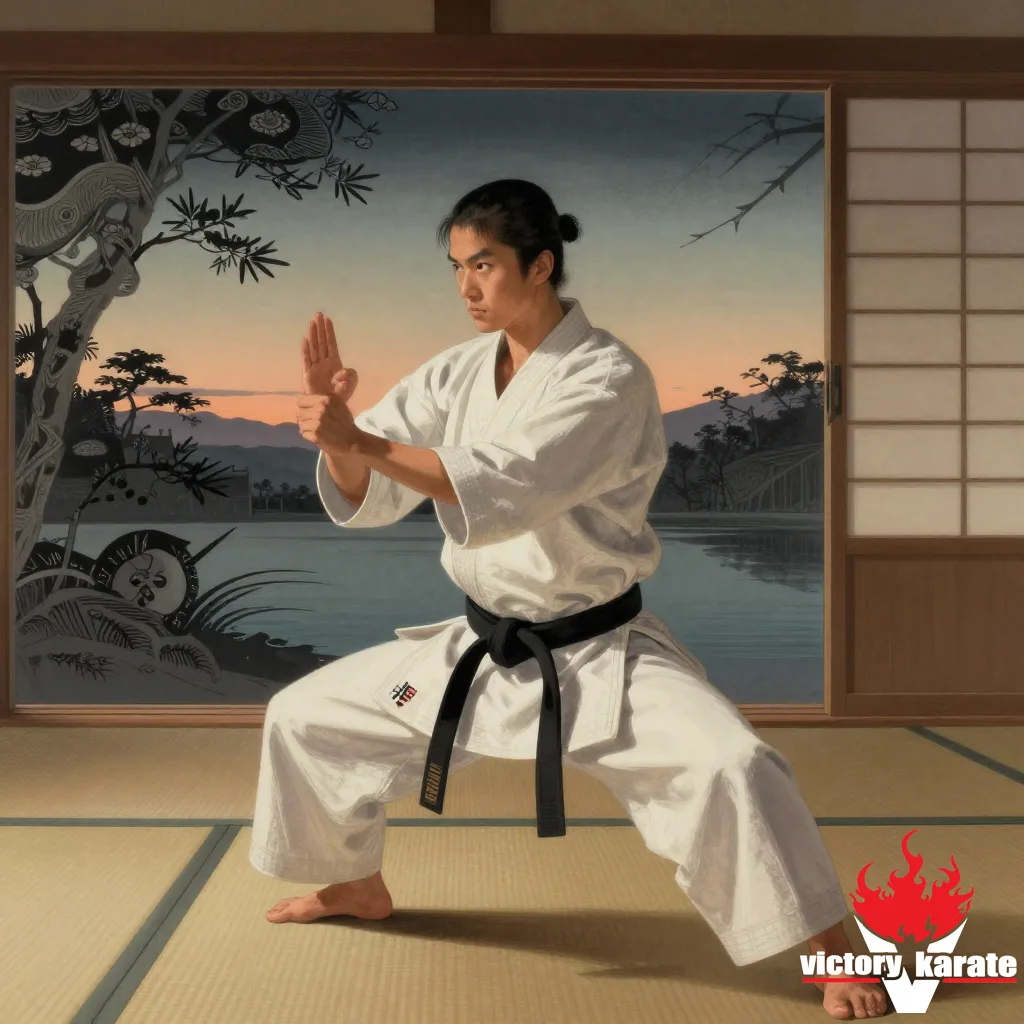
Tai sabaki (body movement) enables this compression. Instead of blocking by moving your arm to the attack line, you move your body off the attack line while positioning to counter. The attack misses; you're already striking. No defensive movement is wasted when it simultaneously evades and sets up offense.
Economy of motion defines advanced go-no-sen. Every defensive action serves offensive purposes. The block that parries also unbalances. The evasion that avoids also angles for counter-attack. Beginners think of defense and offense separately; experts unify them into single integrated responses that accomplish both objectives simultaneously.
Sen Sen No Sen—Attacking the Intention
The highest timing initiative attacks before the opponent consciously decides to attack. Sen-sen-no-sen reads intention forming in the opponent's mind and strikes that intention before it becomes action. This sounds mystical. It isn't. It's pattern recognition at subconscious speed.
Human decision-making generates physical preparation that precedes conscious awareness. The body readies for action before the mind finalizes the decision. Fighters with extensive experience learn to perceive these preparations without consciously analyzing them. They "sense" the attack coming because they're reading cues too subtle for verbal description.
Provocation accelerates sen-sen-no-sen. By creating situations that invite specific attacks, you know what's coming before the opponent decides to send it. A deliberate opening invites a particular strike. When they take the bait, you're already attacking their attack because you created it.
This level of timing takes years to develop. It cannot be taught through explanation—only cultivated through countless hours of sparring where patterns gradually become recognizable. The progression moves from conscious analysis to unconscious recognition. Eventually, correct timing simply happens without deliberation.
Masters demonstrating sen-sen-no-sen appear almost supernatural to observers. They seem to know what opponents will do before opponents know themselves. The reality is more prosaic—decades of experience created pattern recognition that operates below conscious awareness. The timing looks magical because the underlying processes remain invisible.
Competition at the highest levels often becomes a sen-sen-no-sen battle. Both fighters attempt to read and attack intention. The one who reads more accurately, or creates better false intentions to read, gains the advantage. Physical technique equalizes at elite levels; mental timing separates champions from contenders.
Maai Zones and Tactical Options
| Distance Zone | Available Techniques | Tactical Considerations |
|---|---|---|
| Long range | Front kicks, side kicks, jumping attacks | Observation zone, low risk, limited offense |
| Medium range | Reverse punch, roundhouse kick, back fist | Primary engagement zone, balanced risk/reward |
| Close range | Elbows, knees, short punches, sweeps | High risk, decisive exchanges, clinch threat |
| Grappling range | Throws, joint locks, chokes, head control | Specialist zone, different skill set required |
Training Methods for Timing Development
Timing skills develop through progressive training that isolates specific aspects before integrating them into free sparring. Jumping directly to open fighting makes timing development random rather than systematic. Structured practice accelerates skill acquisition dramatically.
Video analysis supplements physical training. Recording sparring sessions and reviewing them frame-by-frame reveals timing relationships invisible at full speed. Where exactly did the successful counter begin relative to the attack? What telegraph preceded the intercepted technique? Visual study builds understanding that transfers to improved performance.
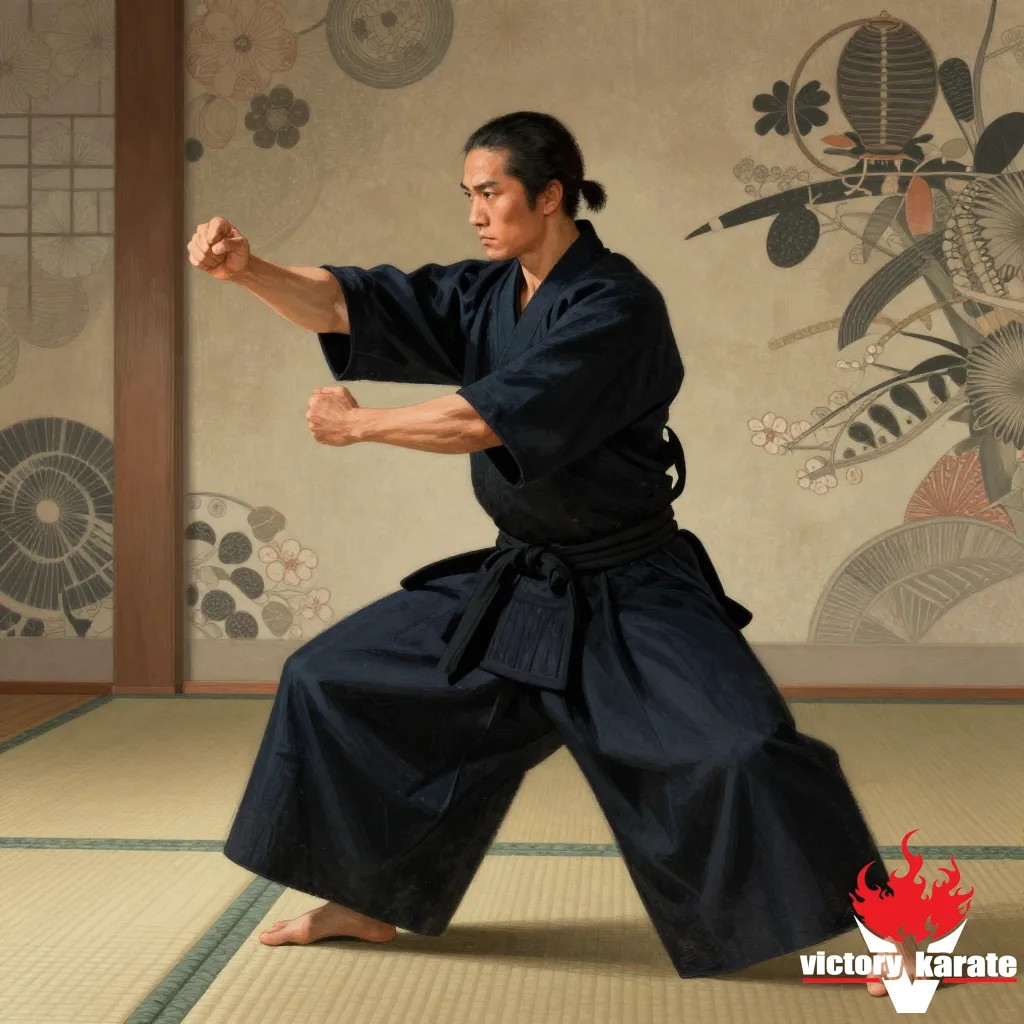
Progressive timing development exercises:
- Single attack, single counter drills—partner attacks with predetermined technique, you practice specific counter timing
- Attack recognition—partner chooses from limited options, you identify and respond appropriately
- Rhythm disruption—establish patterns then break them, training adaptability to timing changes
- Distance control games—score points by touching opponent's shoulder while preventing them touching yours
- Slow sparring—move at quarter speed to analyze decision-making and positioning without athletic dominance
Mental Aspects
Timing operates at speeds that conscious thought cannot match. Deliberation creates hesitation; hesitation loses fights. The goal is training correct responses until they happen automatically, without decision processes that consume precious milliseconds.
Mushin—"empty mind"—describes the mental state where timing functions optimally. Not absence of awareness but absence of interference. You perceive everything without fixating on anything. Responses arise from training rather than deliberation. This state develops through meditation practices and accumulated sparring experience.
Fear disrupts timing more than any technical deficiency. Anxiety about getting hit creates tension that slows movement and clouds perception. Accepting that hits will happen—and that they're survivable—paradoxically reduces how often you get hit. Relaxed fighters perceive more, react faster, and move more efficiently than tense ones.
Breathing patterns influence timing profoundly. Held breath creates rigidity. Forced breathing disrupts natural rhythm. Smooth, continuous breathing supports the relaxed alertness that optimal timing requires. Many fighters unknowingly hold their breath during exchanges, sabotaging their own performance through oxygen deprivation and muscle tension.
Zanshin—maintained awareness after technique completion—prevents the tunnel vision that vulnerable moments create. Fighters who mentally "finish" after landing a technique leave themselves open to counters. Continuous awareness through and beyond each exchange keeps timing skills engaged throughout the fight rather than intermittently.
Maai and sen mastery represents advanced karate that few practitioners achieve. The journey toward this mastery transforms not just fighting ability but perception itself. You begin seeing things you previously missed—the tells, the patterns, the opportunities that exist in every exchange. Fighting becomes chess at combat speed, where strategic intelligence matters as much as physical attributes.
Frequently Asked Questions
Superior timing dramatically compensates for speed and strength disadvantages because landing clean techniques matters more than raw power generation.
Most practitioners require 3-5 years of regular sparring before sen-no-sen timing becomes reliable, though basic recognition develops earlier.
Complete fighters need all three timing types because opponents vary and situations change, though most naturally favor one approach initially.
Kata develops rhythm and coordination but requires partner practice to develop reading opponents and controlling engagement distance.
Selection becomes automatic with experience, but beginners should match timing to opponent tendencies—counter aggressive fighters, attack passive ones.
Maai and sen principles apply to any confrontation, with self-defense scenarios typically requiring preemptive timing due to ambush dynamics.