Miyagi Do Karate: Defense-First Philosophy Explained
"Karate is for defense only." That single memorable line from Mr. Miyagi shaped how millions of people around the world think about martial arts training. The miyagi do karate philosophy—fictional though its origin may be—resonated so deeply because it articulated something many traditional martial artists actually believe but rarely express so clearly.
Here's the thing about the fictional dojo: while Miyagi-Do Karate exists only in movies and television shows, the core principles it represents are genuinely rooted in authentic Okinawan martial arts tradition. The balance philosophy, defensive focus, and character development emphasis all come directly from real karate lineages.
This guide explores what the miyagi do style actually teaches philosophically, where those ideas originated historically in Okinawan martial arts, and how the fictional dojo's principles apply meaningfully to real martial arts training today.
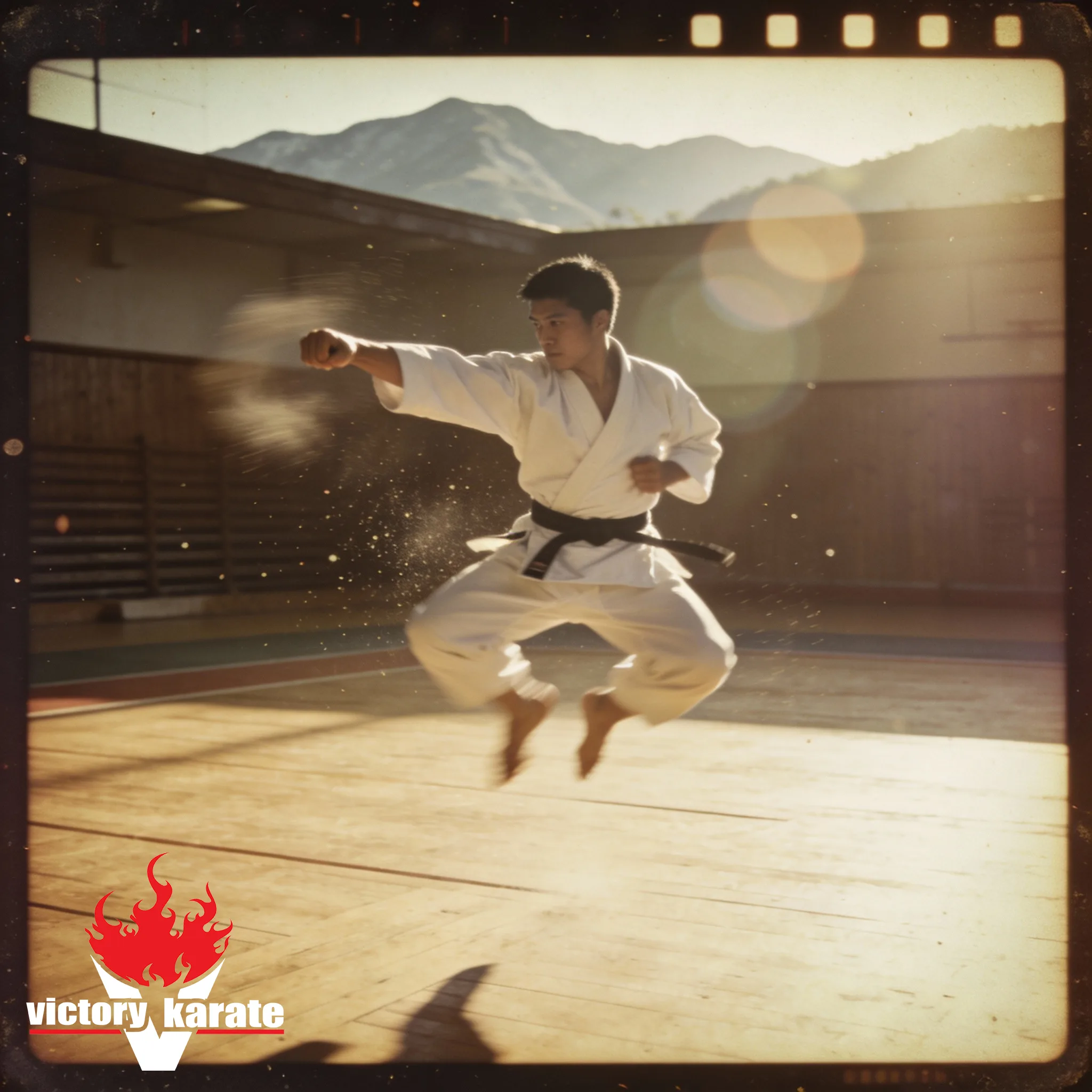
Miyagi-Do Core Principles
| Principle | Application | Real-World Parallel |
|---|---|---|
| Defense first | Block before strike | Goju-ryu philosophy |
| Balance in all things | Physical and mental | Okinawan tradition |
| No first strike | Never initiate | Shotokan precept |
| Character over combat | Personal growth | Budo philosophy |
| Patience and timing | Wait for openings | Counter-fighting |
The Real Martial Arts Behind the Fiction
Robert Mark Kamen, who wrote the original Karate Kid screenplay, trained extensively in Okinawan Goju-ryu karate. That's not trivia—it explains why the miyagi do karate philosophy feels authentic to practitioners. The defensive emphasis, the breathing techniques, the crane kick itself (loosely based on actual kata movements)—all draw from legitimate Okinawan traditions rather than Hollywood invention.
Goju-ryu translates to "hard-soft style," emphasizing the fundamental balance between tension and relaxation, power and yielding. Sound familiar? That's Mr. Miyagi's entire teaching philosophy condensed into a style name. The fictional dojo didn't invent these concepts; it dramatized ideas that real Okinawan masters have taught for generations.
Real talk: the "wax on, wax off" training montage gets mocked sometimes, but the underlying principle is genuine. Traditional karate did use household chores and repetitive movements to build muscle memory and practical strength. Students in Okinawa historically learned basics through tasks that seemed unrelated to fighting but developed essential physical attributes.
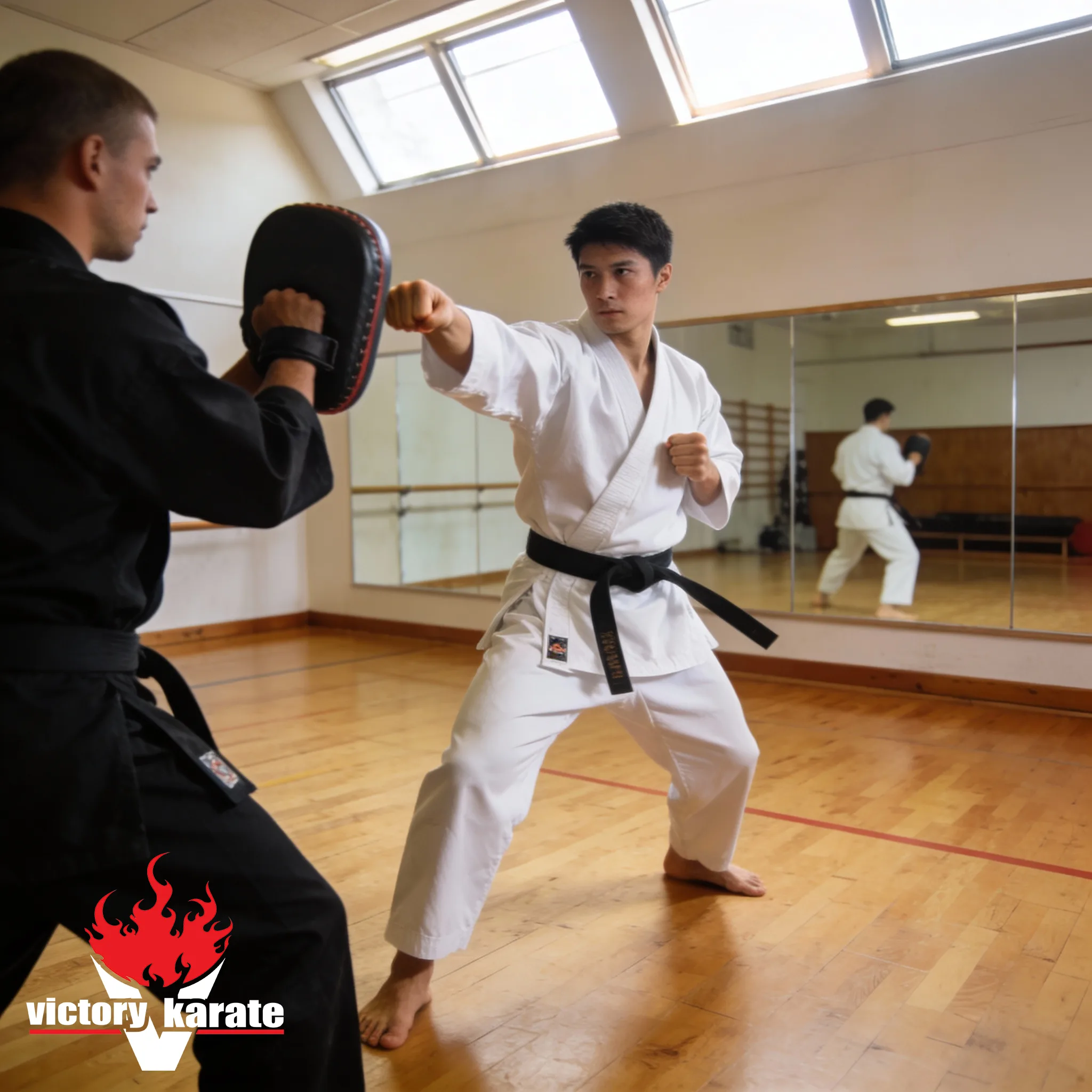
Gichin Funakoshi's Influence
The "karate ni sente nashi" principle—there is no first attack in karate—comes directly from Gichin Funakoshi, the founder of Shotokan karate. This wasn't just philosophy; it was practical ethics for a martial art powerful enough to kill. Miyagi-Do's defensive emphasis echoes this foundational teaching that predates the movies by decades.
Funakoshi also emphasized that karate's purpose was character development, not fighting prowess. The miyagi do style captures this perfectly through Mr. Miyagi's focus on Daniel's personal growth rather than tournament victories. Training the whole person, not just the fighter—that's authentic traditional karate philosophy, not Hollywood invention.
Defense-First Fighting: How It Actually Works
The balance philosophy in Miyagi-Do karate isn't just spiritual mumbo-jumbo—it translates into specific fighting strategy. Defensive karate uses blocks and evasion to create openings, then counters with precision. You don't attack randomly; you wait for opponents to commit, then exploit the vulnerabilities they create through their own aggression.
A 2019 analysis of WKF championship matches found that counter-fighters won 58% of bouts against aggressive pressure fighters. The data supports what Miyagi taught: defense creates opportunities. Patience and timing beat raw aggression more often than most people expect. The fictional dojo's approach actually works in real competition.
- Read opponent movements to anticipate attacks before they fully develop
- Use blocking to redirect force rather than absorbing impact directly
- Counter immediately when blocks create openings in opponent's guard
- Maintain composure while opponents exhaust themselves attacking
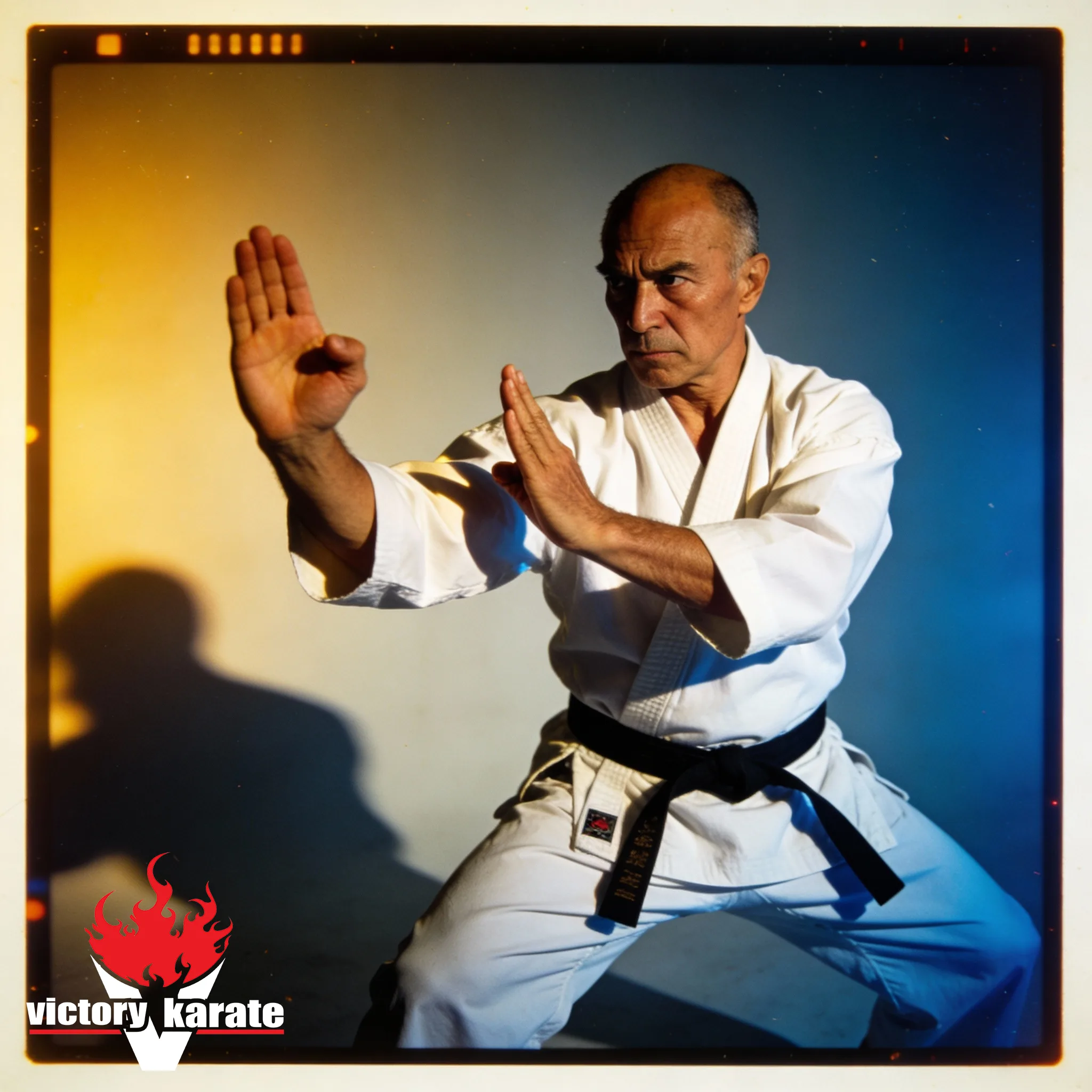
Balance Philosophy Beyond Fighting
The miyagi do style extends far beyond combat into life philosophy—and this aspect resonates most strongly with audiences worldwide. Balance in training means not obsessing over martial arts at the expense of relationships, education, or mental health. Balance in conflict means seeking resolution before resorting to physical confrontation.
Traditional Okinawan masters genuinely taught this holistic approach. Karate wasn't separate from daily life; it was supposed to inform how you lived. The discipline, patience, and self-control developed through training should manifest in every interaction, not just when fighting. Mr. Miyagi's gardening, his gentle demeanor, his reluctance to fight—all reflect authentic martial arts values.
Mental Training Components
Miyagi-Do Karate emphasizes meditation and breathing exercises alongside physical techniques. This isn't Hollywood mysticism—it's standard practice in traditional Okinawan dojos. Controlled breathing (ibuki in Goju-ryu) develops focus, manages stress during confrontation, and actually improves physical performance through better oxygen utilization.
A 2021 study of martial artists found that those practicing regular meditation showed 34% better reaction times under stress than those focused purely on physical training. The defensive karate approach requires calm under pressure—meditation builds exactly that capacity. Mr. Miyagi's tree-trimming and fish-pond gazing weren't just character quirks; they were training.
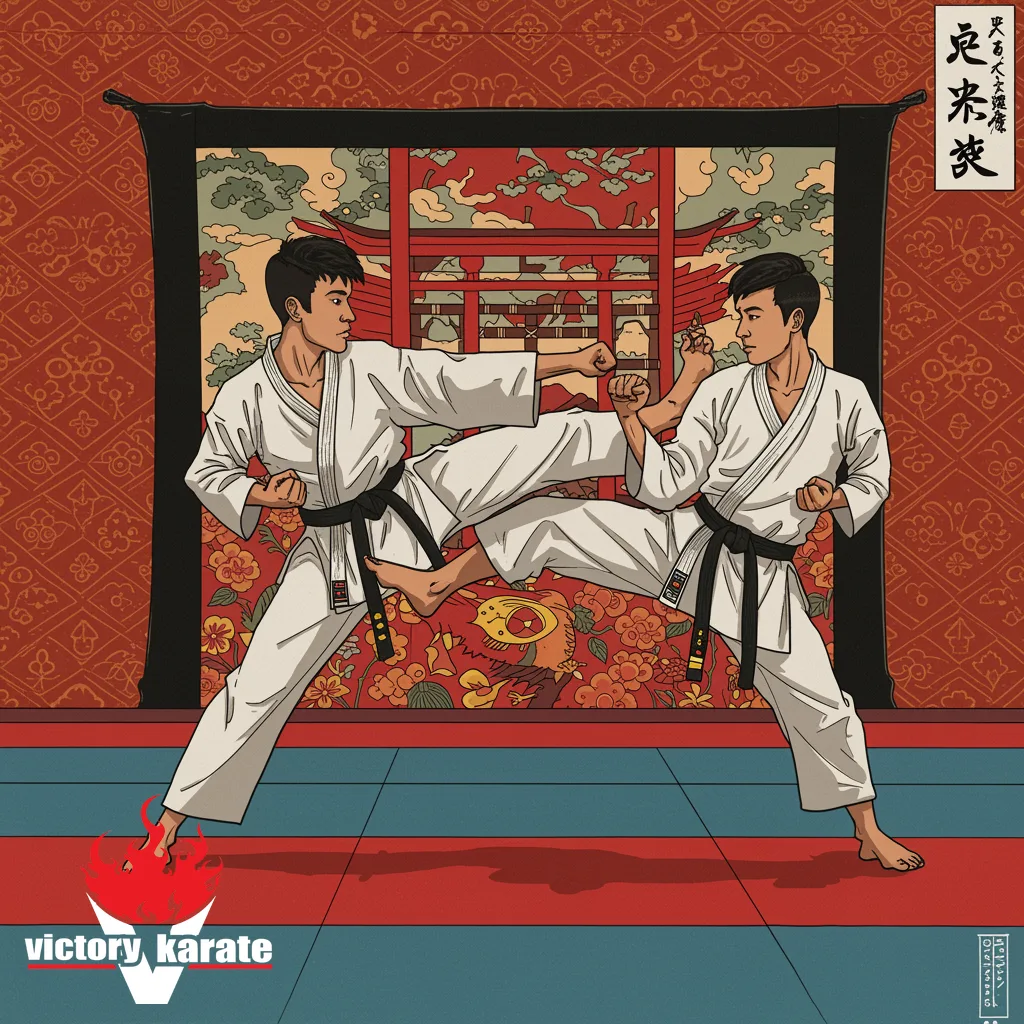
Cobra Kai vs. Miyagi-Do: The Real Debate
The Cobra Kai television series brilliantly dramatizes a genuine philosophical divide in martial arts: aggressive versus defensive approaches. John Kreese's "strike first, strike hard, no mercy" represents one legitimate training philosophy; Mr. Miyagi's defensive patience represents another. Neither is purely wrong—and that's what makes the conflict compelling.
Some situations genuinely call for preemptive action. Waiting for an attacker to strike first could get you seriously hurt in real self-defense scenarios. The miyagi do karate philosophy works beautifully in controlled tournament settings but requires adaptation for street encounters where rules don't exist. This tension is real, not just dramatic invention.
Philosophy Comparison
| Aspect | Miyagi-Do | Aggressive Styles |
|---|---|---|
| First action | Block/evade | Strike immediately |
| Goal | End conflict | Dominate opponent |
| Training focus | Character + skill | Combat effectiveness |
| Energy use | Conservation | Maximum output |
Finding Real Miyagi-Do Training
If you want training that embodies miyagi do karate principles, look for schools emphasizing traditional Okinawan styles—Goju-ryu, Shorin-ryu, or Uechi-ryu particularly. These systems prioritize the defensive karate approach, character development, and holistic training that the fictional dojo represents. Many exist throughout the United States and internationally.
Warning signs that a school doesn't align with balance philosophy values: excessive focus on tournament victories, promotion based purely on fighting ability, dismissal of kata and traditional training in favor of constant sparring. These aren't necessarily bad schools, but they represent different priorities than Miyagi-Do's approach.
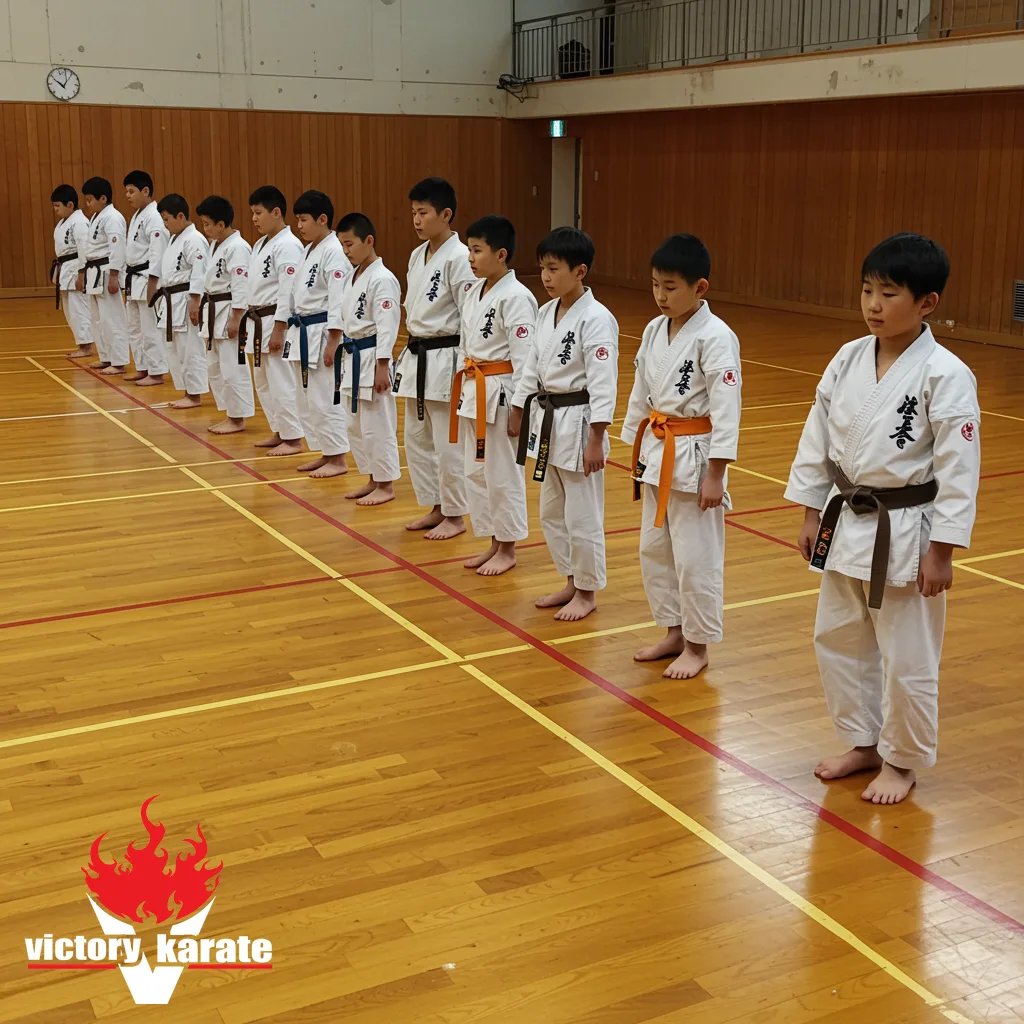
Questions to Ask Potential Instructors:
- What's the balance between sparring, kata, and conditioning in typical classes?
- How do you approach students who just want to learn fighting without the philosophy?
- What role do meditation and breathing exercises play in your curriculum?
- How does your school trace its lineage to Okinawan traditions?
The Lasting Impact of Fictional Philosophy
Millions of people started martial arts training because of The Karate Kid movies and television series. That's not exaggeration—dojo enrollment spiked measurably after the 1984 film released and again significantly after Cobra Kai debuted on streaming platforms. The miyagi do style, fictional as it is, introduced concepts that changed real lives in lasting ways.
What strikes me most about the lasting appeal: people who began training because of the movies often stay for reasons Mr. Miyagi himself would genuinely approve. The discipline, the confidence, the community, the sense of continuous self-improvement—these keep practitioners engaged long after movie-inspired enthusiasm fades. Fiction led to authentic personal transformation. That's something beautiful and worth celebrating.
The balance philosophy resonates because modern life feels unbalanced to many people. Training that promises both physical capability and mental peace addresses needs that purely aggressive martial arts don't. Miyagi-Do represents an ideal—perhaps unattainable perfectly—that's worth pursuing regardless of where you actually train.
Frequently Asked Questions
No—it's fictional, but draws heavily from authentic Okinawan Goju-ryu and Shorin-ryu traditions.
Goju-ryu karate shares the most philosophical and technical similarities with the fictional dojo.
No—movies show dramatic versions of techniques that require proper instruction to perform safely.
Yes—counter-fighting strategies work well when combined with proper technical training and timing.
No—Fumio Demura, a real Okinawan karate master, served as his stunt double and technical advisor.
Loosely—similar movements exist in actual kata, though the dramatic movie version isn't tournament-legal.