National Karate: Competing at the Country Level
Making a national karate team represents the pinnacle of competitive achievement for most martial artists. Only a tiny percentage of practitioners ever reach this level—earning the right to represent their country against the best fighters from around the world. The journey demands years of dedicated training, consistent tournament performance, and mental fortitude few possess.
Here's the thing: national championship competition differs fundamentally from local or regional events. The stakes are higher, the competitors are better, and the pressure is intense. Understanding how national karate federations operate, how selection works, and what competing at this level actually involves helps serious athletes plan their competitive paths.
This guide explores national-level karate competition—from federation structure to selection processes to what it takes to succeed at the highest domestic level.
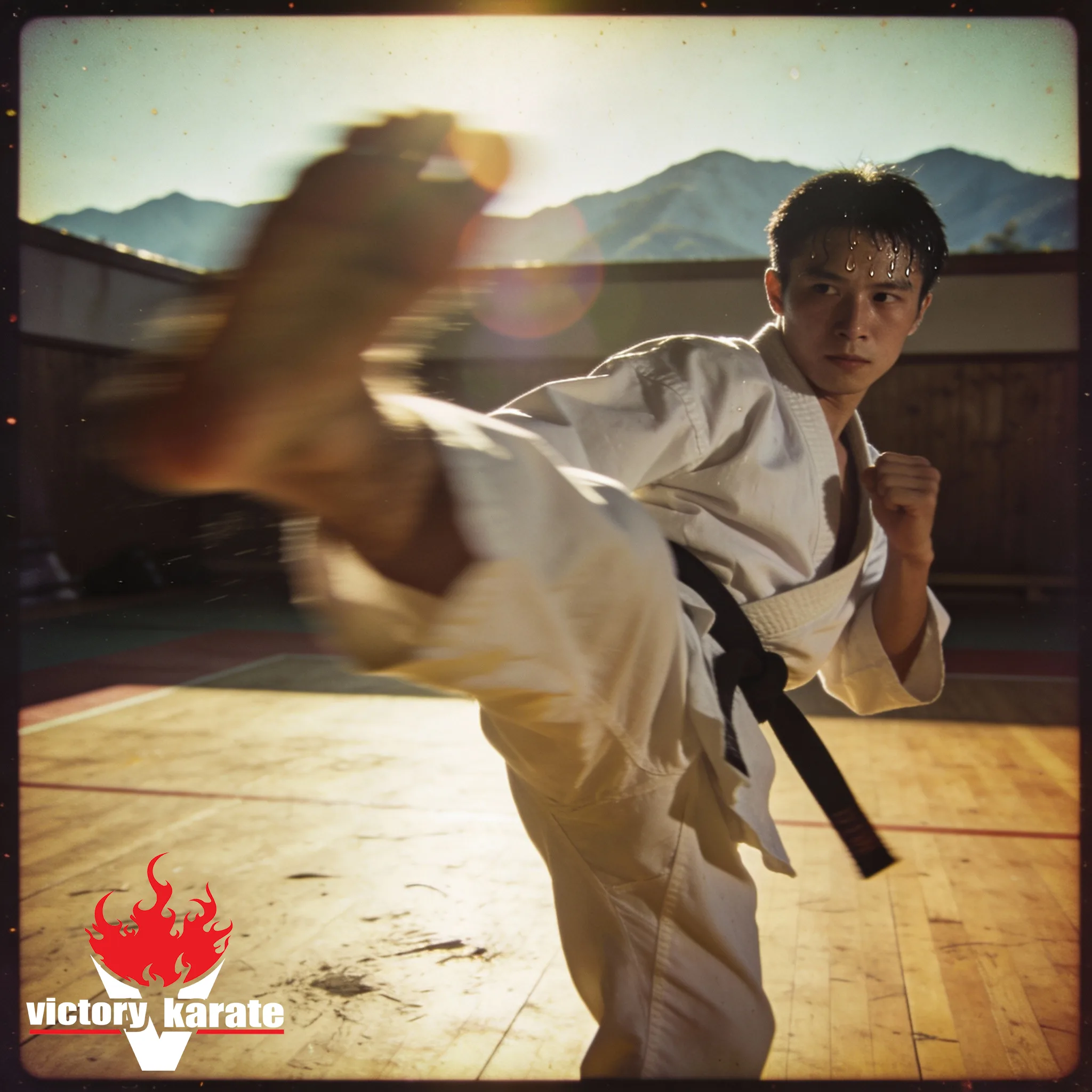
National Karate Pathway Overview
| Level | Typical Age | Requirements | Next Step |
|---|---|---|---|
| Local | Any | Club membership | Regional |
| Regional | 12+ | Local success | State/Provincial |
| State | 14+ | Regional wins | National qualifier |
| National | 16+ | Qualifier placement | International team |
How National Karate Federations Work
Every country with organized karate has a national federation governing the sport. In the United States, USA Karate serves this role. These organizations affiliate with the World Karate Federation (WKF), gaining access to international competition pathways and standardized rules. National karate governance determines who competes, how selection works, and what rules apply.
Federation membership typically requires registering through affiliated clubs or regional organizations. You can't just show up at national championships—the pathway involves progressive qualification through lower-level events. This structure ensures competitors at national karate events have demonstrated consistent performance, not just single lucky tournaments.
Real talk: national federation politics affect athletes more than most realize. Coaching selections, funding allocation, and rule interpretations all involve organizational dynamics that extend beyond pure athletic merit. Understanding how your country's federation operates helps navigate these realities strategically.
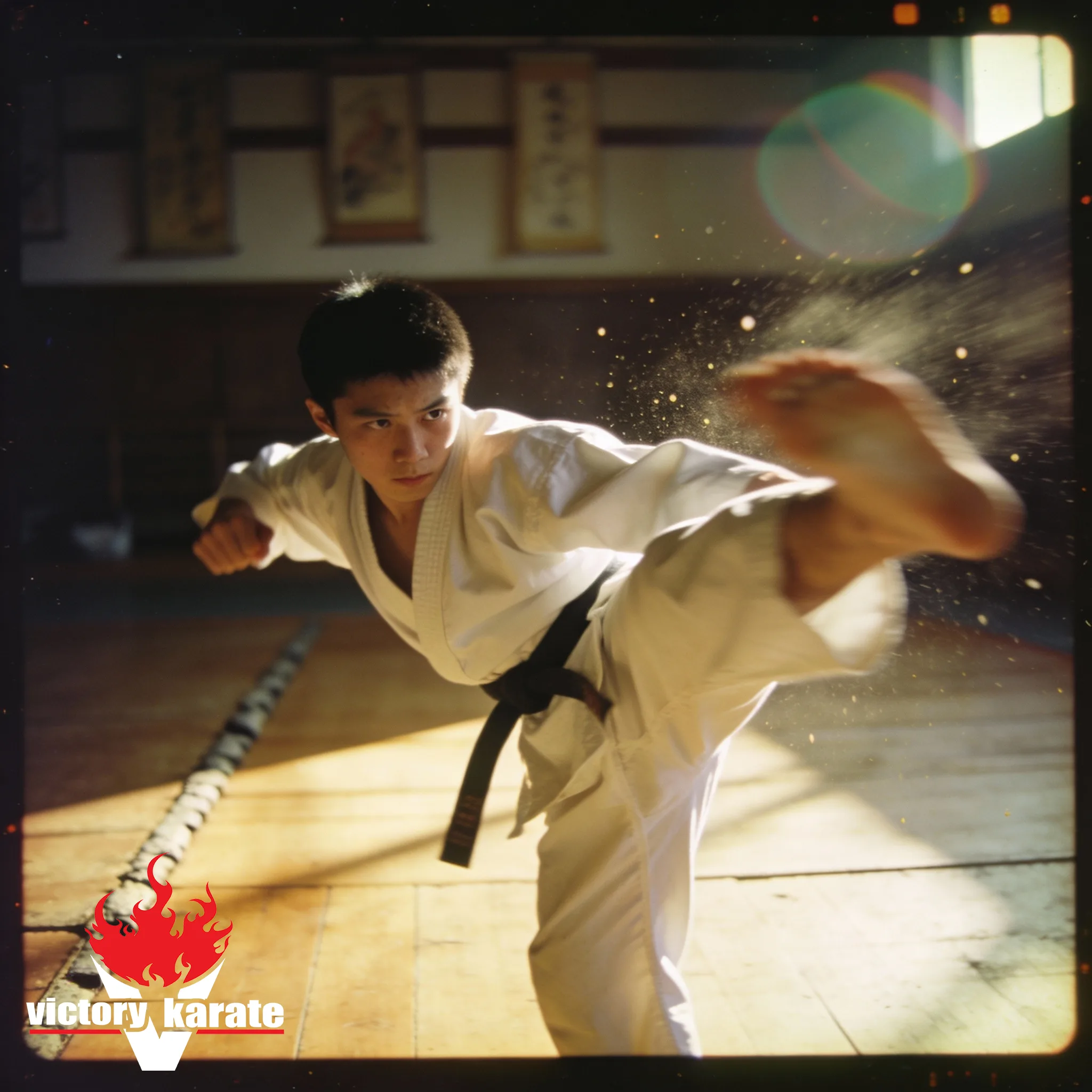
The National Championship Experience
National karate championships feel different from smaller events immediately upon arrival. The venue size, competitor quality, and organizational professionalism operate at another level entirely. Athletes who've dominated regionally often struggle initially with the step up in competition intensity. The adjustment requires both physical preparation and mental recalibration.
Division sizes at nationals typically run larger than regional events. More competitors mean more matches to win for podium placement. The bracket depth tests endurance and consistency in ways smaller tournaments don't. Winning five or six matches against high-level opponents requires peak conditioning and mental stamina throughout long competition days.
- Larger venues with multiple competition areas running simultaneously
- Deeper brackets requiring more consecutive wins for placement
- Stricter judging standards than regional or local competitions
- Higher overall competitor quality across all divisions
Qualifying for National Team Selection
Beyond individual national championship success, the ultimate domestic goal for many competitors is national team selection. Making the team that represents your country at Pan American Championships, World Championships, or potentially Olympic Games requires consistent elite performance over extended periods rather than single breakthrough results.
Selection criteria vary significantly by country but typically combine national karate championship results with international competition performance. Some federations use point accumulation systems tracking performance across multiple events. Others rely on selector committees evaluating athletes holistically beyond pure competitive results. Understanding your federation's specific process helps target efforts appropriately.
A 2023 survey of national team members across twelve countries found that successful selection typically required 5-8 years of dedicated competitive training after beginning serious competition. The timeline varies by talent level and opportunity access, but expecting rapid progress to national representation usually leads to disappointment and premature discouragement.
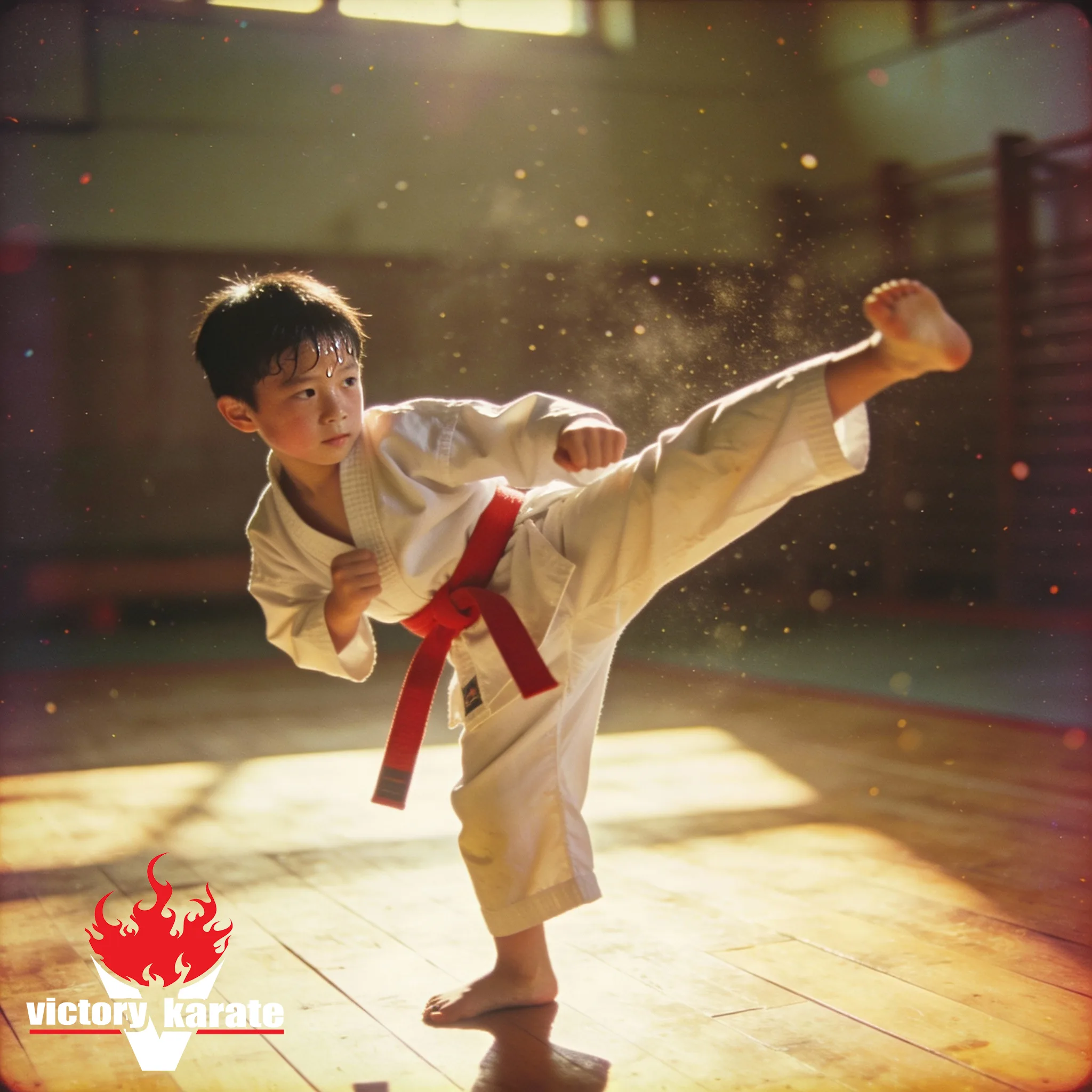
Training Requirements at This Level
National-level competitors typically train 15-25 hours weekly, combining technical practice, sparring, conditioning, and competition preparation. This commitment usually requires structuring life around training—career choices, living arrangements, and relationships all accommodate athletic development. Casual training doesn't produce national champions.
Coaching quality matters enormously at this level. Local instructors may lack experience developing national-caliber athletes. Many serious competitors relocate to train with coaches who've produced previous national team members. Access to high-level training partners and experienced coaching often determines competitive ceiling more than raw talent alone.
Financial Realities of National Competition
Competing at national karate level costs significant money. Tournament entry fees, travel expenses, coaching, equipment, and training facility costs accumulate quickly. A 2022 analysis estimated that competitive karate athletes at national level spend $8,000-15,000 annually on direct competition costs alone—not counting ongoing training expenses.
Annual Cost Breakdown (Estimated)
| Expense Category | Range (USD) |
|---|---|
| Tournament entries (6-10 events) | $600 - $1,500 |
| Travel (flights, hotels, meals) | $3,000 - $8,000 |
| Coaching and private training | $2,000 - $5,000 |
| Equipment and uniforms | $500 - $1,500 |
| Federation membership and insurance | $100 - $300 |
Mental Preparation for National Competition
The psychological demands of national karate competition exceed physical requirements for many athletes. Performing under pressure, managing pre-competition anxiety, and maintaining focus through long tournament days challenge even technically superior competitors. Mental skills training becomes essential at this level.
Visualization, breathing techniques, and pre-performance routines help manage competitive stress. Many successful national-level athletes work with sports psychologists to develop these skills systematically. The investment in mental preparation often produces greater returns than additional physical training hours.
Something I've observed coaching at this level: athletes who handle losses constructively progress faster than those who collapse emotionally after defeats. National competition means losing to excellent opponents sometimes. Processing those experiences as learning opportunities rather than personal failures separates long-term successful competitors from talented flameouts.
- Develop consistent pre-competition routines that manage anxiety effectively
- Practice visualization regularly, not just before important competitions
- Learn from losses without emotional devastation derailing progress
- Consider working with sports psychology professionals for systematic development
Building Competition Experience Strategically
Smart competitors build experience through strategic tournament selection. Competing at every available event burns out athletes physically and financially. Successful national karate competitors carefully choose which competitions serve developmental purposes versus which simply add unnecessary wear. Quality of competition experience matters more than quantity.
Periodization applies to competition scheduling just like training. Peak performance for national championships requires managing competitive load throughout the year. Athletes who compete constantly often arrive at important events already depleted. Building toward key competitions means sometimes skipping lesser events.
International exposure benefits national-level athletes when possible. Competing against fighters from other countries develops adaptability and reveals gaps in preparation. Many federations organize international training camps or competition opportunities for developing athletes. These experiences accelerate growth more than additional domestic events.
Video analysis has become standard practice at national levels. Recording matches and studying them with coaches identifies technical patterns, tactical tendencies, and areas needing improvement. The objective perspective video provides often reveals issues invisible during live competition. Many athletes maintain extensive competition video archives for ongoing study.
Life Balance and Long-Term Success
Life balance challenges intensify at national competition levels. Training demands conflict with education, career development, and personal relationships. Athletes who successfully navigate these tensions typically have strong support systems—family, coaches, and partners who understand and accommodate competitive commitments.
Career planning beyond competition deserves attention even for young national-level athletes. Competitive karate careers typically peak in the late twenties or early thirties. Building coaching credentials, completing education, or developing professional skills while competing ensures successful transitions when athletic careers conclude. Champions who planned ahead transition smoothly; those who didn't often struggle.
The path to national karate excellence isn't linear for most athletes. Setbacks, plateaus, and unexpected challenges appear regularly. Injuries sideline competitors for months. Judging decisions go against deserving athletes. Personal circumstances disrupt training. Resilience through difficulties ultimately determines who achieves national-level success more than initial talent alone.
Frequently Asked Questions
Most federations require placing at regional qualifiers or accumulating sufficient ranking points through approved events.
Youth divisions start around age 10-12; adult national competition typically begins at 16-18.
WKF competition is style-neutral—any practitioner meeting qualifier requirements can compete regardless of rank.
Serious national competitors typically train 15-25 hours weekly with quality coaching.
Technically yes if they qualify, but competition intensity usually requires dedicated competitive training.
National champions typically receive consideration for international team selection representing their country.