Okinawan Karate: The Original Fighting Art
Before karate became a global phenomenon taught in strip mall dojos worldwide, it existed as a secretive fighting system on a small island chain positioned strategically between Japan and China. Okinawan karate represents the original source—the martial art in its purest, most traditional form before mainland Japanese modifications and Western commercial influences reshaped it.
Here's the thing about modern practice: what most people practice today as "karate" has been modified significantly from its Okinawan roots. The original art emphasized practical self-defense, close-range combat, and techniques that modern sport karate rarely teaches. Understanding traditional Okinawan martial arts reveals how much has changed—and what's been lost along the way.
This guide explores authentic Okinawan karate history from its origins to modern practice, the major traditional styles still practiced today around the world, and why serious martial artists increasingly seek out these original methods.
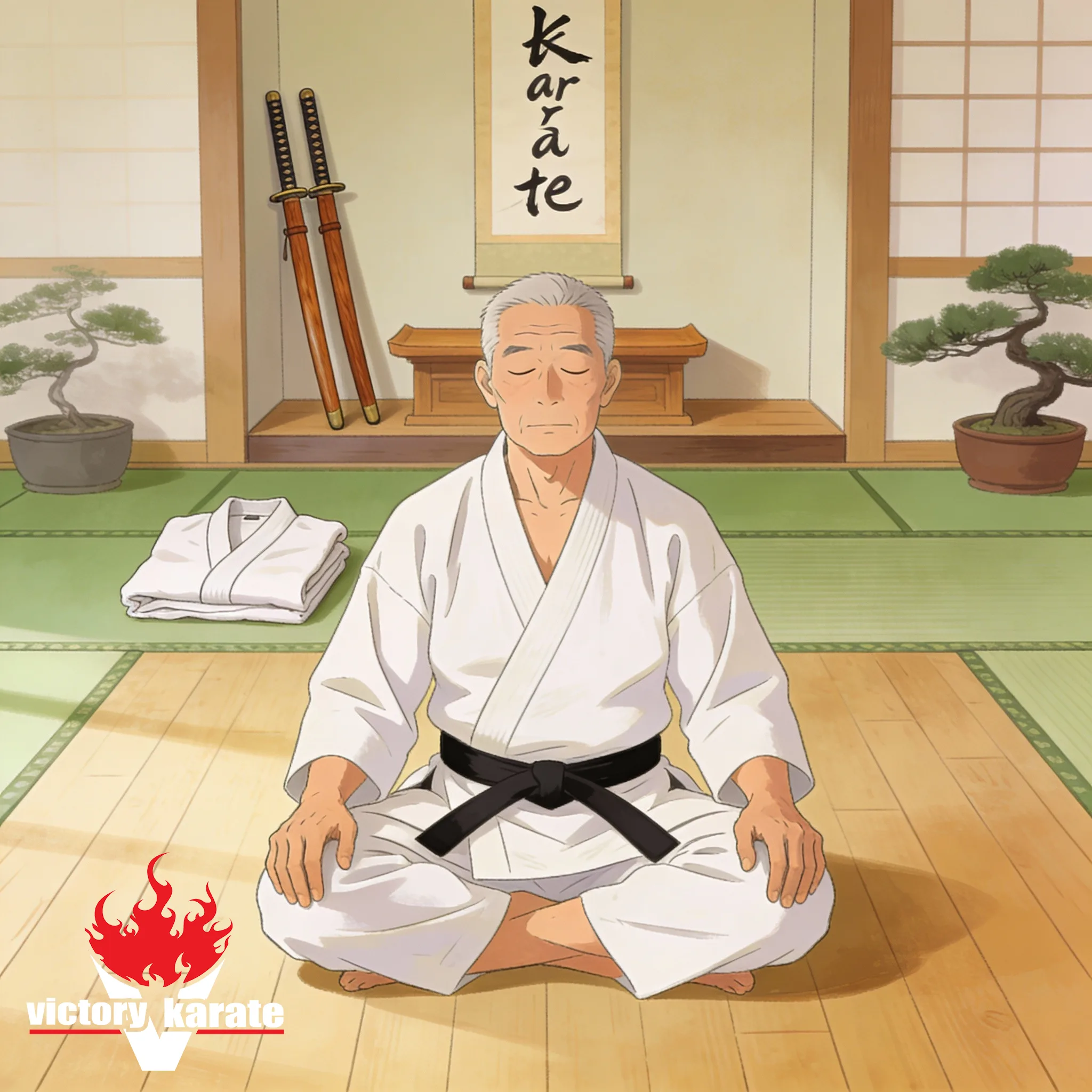
Major Okinawan Karate Styles
| Style | Founder | Emphasis | Character |
|---|---|---|---|
| Goju-ryu | Chojun Miyagi | Hard-soft balance | Close combat |
| Shorin-ryu | Multiple lineages | Speed, agility | Natural stance |
| Uechi-ryu | Kanbun Uechi | Chinese roots | Circular motion |
| Isshin-ryu | Tatsuo Shimabuku | Practical defense | Vertical fist |
Historical Origins of Okinawan Martial Arts
Okinawa's position between China and Japan made it a cultural crossroads for centuries of exchange. Chinese martial arts arrived through trade relationships, diplomatic missions, and immigration. Local fighting methods called "te" (hand) already existed. The fusion created something unique—neither purely Chinese nor purely Japanese, but distinctly Okinawan.
The weapons ban of 1477 (and reinforced in 1609 after Japanese invasion) forced Okinawans to develop empty-hand combat to its highest level. Without swords or spears legally available, traditional Okinawan karate became essential for survival. This pressure created remarkably practical techniques designed for real confrontation, not sport or exercise.
Real talk: the romantic story of peasants fighting samurai with bare hands is somewhat exaggerated. The nobility and merchant classes primarily developed and preserved Okinawan karate history. But the weapons restrictions genuinely shaped how the art evolved—toward maximum efficiency without weapons.
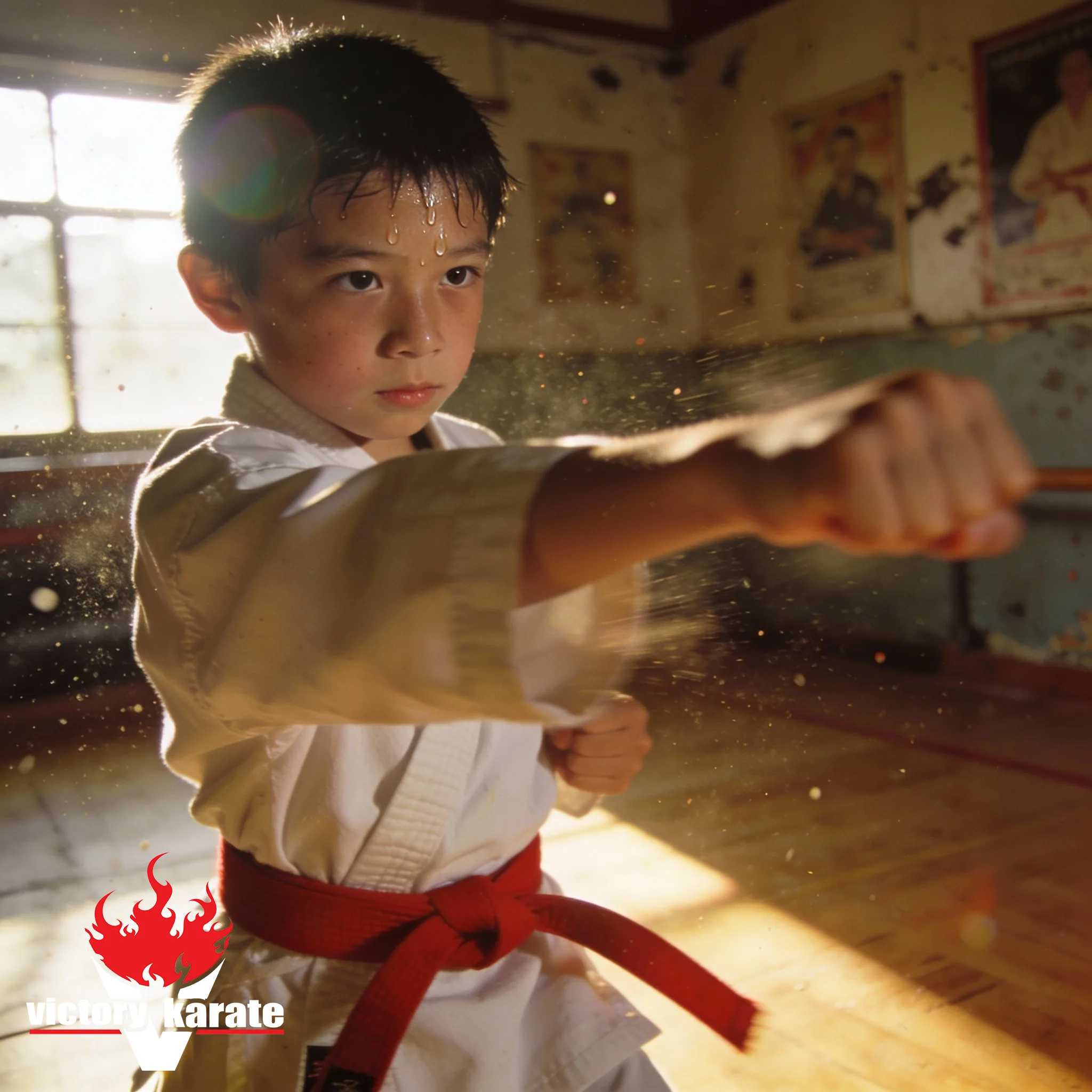
The Three Villages: Shuri, Naha, and Tomari
Traditional Okinawan martial arts developed in three main regions, each producing distinct characteristics. Shuri-te (from the capital) emphasized speed and natural movement. Naha-te incorporated more Chinese influence with breathing techniques and close-range power. Tomari-te blended elements of both. These regional variations eventually became the foundation for modern styles.
Understanding this geography matters because modern styles trace their lineage to specific villages. Shorin-ryu descends from Shuri-te. Goju-ryu comes from Naha-te. The regional character still shows in how these styles approach combat differently despite sharing common techniques.
What Makes Okinawan Karate Different
The differences between authentic Okinawan styles and mainland Japanese or sport karate run quite deep. It's not just technique—it's philosophy, training methodology, and intended purpose. Practitioners who experience both often describe Okinawan karate as "heavier," more direct, and less concerned with appearance.
Stances in traditional Okinawan martial arts tend to be higher and significantly more natural than the deep stances common in Japanese styles. Why? Because low stances look impressive but limit mobility in actual fighting. Okinawan masters optimized for real combat, not for visual impact or competition scoring.
- Natural, mobile stances rather than deep, rooted positions
- Emphasis on close-range combat including grappling elements
- Kata applications (bunkai) focus on practical self-defense
- Body conditioning (hojo undo) using traditional training tools
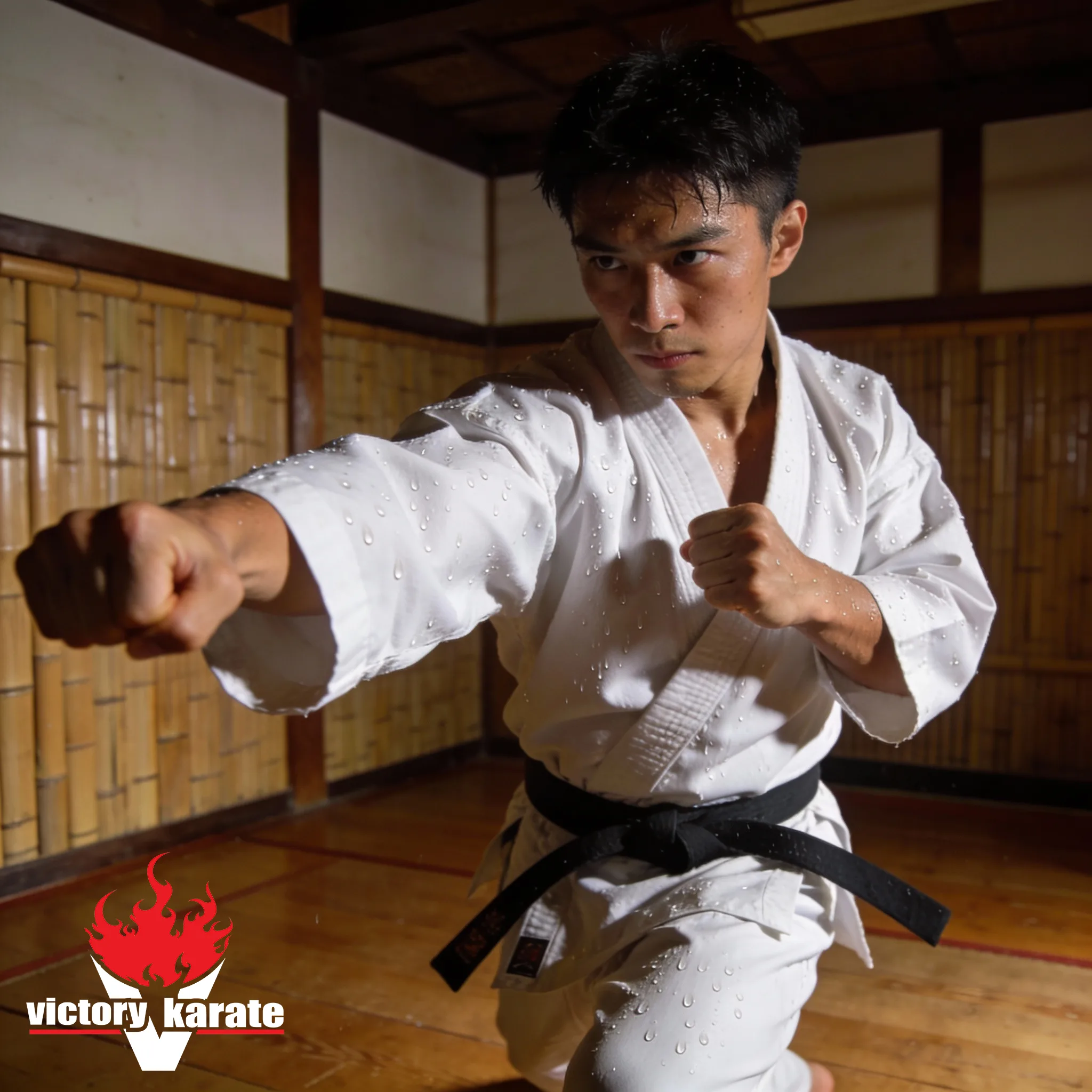
Goju-Ryu: The Hard-Soft Way
Chojun Miyagi founded Goju-ryu in the early 1900s, synthesizing what he learned from his teacher Kanryo Higaonna with his own training in China. The name means "hard-soft style"—reflecting the interplay between tension and relaxation, power and yielding that characterizes the system. Yes, the Karate Kid's Mr. Miyagi was named after this founder.
Goju-ryu emphasizes breathing techniques (ibuki) more than most other Okinawan styles. The distinctive "Sanchin" kata—practiced with dynamic tension and forceful breathing—builds internal strength and teaches proper structural alignment. It looks simple but represents decades of refinement in traditional Okinawan martial arts training methodology.
What struck me training in Goju-ryu: the close-range focus feels almost claustrophobic compared to other styles. Techniques assume you're already grabbed, cornered, or dealing with an attacker at intimate distance. This reflects the art's practical origins rather than sport competition requirements.
Shorin-Ryu: Speed and Natural Movement
Shorin-ryu ("young forest style") represents the Shuri-te lineage and emphasizes speed, natural body mechanics, and efficient movement. Multiple branches exist—Kobayashi, Shobayashi, Matsubayashi—each tracing to different master teachers but sharing common ancestry. The style feels lighter and more mobile than Goju-ryu.
Natural stance work distinguishes Shorin-ryu from many mainland styles. Positions resemble how people actually stand and move rather than artificial postures designed for other purposes. A 2018 biomechanical study found Shorin-ryu practitioners transitioned between techniques 23% faster than practitioners of styles using deeper stances.
Okinawan vs. Japanese Karate Comparison
| Aspect | Okinawan | Japanese/Sport |
|---|---|---|
| Stances | Higher, natural | Lower, formal |
| Range | Close combat | Long range |
| Purpose | Self-defense | Sport/fitness |
| Kata focus | Applications | Performance |
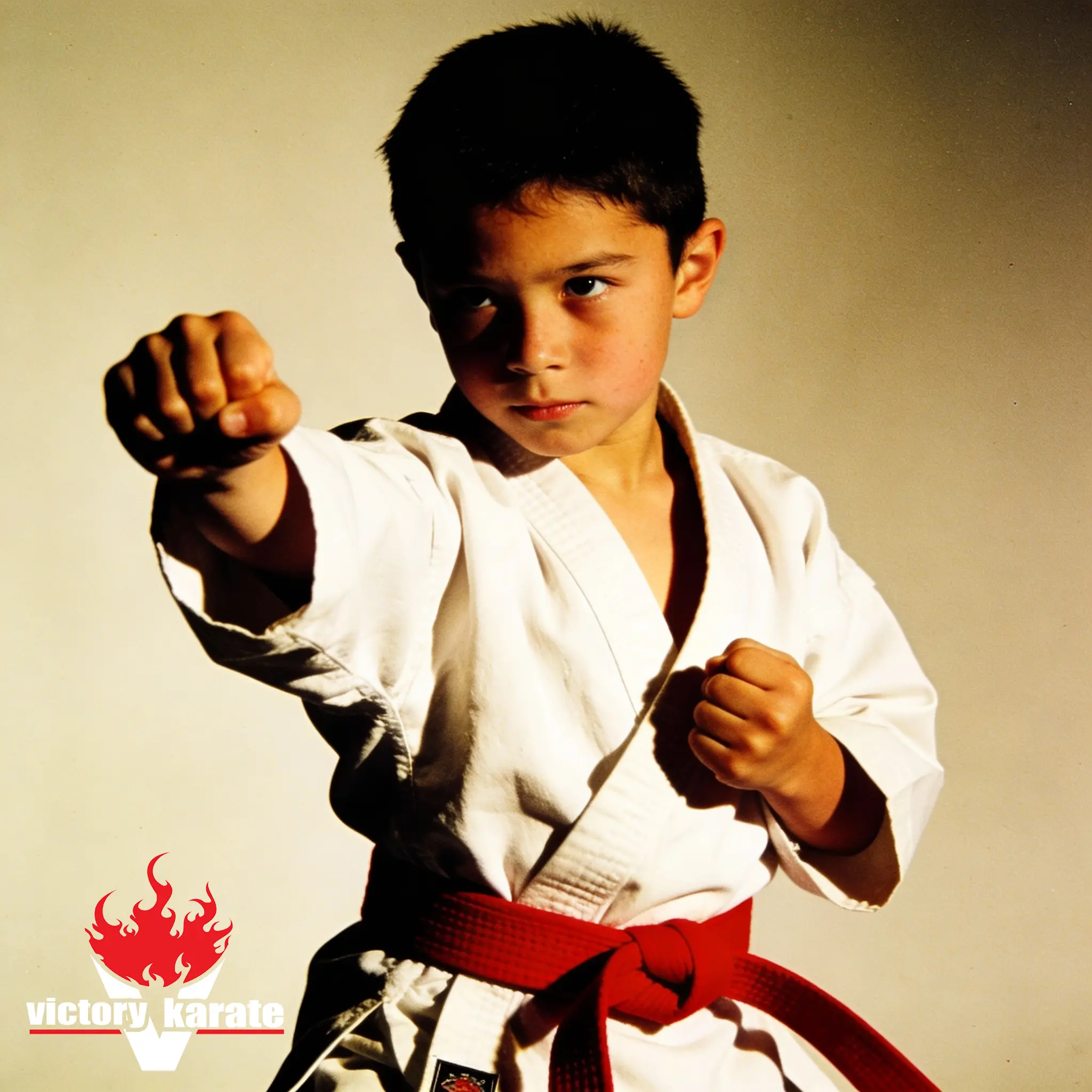
Traditional Training Methods
Okinawan karate training differs substantially from modern commercial dojo methods. Hojo undo—supplementary training using traditional implements—builds functional strength specific to martial applications. Makiwara (striking post), chi-ishi (weighted stone lever), nigiri-game (gripping jars), and kongoken (heavy iron ring) develop capabilities that weight machines simply cannot.
Kata practice in traditional Okinawan styles involves intensive bunkai (application) study that goes far beyond surface interpretation. Each movement has meaning—often multiple meanings at different levels of understanding. Modern sport karate frequently strips away this application focus, leaving only the external form that scores points in competition. Authentic training restores the combat logic that makes kata genuinely valuable for self-defense rather than merely impressive to watch.
Partner training in authentic Okinawan dojo includes kakie (pushing hands exercises similar to tai chi's sensitivity training), tegumi (traditional Okinawan wrestling), and progressive resistance drills that modern commercial schools often skip entirely. These training methods develop sensitivity and timing that solo practice and point-sparring simply cannot provide regardless of how much time you invest in them.
Finding Authentic Okinawan Training
Locating genuine Okinawan karate instruction requires careful research and verification. Many schools claim Okinawan lineage but teach heavily modified versions that bear little resemblance to traditional practice. Look for verifiable instructor credentials—direct training in Okinawa, membership in recognized Okinawan organizations, or clear lineage documentation connecting to known masters in established teaching lineages.
- Verify instructor lineage through recognized Okinawan organizations
- Look for traditional training equipment and methods in regular classes
- Confirm kata applications are taught alongside forms practice
- Ask about trips to Okinawa and ongoing relationships with source schools
The Modern Okinawan Karate Revival
Interest in authentic Okinawan karate history has surged dramatically in recent decades. Practitioners dissatisfied with sport-oriented training seek the original methods. Okinawa itself has become a martial arts pilgrimage destination, with dedicated students traveling to train at source dojos and learn directly from masters who maintain traditional methods passed down through generations.
The cultural tourism aspect benefits Okinawa economically while spreading authentic knowledge globally. Students who train on the island return home as ambassadors for traditional methods, often establishing study groups or formal schools that maintain connection to Okinawan sources. This network preserves and propagates authentic practice more effectively than commercial martial arts franchising ever could.
The Okinawan government designated karate as a prefectural treasure in 2017, establishing the Okinawa Karate Information Center and promoting cultural tourism around martial arts training. This institutional support helps preserve traditional knowledge that commercial pressure might otherwise dilute or destroy entirely. Government recognition legitimizes preservation efforts and provides resources for documentation and education.
A 2020 survey of martial artists who trained in multiple styles found that 82% rated Okinawan karate higher for self-defense applications than Japanese or sport karate systems. The close-range techniques, realistic scenario training, and emphasis on ending confrontations quickly resonated with practitioners seeking practical capability rather than tournament success.
Frequently Asked Questions
Not better—different. Okinawan styles emphasize self-defense; Japanese styles often optimize for sport.
Choose based on available qualified instruction rather than style—a good teacher matters more.
Some practitioners compete, but traditional training prioritizes self-defense over sport competition.
Not necessary, but training with authentic lineage holders—wherever located—provides genuine transmission.
Mastery requires decades; functional basics develop within 2-3 years of consistent practice.
Yes—kobudo (weapons) often trains alongside empty-hand practice in traditional schools.