From Okinawa to Olympics: What Karate Lost—and What It Gained
When karate debuted at the Tokyo 2020 Olympics, it represented both a triumph and a transformation. The art that Okinawan villagers practiced in secret had become a global sport with millions of practitioners. Along the way, it changed profoundly.
Some changes brought undeniable benefits: standardization, safety protocols, international reach. Others stripped away elements that traditionalists consider essential: practical combat skills, holistic development, cultural depth.
This examination traces karate's evolution from village fighting art to Olympic sport, analyzing what survived the journey, what didn't, and whether the tradeoffs ultimately serve practitioners well.
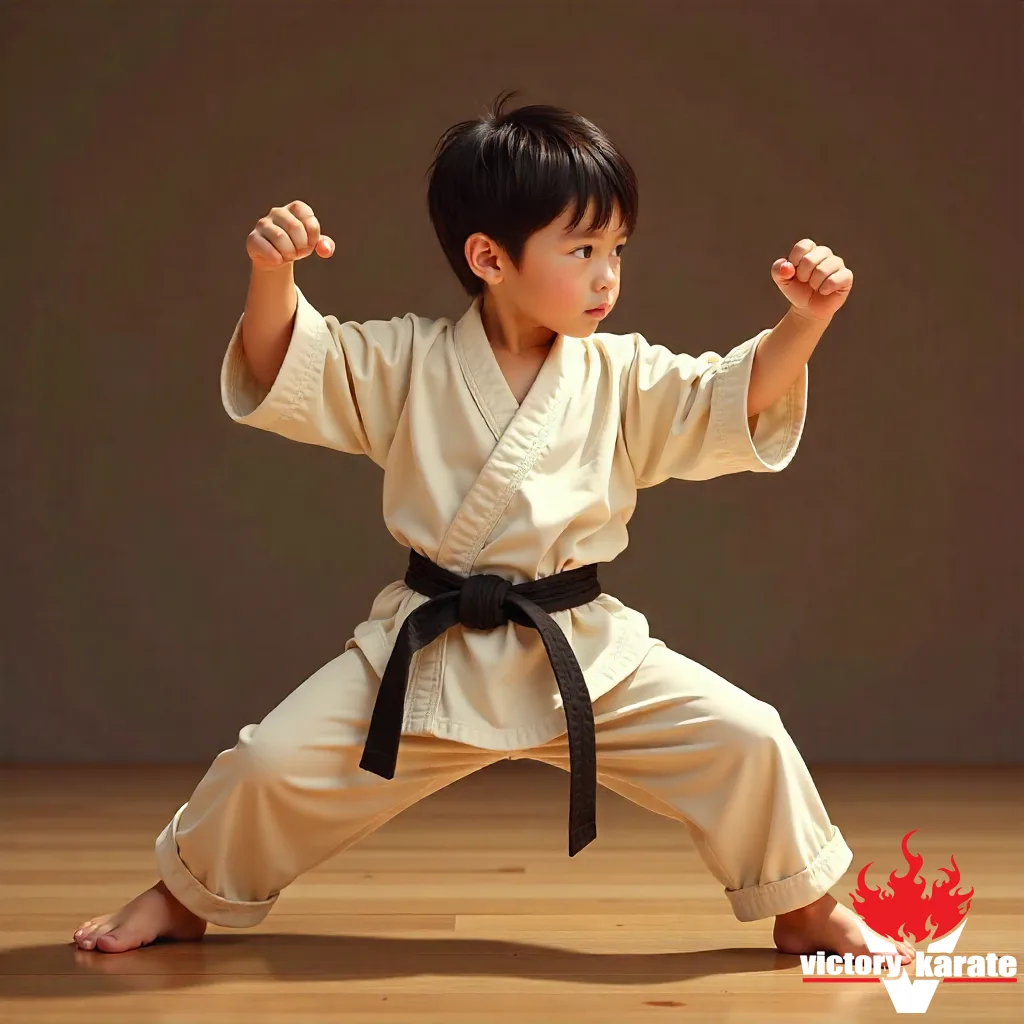
Karate's Major Historical Transitions
| Period | Primary Focus | Key Characteristics |
|---|---|---|
| Pre-1900s | Personal protection | Secret practice, full-contact training, lethal techniques |
| 1900-1930s | School physical education | Group training, simplified forms, character development |
| 1930s-1960s | Japanese budo integration | Formalization, ranking systems, university clubs |
| 1960s-2000s | Sport competition | Point sparring rules, international organizations, athletic emphasis |
| 2020s+ | Olympic sport | WKF standardization, media spectacle, peak athleticism |
The Okinawan Origins
Okinawan karate developed across centuries as a practical fighting system. The Ryukyu Kingdom's 1477 weapons ban and subsequent Japanese occupation in 1609 created conditions where empty-hand combat skills carried genuine survival value. Practitioners trained seriously because their lives might depend on it.
Training methods reflected this reality. Hojo undo conditioning used stone and iron implements to build functional striking power and grip strength. Makiwara practice toughened hands for bare-knuckle impact. Sparring occurred with minimal protection—students learned quickly which techniques worked because failure meant injury.
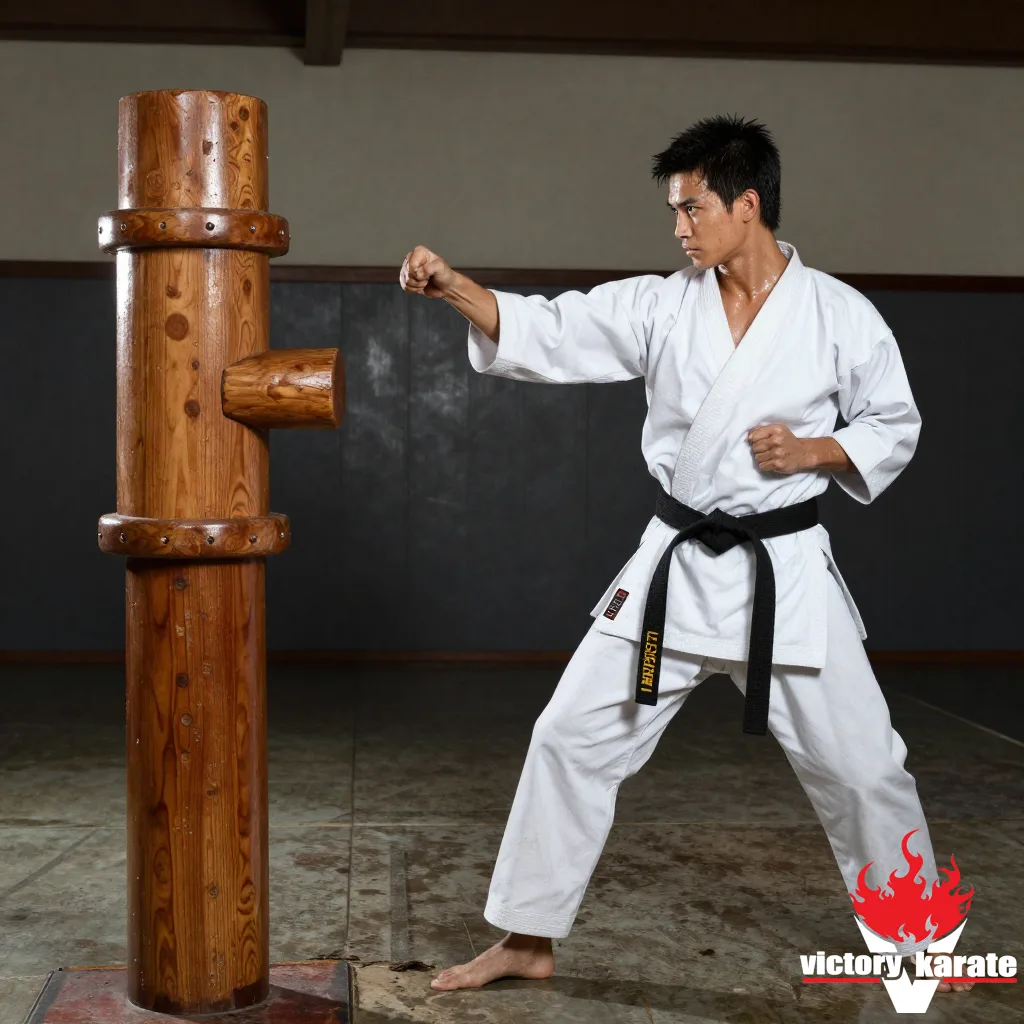
Kata preserved comprehensive fighting knowledge: strikes, joint locks, throws, chokes, pressure point attacks. Nothing was removed because it seemed unsporting or dangerous. The art existed to protect life, not to win trophies. Masters taught small groups of dedicated students over years or decades, transmitting not just technique but understanding.
This original karate was brutal, practical, and effective. It was also poorly suited for mass education, public demonstration, or competitive sport. The modifications that followed would address these limitations—at significant cost to combat authenticity.
The Meiji Modernization
Itosu Anko's 1901 introduction of karate into Okinawan schools began the transformation. Teaching dozens of children simultaneously required different methods than private instruction. Dangerous techniques were removed or hidden. Kata were simplified. Training became regimented. Physical education replaced martial education.
These changes served legitimate purposes. Children couldn't safely practice eye gouges and throat strikes. Group instruction demanded standardization. But the modifications removed precisely the elements that made karate effective for self-defense. The form remained while the function shifted.
Itosu's Pinan kata series exemplified this transformation. These five forms condensed and simplified older kata for mass instruction. They taught movement patterns, built physical fitness, and instilled discipline. They also removed much of the practical application content that made traditional kata valuable for combat preparation.
The educational emphasis shifted karate's purpose from martial effectiveness to character development. Physical education served national goals—creating citizens with strong bodies and disciplined minds. Fighting skill became secondary to these broader social objectives. Karate started becoming something different from what it had been.
The Japanese Transformation
Funakoshi Gichin's 1922 demonstration in Tokyo introduced karate to mainland Japan. Japanese martial arts culture—with its established framework of ranks, formal etiquette, and institutional organization—absorbed and reshaped Okinawan fighting methods.
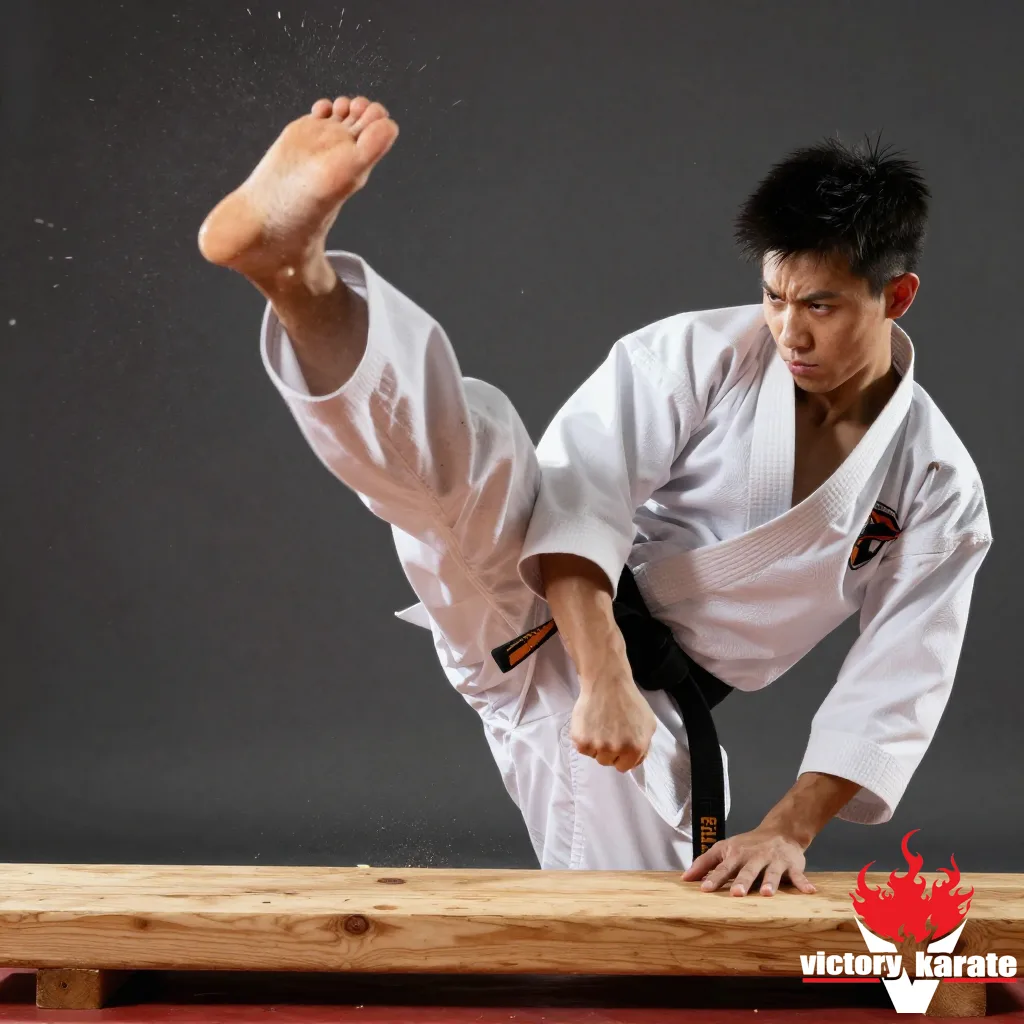
The dan-kyu ranking system, borrowed from judo, provided clear progress markers that traditional Okinawan karate lacked. White uniforms replaced the ordinary clothes in which Okinawans had trained. Japanese terminology replaced Okinawan dialect. Even the name changed—the characters for "karate" shifted from "Chinese hand" to "empty hand" to distance the art from Chinese associations during rising nationalism.
University karate clubs became primary transmission vectors. Young male students trained intensely, competing against rival universities. This competitive pressure accelerated technique development for sport application while de-emphasizing elements irrelevant to matches between peers—weapons defenses, multiple opponent tactics, ground fighting.
Fragmentation accompanied institutionalization. Various masters established their own organizations, each claiming authority and developing distinctive technical emphases. Shotokan, Goju-ryu, Wado-ryu, Shito-ryu—the major styles crystallized during this period, each representing a particular teacher's interpretation of Okinawan foundations.
The war years interrupted karate's development but also spread it globally. Japanese soldiers and American occupiers carried karate knowledge worldwide. Dojos opened across Europe, the Americas, and eventually every continent. This expansion multiplied practitioners while dispersing authority and creating conditions for further diversification.
Post-war commercialization accelerated changes. Karate schools needed students to survive economically. Student retention required visible progress markers and engaging activities. Belt systems, competitions, and family-friendly classes attracted customers. The dojo became a business as much as a training hall.
The Sport Karate Revolution
Competitive sparring required rules that made karate safe for regular practice. The solution—controlled contact with protective equipment, point-based scoring for clean techniques—created an activity that looked like fighting but operated under fundamentally different principles.
Adaptations required by sport competition:
- Long-range engagement replaced close-range combat to enable referees to see techniques clearly
- Bouncing mobility replaced solid stances because points required reaching opponents, not destroying them
- Hand techniques prioritized scoring zones on the body while leg techniques targeted the head for dramatic points
- Grappling, throws, and continued attack after scoring became prohibited rather than essential
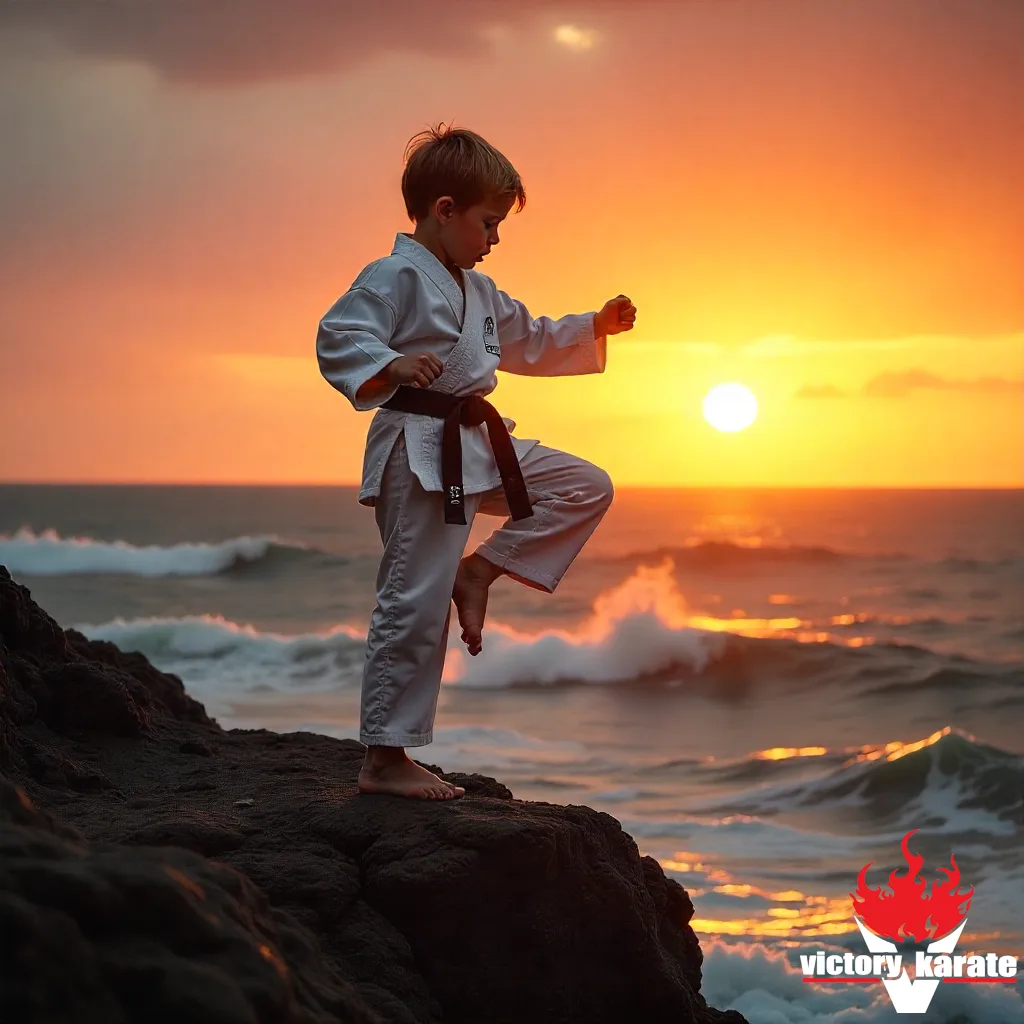
These rules produced a highly specialized athletic activity. Elite competitors developed extraordinary speed, timing, and precision within the ruleset. Their skills translated poorly to actual fighting scenarios—but actual fighting wasn't the goal. Winning matches was.
The WKF Standardization
The World Karate Federation emerged as the governing body that could satisfy Olympic requirements. Its standardization efforts created uniform rules, referee certifications, and approved kata lists. Olympic inclusion demanded this organization—the IOC wouldn't accept a fragmented sport with incompatible rule systems.
Standardization came with costs. Kata judging criteria favored athletic performance—explosive power, deep stances, theatrical presentation. Traditional kata performed with subtle understanding of application scored poorly against flashy athletic interpretations. The pressure to win reshaped how kata were practiced and taught.
Kumite rules similarly privileged certain technical approaches. The three-meter square ring, specific scoring criteria, and match duration created an environment rewarding particular strategies. Techniques that worked beautifully under these rules might fail entirely under different constraints or no constraints at all.
The Olympic achievement represented karate's ultimate mainstream acceptance—and its most complete transformation into spectator sport. Television-friendly formats, dramatic presentation, and athlete storylines took precedence over technical depth. The world watched karate, but what they watched bore limited resemblance to village self-defense arts.
What Karate Lost
The catalog of losses extends beyond technique to encompass training methodology, cultural transmission, and underlying purpose. Each modification served modernization goals while sacrificing something from the original art.
| Lost Element | Reason for Loss | Impact |
|---|---|---|
| Close-range techniques | Sport rules require visible techniques | Reduced self-defense relevance |
| Grappling and throws | Separated into judo domain | Incomplete fighting system |
| Bunkai knowledge | Not needed for competition | Kata becomes empty form |
| Conditioning methods | Modern fitness alternatives | Disconnect from traditional culture |
| Master-student transmission | Mass class economics | Depth replaced by breadth |
Perhaps most significant was the loss of combat mindset. Original karate assumed conflict meant life-threatening danger. Modern sport karate assumes controlled exchanges between consenting competitors with referees ready to intervene. These fundamentally different contexts produce fundamentally different training emphases.
What Karate Gained
The transformation brought genuine benefits that traditionalist critics sometimes overlook. Millions now practice an art that would have remained obscure without modernization. Athletic development has reached unprecedented heights. Safety improvements allow lifelong practice.
Positive developments from karate's evolution:
- Global accessibility—anyone with internet access can find quality instruction through video resources
- Scientific training—sports science methods optimize athletic development in ways tradition couldn't
- Clear progression—ranking systems provide motivation and measurable achievement markers
- International community—practitioners connect across cultures through shared practice and competition
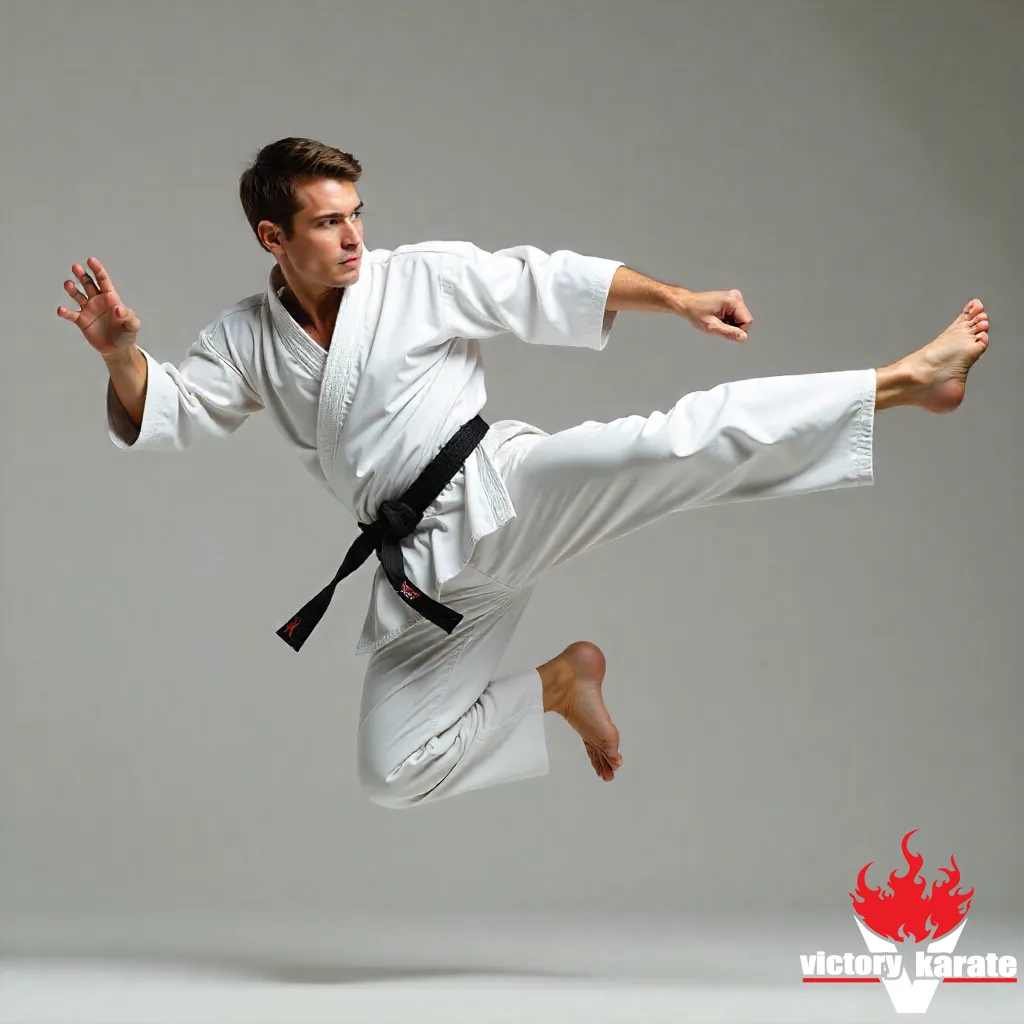
Competition itself offers developmental benefits unavailable through traditional training. Testing skills against resisting opponents reveals weaknesses that cooperative practice hides. The pressure of performance builds mental toughness. Elite competition pushes human potential boundaries in ways that isolated training cannot.
The Olympic platform brings legitimacy and resources that benefit all karate practitioners. Media coverage introduces the art to potential students. Athlete funding supports full-time training. Facility development improves training environments. These spillover effects reach beyond competitive circles.
Safety improvements deserve recognition. Traditional training methods produced injuries that ended careers and caused lasting damage. Modern protective equipment, controlled contact rules, and medical oversight allow practitioners to train hard while minimizing unnecessary harm. Longevity in training matters—the art serves best those who can practice for decades.
Children's programs developed pedagogical approaches appropriate for young learners. Age-appropriate instruction, positive reinforcement methods, and developmental awareness were absent from traditional adult-focused training. Modern children's karate, while differing from historical practice, serves young students appropriately.
Documentation and preservation improved tremendously. Video recording, published texts, and digital archives ensure that technical knowledge survives even when direct lineages break. Future generations can study historical footage, compare stylistic variations, and access teaching that geography or timing once would have made impossible.
Navigating the Tradeoffs
Modern practitioners must decide which aspects of karate serve their purposes. Those seeking Olympic competition need WKF sport karate. Those seeking self-defense need traditional methods. Those seeking physical fitness can find it through either path. Few can optimize for everything simultaneously.
Hybrid approaches attempt to preserve traditional knowledge while engaging with sport opportunities. Some dojos teach bunkai alongside competition kata, traditional conditioning alongside modern fitness, self-defense scenarios alongside point sparring. This comprehensive approach demands more time and may produce lesser competitive results, but develops more complete martial artists.
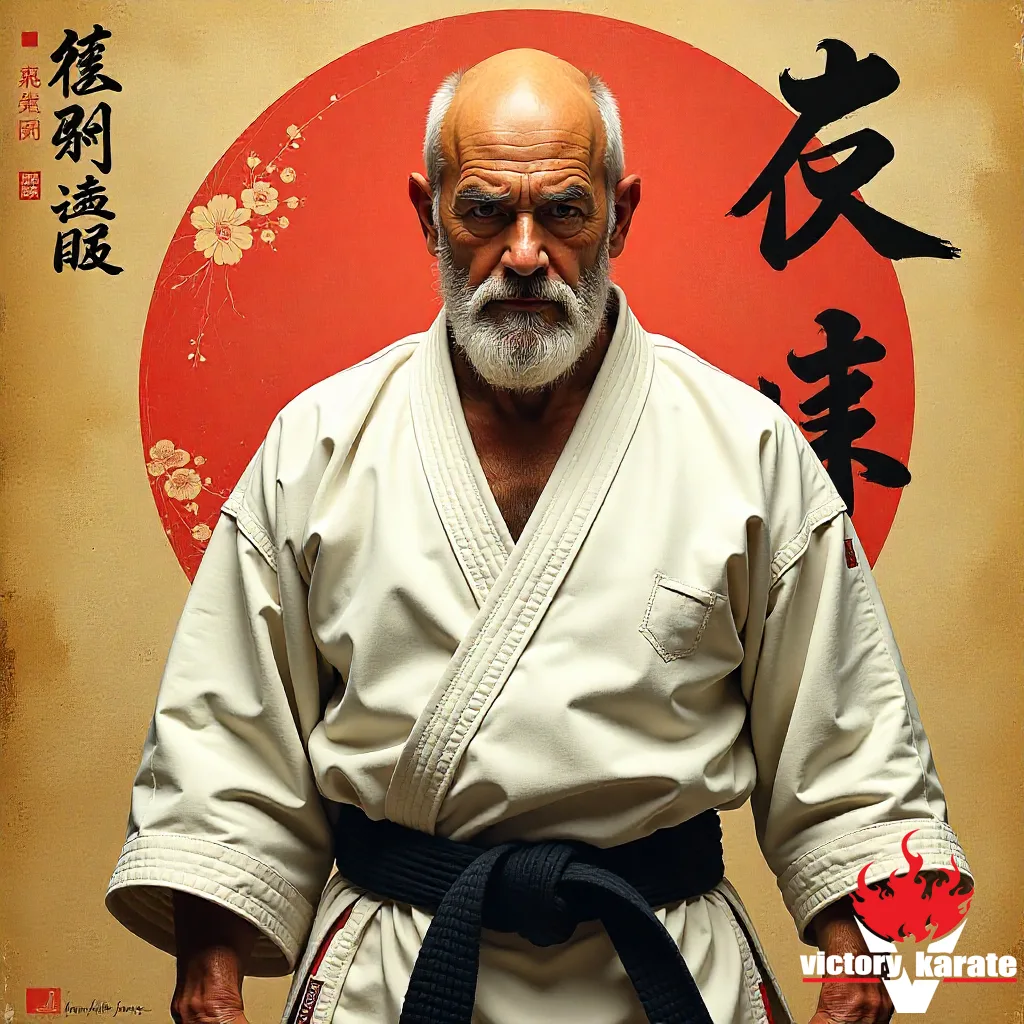
The journey from Okinawa to Olympics transformed karate beyond recognition in some respects while preserving core elements in others. Solo kata practice continues worldwide. Traditional dojo etiquette persists. The fundamental techniques—punches, kicks, blocks, stances—remain recognizable across a century of change.
Whether these continuities represent essence preserved or merely surface similarity over deeper transformation depends on one's perspective and priorities. The debate will continue as karate evolves further. What seems certain is that the art will keep changing, shaped by practitioner needs, institutional pressures, and cultural contexts that differ from anything historical masters could have imagined.
The Okinawan masters who created karate sought to protect themselves and their communities through effective fighting skills. Their successors sought to build character in schoolchildren, win competitions, entertain television audiences, and achieve Olympic recognition. Each goal reshaped the art in its image. The karate we practice today reflects all these influences—an accumulation of purposes that sometimes harmonize and sometimes conflict.
Frequently Asked Questions
Sport karate is a legitimate evolution of the art optimized for competitive contexts, though it differs significantly from historical combat-focused practice.
Traditional methods remain effective when trained with realistic pressure testing, though many modern dojos teach watered-down versions lacking practical application.
Host cities choose optional sports, and Paris prioritized other activities—karate remains a recognized Olympic sport eligible for future inclusion.
Okinawan styles like Uechi-ryu and Goju-ryu generally preserved more traditional elements than Japanese-developed styles, though individual school practices vary widely.
Choose based on your goals—sport karate for competition, traditional karate for self-defense focus, or seek schools offering comprehensive training in both.
Both—Olympic recognition brought visibility and resources while accelerating sport-specific adaptations that further distance competitive practice from traditional roots.