Does Ralph Macchio Really Know Karate? The Truth Revealed
Does Ralph Macchio know karate? This question has fascinated fans since The Karate Kid premiered in 1984. The actor who portrayed Daniel LaRusso made martial arts look natural on screen, leaving audiences wondering about the real vs acting distinction in his famous fight sequences. The truth involves intensive Hollywood training, skilled fight choreography, and decades of continued practice.
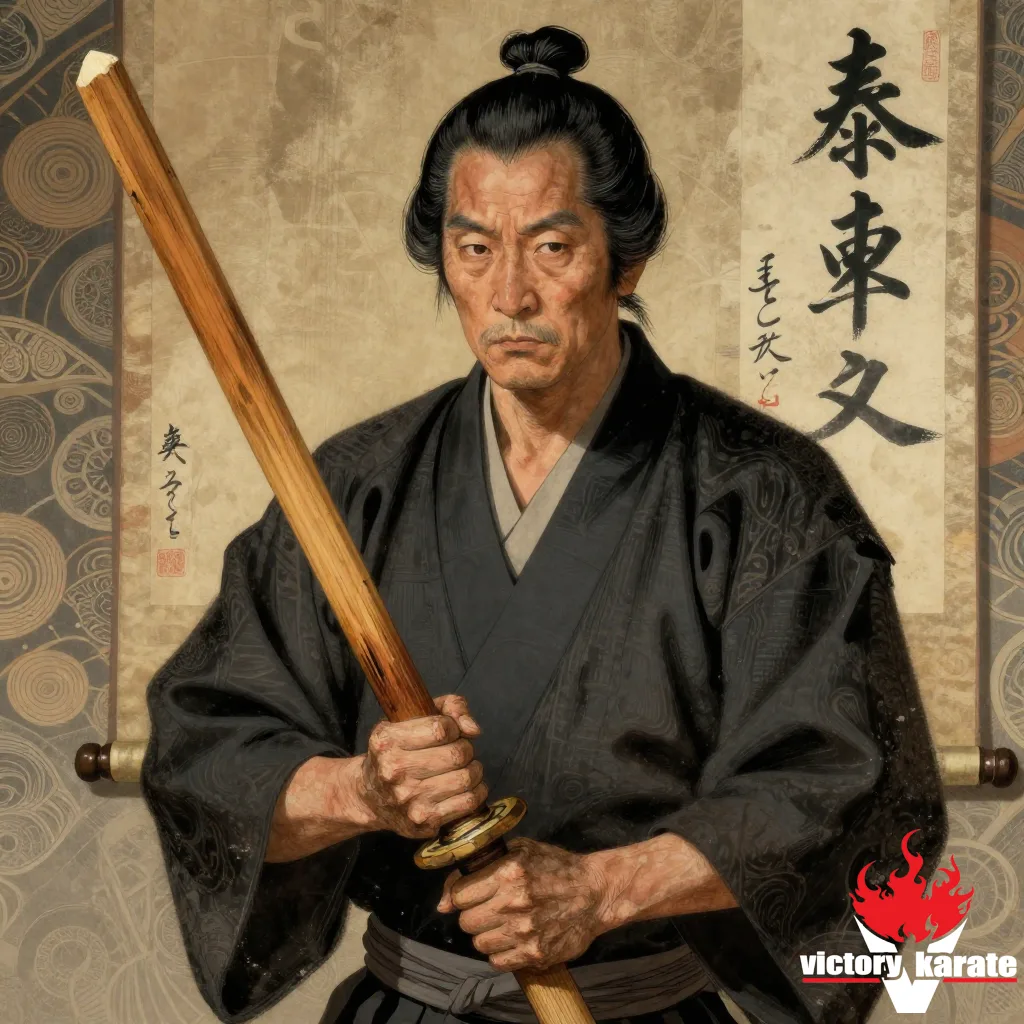
Ralph Macchio martial arts abilities represent an interesting case study in celebrity martial arts—actors who develop genuine skills through film work rather than traditional dojo training. His Karate Kid training transformed him from a complete novice into someone capable of performing convincing action sequences that defined his career.
This examination explores the behind the scenes reality of Macchio's martial arts journey, from initial actor training through his Cobra Kai skills decades later. Understanding what martial arts actors actually learn provides insight into how Hollywood creates believable combat on screen.
Ralph Macchio's Martial Arts Training Timeline
| Period | Training Focus | Instructor |
|---|---|---|
| Pre-1984 | No martial arts background | N/A |
| 1983-1984 | Karate Kid film preparation | Pat E. Johnson |
| 1985-1989 | Sequels and continued practice | Pat E. Johnson |
| 2018-present | Cobra Kai action sequences | Hiro Koda, stunt team |
The Original Karate Kid Training
Ralph Macchio had zero martial arts experience when cast as Daniel LaRusso. The 22-year-old actor faced the challenge of convincingly portraying a teenager learning karate on screen while actually learning the art himself. This parallel journey—character and actor both as beginners—added authenticity that audiences sensed even without knowing the behind the scenes reality.
Pat E. Johnson served as the film's martial arts coordinator and Macchio's primary instructor. Johnson brought impeccable credentials—he held multiple black belts and had worked with Bruce Lee. His task: transform an actor with no fighting background into someone who could execute convincing karate techniques on camera.
The actor training program began months before principal photography. Johnson focused on the specific techniques the script required rather than comprehensive martial arts education. Macchio learned the movements needed for his scenes—basic stances, blocks, the famous crane kick, and the fight choreography for tournament sequences.
This approach typifies Hollywood training—practical skill development targeting film requirements rather than traditional martial arts progression. Macchio didn't earn belt rankings during this period. Instead, he developed movement quality, timing, and camera awareness that made his techniques photograph well regardless of technical perfection.
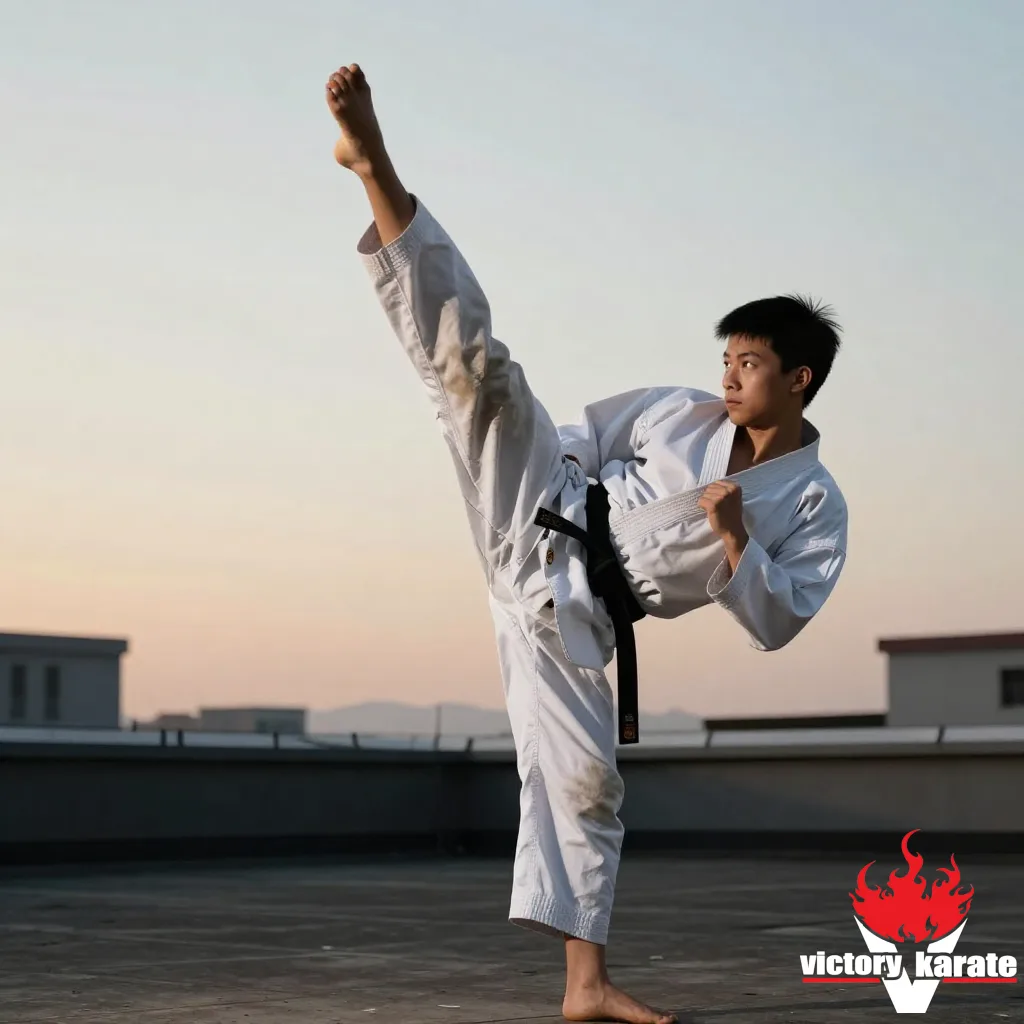
Pat E. Johnson's Training Methods
Johnson's experience with martial arts actors informed his approach with Macchio. He understood that film fighting differs fundamentally from real combat. Movements must be larger and cleaner for cameras. Timing must allow reaction shots. Techniques must sell to audiences unfamiliar with martial arts nuance.
The training emphasized karate's external appearance—proper form, sharp movements, and the aesthetic elements that communicate skill to viewers. Macchio developed muscle memory for the specific sequences needed while building general physical conditioning. The goal was performance quality rather than fighting capability.
Johnson also taught Macchio basic karate philosophy and terminology. Understanding the cultural context helped the actor portray Daniel's transformation from skeptical student to respectful practitioner. This knowledge informed his performance beyond physical movement, creating the emotional authenticity that elevated the film above standard sports movies.
The Crane Kick: Real Technique or Movie Magic?
The iconic crane kick represents an interesting case in the real vs acting debate. Macchio genuinely performed the standing crane pose—one leg raised, arms extended—that became the film's signature image. The balance and control required real physical skill that he developed through training.
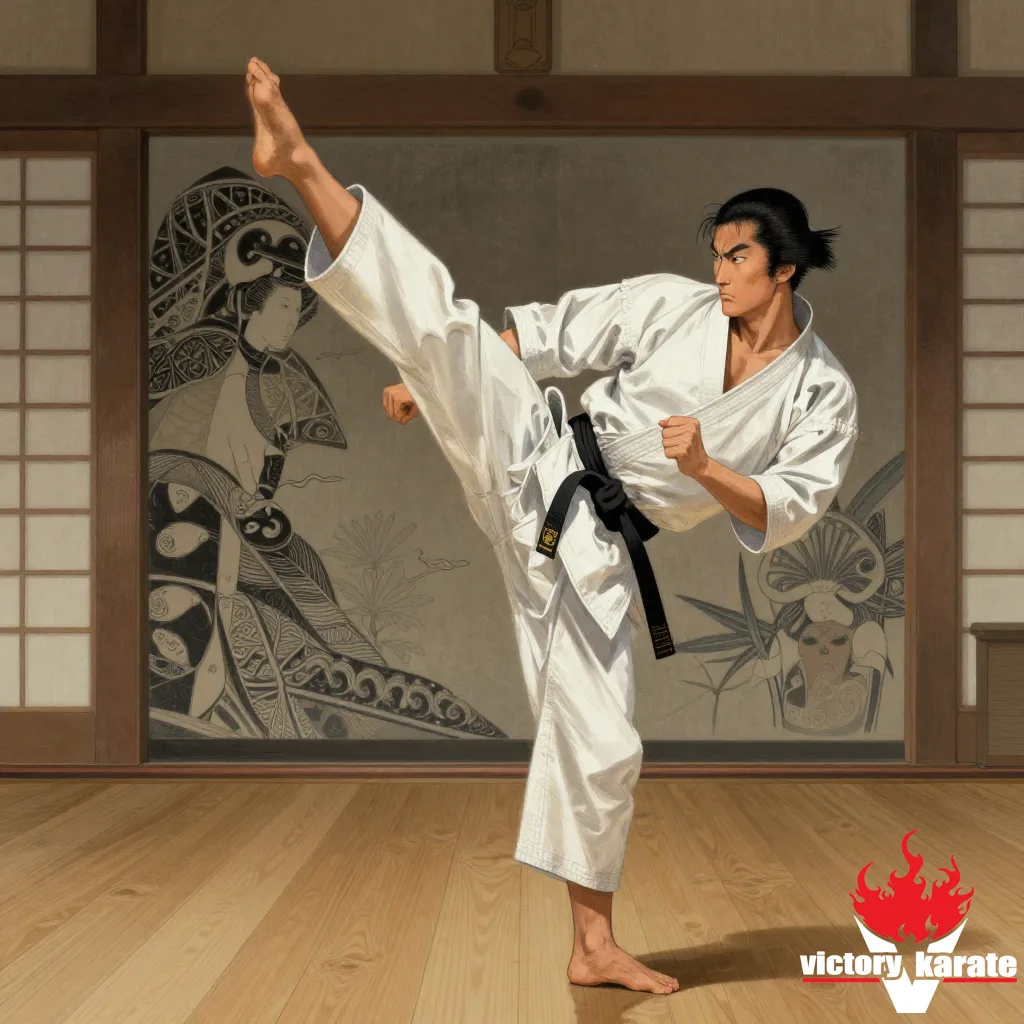
However, the kick as executed in the film doesn't represent practical karate technique. Pat Johnson designed the move specifically for cinematic impact rather than martial arts application. Real jumping front kicks exist, but the crane kick's theatrical execution—the dramatic pause, the high chamber—serves visual storytelling rather than combat effectiveness.
Macchio spent considerable time perfecting the balance required for the crane stance. Maintaining that position while shooting multiple takes demanded genuine physical control. The final kick to William Zabka's face was carefully choreographed and rehearsed to ensure both actors' safety while achieving the dramatic impact the scene required.
Movie Stunts: What's Real vs. Choreographed
| Element | Macchio Performs | Stunt Double |
|---|---|---|
| Crane stance balance | Yes | No |
| Basic punches and kicks | Yes | No |
| Tournament fight sequences | Mostly | Some |
| Dangerous falls and impacts | Limited | Yes |
The Role of Stunt Doubles
Like most action films, The Karate Kid employed stunt doubles for certain sequences. These skilled professionals performed movements too dangerous or technically demanding for the lead actor. Movie stunts require specific training beyond what time-limited film preparation provides, making stunt doubles essential for maintaining both safety and quality.
However, Macchio performed significantly more of his own action sequences than many martial arts actors. His training allowed credible execution of most fight choreography needed for close-up shots. Stunt doubles primarily handled wide shots requiring acrobatic elements or sequences with higher injury risk.
The seamless integration of actor and stunt double footage creates the illusion of a single performer throughout action sequences. Careful editing, matching wardrobe, and similar body types allow this combination to pass unnoticed by audiences. This represents standard Hollywood practice rather than any deception specific to Macchio.
Fight Choreography Process
Fight choreography in films differs substantially from real martial arts combat. Choreographers design sequences for visual impact, narrative purpose, and actor safety. Each punch, kick, and reaction gets planned, rehearsed, and timed precisely. Nothing happens spontaneously during filming.
Elements of professional fight choreography:
- Pre-visualization through storyboards and rehearsal videos
- Extensive rehearsal periods before filming begins
- Camera angles chosen to enhance apparent impact of strikes
- Sound effects added in post-production to sell contact
- Multiple takes assembled in editing for optimal final sequence
Cobra Kai Skills: Decades of Development
When Cobra Kai launched in 2018, Macchio returned to action sequences after nearly three decades away from the franchise. His Cobra Kai skills demonstrate considerable ability for an actor in his late fifties, though they also benefit from experienced stunt coordination and careful shooting.
Macchio has stated in interviews that he maintained some karate practice during the years between Karate Kid Part III and Cobra Kai. This occasional training preserved fundamental movements even as age inevitably affected his physical capabilities. The muscle memory developed during intensive film preparation persisted across decades.
Cobra Kai's production accommodates Macchio's abilities realistically. Action sequences choreography considers his age while still delivering satisfying martial arts content. Strategic editing, favorable camera angles, and skilled stunt doubles supplement what the actor performs himself. The result looks impressive without requiring impossible physical feats.
The show's stunt coordinator Hiro Koda brings decades of experience designing action for actors of varying skill levels. His team works closely with Macchio to maximize what the actor can convincingly perform while disguising limitations through filmmaking technique. This collaboration produces fight sequences that satisfy fans without endangering the performer.
Current Martial Arts Assessment
So does Ralph Macchio know karate? The answer is nuanced. He possesses legitimate karate knowledge—proper form, correct terminology, understanding of principles—far beyond the average person. His decades of film work required learning real techniques even if optimized for camera rather than combat.
However, he never trained in the traditional dojo pathway that produces belt rankings and competitive fighters. His skills are specifically cinematic—developed for film performance rather than self-defense application or tournament competition. This distinction matters when comparing him to traditionally trained martial artists.
Macchio's martial arts reality:
- Genuine knowledge of karate fundamentals acquired through professional instruction
- Skills optimized for film performance rather than real combat application
- No formal belt ranking from traditional martial arts training
- Continued practice maintaining abilities across four decades of the franchise
Comparison to Other Martial Arts Actors
Macchio occupies middle ground among celebrity martial arts practitioners in Hollywood. Some actors bring extensive pre-existing training—Bruce Lee held legitimate martial arts credentials before entering film. Others learn nothing beyond what choreographers feed them shot by shot.
His situation most resembles actors like Keanu Reeves in The Matrix—performers who developed substantial skills specifically for film roles, then maintained those abilities across sequels and related projects. This level of dedication produces real capability even without traditional training backgrounds.
The behind the scenes reality of Hollywood action films involves more training than audiences might assume. Studios invest significantly in preparing actors for physical roles. The difference between Macchio and random celebrity martial arts claims comes down to documented, professional training versus superficial exposure.
Ralph Macchio martial arts abilities earned through decades of film work represent genuine skill, even if that skill developed through unconventional means. He can legitimately claim karate knowledge while acknowledging that his expertise serves performance rather than traditional martial arts mastery.
Frequently Asked Questions
No—Macchio never pursued formal belt ranking through traditional martial arts training despite his extensive film training.
He performed most action sequences himself, with stunt doubles handling dangerous or technically demanding elements.
Pat E. Johnson, a multi-discipline black belt who had trained with Bruce Lee, served as martial arts coordinator.
The pose is based on karate movements, but the specific execution was designed for cinematic impact rather than practical application.
His training focuses on film performance—real combat ability differs significantly from choreographed movie fighting.
Yes—he prepares specifically for action sequences and has maintained karate practice between productions.