Is Karate Effective in a Real Fight? An Honest Assessment
The question haunts every karate practitioner at some point: would this actually work if someone attacked me? Internet forums overflow with opinions ranging from "karate is deadly" to "it's useless in real fights." Neither extreme captures the truth.
Real-world effectiveness depends on how you train, what you train, and who's attacking you. Some karate practitioners have successfully defended themselves in violent encounters. Others have frozen or failed despite years of training. The art itself provides tools—whether those tools prove useful depends on factors beyond the style name.
This analysis examines karate's street effectiveness honestly, identifying both genuine strengths and real limitations. Understanding both sides helps practitioners train smarter and hold realistic expectations about what their art can and cannot deliver.
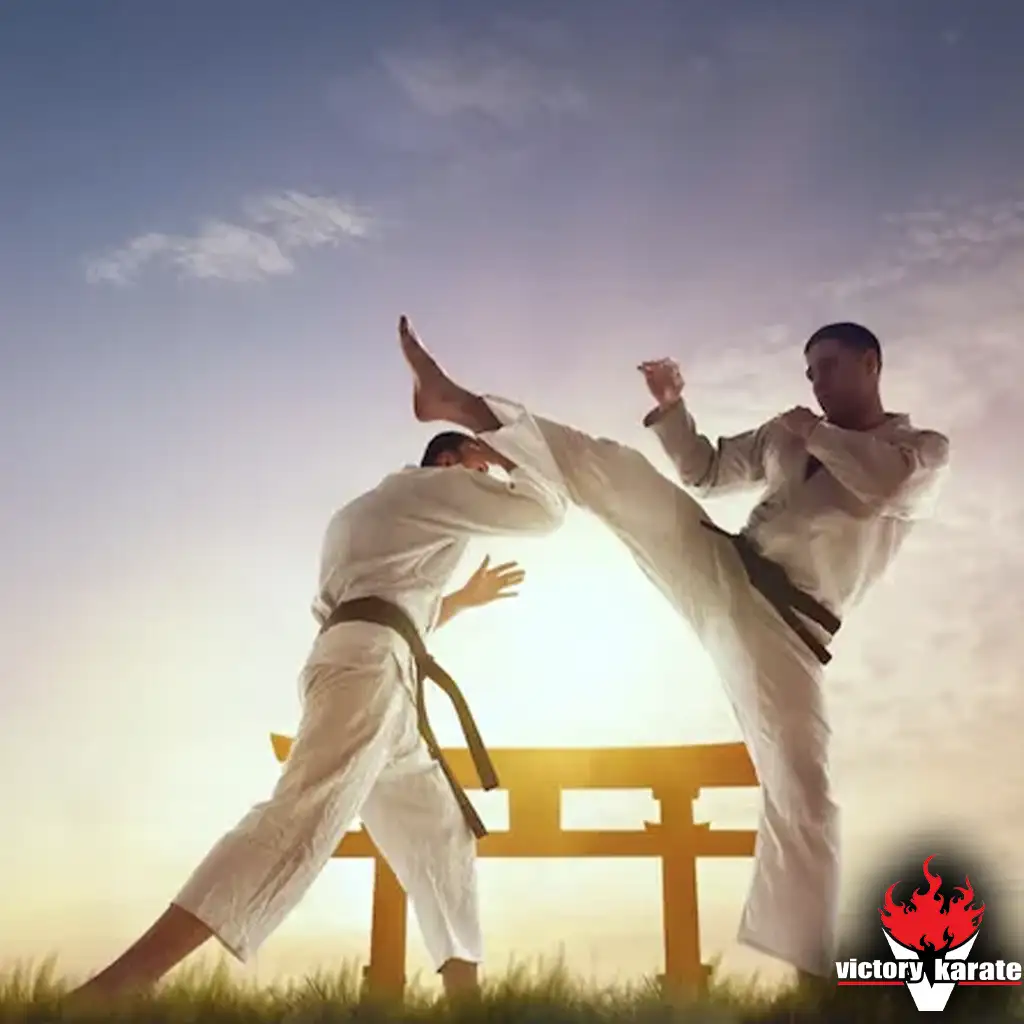
Karate Effectiveness Factors
| Factor | Positive Impact | Potential Limitation |
|---|---|---|
| Striking skills | Powerful punches and kicks | May lack ground fighting |
| Training method | Develops reflexes and timing | Point sparring differs from fighting |
| Mental conditioning | Builds confidence and calm | Dojo ≠ street psychology |
| Distance management | Excellent maai awareness | Ambushes eliminate distance |
What Karate Gets Right for Self-Defense
Karate develops genuinely useful fighting attributes. Powerful strikes delivered with proper body mechanics can end confrontations quickly. The ability to generate significant force through coordinated hip rotation and weight transfer creates stopping power that untrained attackers rarely possess.
Distance management—understanding when you're in danger and when you're safe—translates directly to street situations. Karateka learn to read approaching threats and position themselves advantageously. This awareness often prevents fights before they start by maintaining safe distance from potential aggressors.
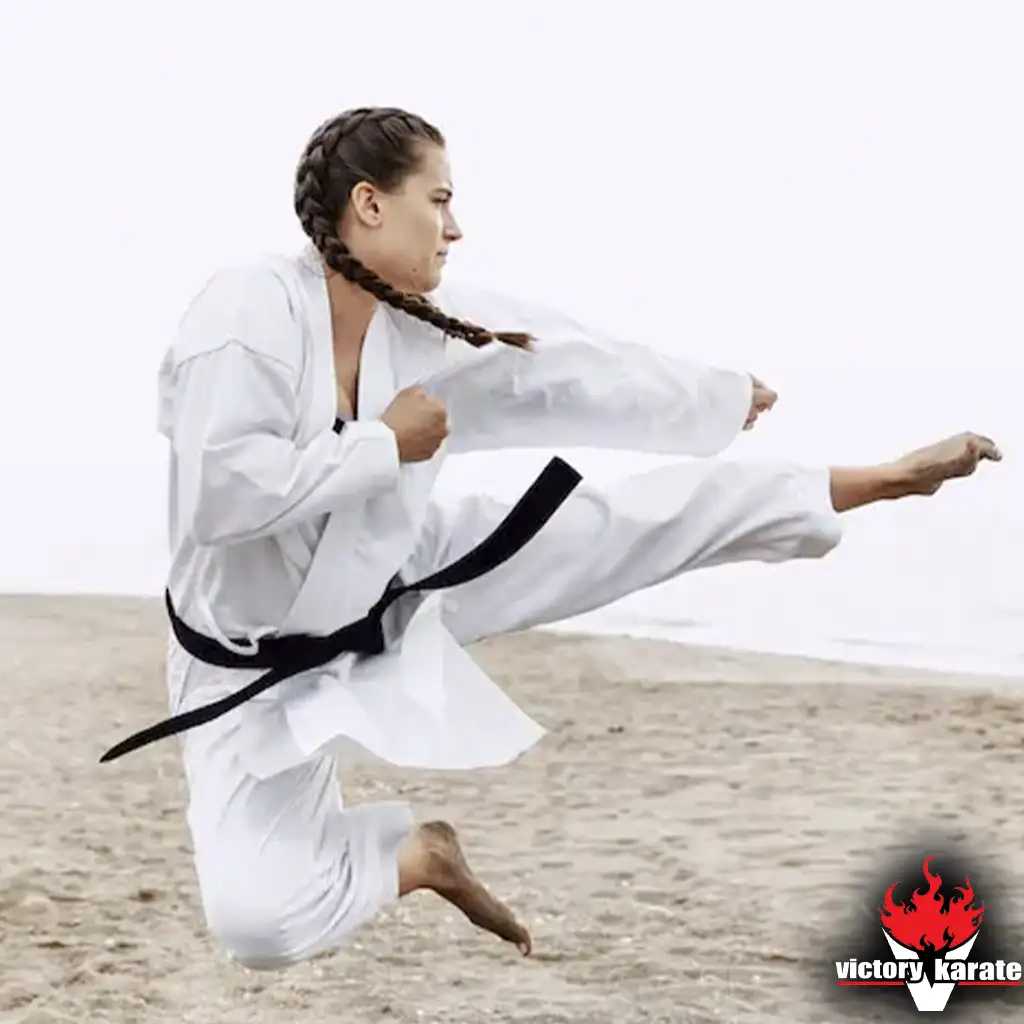
Physical conditioning built through years of training provides advantages in any physical confrontation. Stronger legs, faster reflexes, better cardiovascular endurance—these attributes help regardless of technique selection. An attacker expecting an easy victim encounters someone in fighting shape.
Traditional karate includes techniques rarely practiced in sport contexts: eye strikes, throat attacks, groin kicks, joint manipulations. These "dirty" techniques cause immediate dysfunction in attackers. When survival matters more than sportsmanship, these tools prove valuable.
The Conditioning Factor
Makiwara training and heavy bag work condition karateka to hit hard objects without injury. Untrained people often break their hands when punching faces or heads. Conditioned karate practitioners can strike full-force without self-inflicted damage—a significant advantage in real confrontations.
Mental conditioning matters equally. Training through discomfort, maintaining focus under pressure, continuing when tired—these psychological adaptations carry over to violent encounters where panic destroys most people's ability to respond effectively.
Where Karate Often Falls Short
Ground fighting represents karate's most significant gap. When fights go to the ground—and many do—pure karateka often flounder. Brazilian Jiu-Jitsu practitioners and wrestlers control grounded opponents with techniques that traditional karate rarely addresses. Getting taken down without grappling skills creates dangerous vulnerability.
Sport karate rules create habits that hurt street effectiveness. Point sparring rewards light, fast touches that score but don't damage. Fighters conditioned to pull punches after contact may do the same instinctively in real fights—exactly when they need maximum impact.
The starting distance in most karate sparring—two arm lengths apart, squared up, waiting for the referee's signal—never occurs in real violence. Street attacks begin suddenly, at close range, often from behind or the side. Training that assumes you'll see the fight coming fails against ambush-style attacks.
Common karate training gaps:
- Clinch fighting—what happens when someone grabs you and won't let go
- Multiple attackers—real violence often involves groups, not duels
- Weapons awareness—attackers may produce knives, bottles, or other weapons
- Environmental factors—uneven ground, obstacles, confined spaces
The School Quality Problem
Perhaps more than any style factor, individual school quality determines whether karate training produces effective fighters. Two students with identical time investment can emerge from different schools with vastly different capabilities. The "McDojo" phenomenon—commercial schools prioritizing revenue over quality—has diluted karate's overall effectiveness.
Schools that never spar produce students who've never experienced resistance. Kata without application training creates dancers rather than fighters. Belt promotions based on time rather than skill generate false confidence in abilities never tested. These problems plague karate more than some other martial arts simply because karate's popularity created commercial pressures.
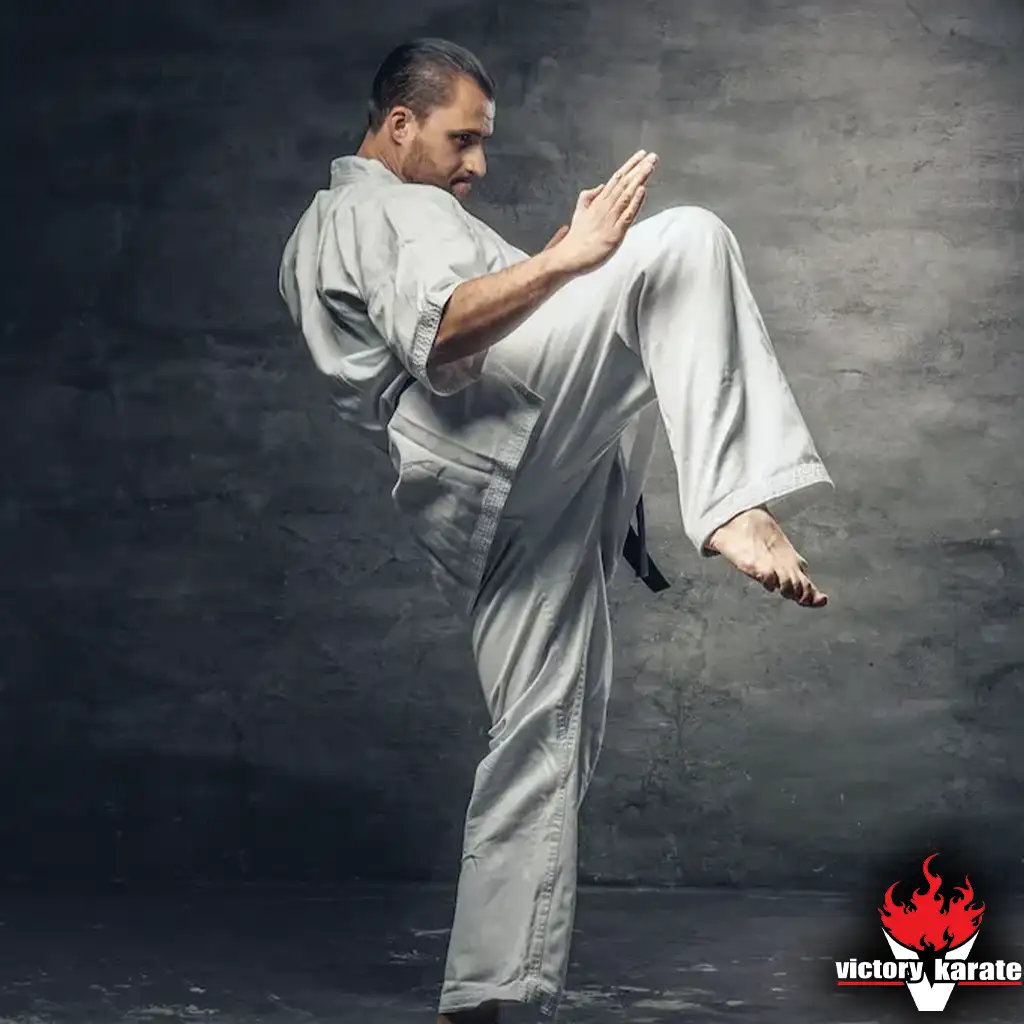
High-quality karate schools still exist. They spar with contact, teach bunkai applications, include self-defense scenarios, and pressure-test techniques. Graduates of these schools develop genuine fighting ability. The challenge lies in finding them among the many mediocre alternatives.
Historical Evidence of Effectiveness
Karate developed as a genuine fighting system in Okinawa where violent encounters occurred. Early practitioners used their skills in actual self-defense situations. The art survived because it worked—techniques that failed disappeared while effective methods passed to subsequent generations.
Early UFC events included karate practitioners with mixed results. Gerard Gordeau used karate striking effectively in UFC 1. Others struggled against grapplers. These results reflected individual training rather than categorical style failure—well-rounded karateka with grappling awareness performed better than pure strikers.
Lyoto Machida demonstrated karate's MMA viability at the highest levels, winning a UFC championship using distinctly karate-based movement and timing. Stephen Thompson continues showcasing karate striking in elite competition. These fighters succeed because they supplemented karate strengths with skills addressing its weaknesses.
Karate vs Other Arts for Self-Defense
| Martial Art | Primary Strength | Primary Weakness |
|---|---|---|
| Karate | Powerful striking at range | Limited ground skills |
| Boxing | Hand speed and power | No kicks or grappling |
| BJJ | Ground control and submissions | Vulnerable standing |
| Muay Thai | Clinch fighting, elbows/knees | Ground defense limited |
Making Karate Work for Real Fights
Karate practitioners serious about self-defense capability should address common training gaps deliberately. Cross-training in grappling arts—even basic wrestling or judo—provides takedown defense and ground awareness. You don't need to become a grappling expert; you need enough skill to get back to your feet.
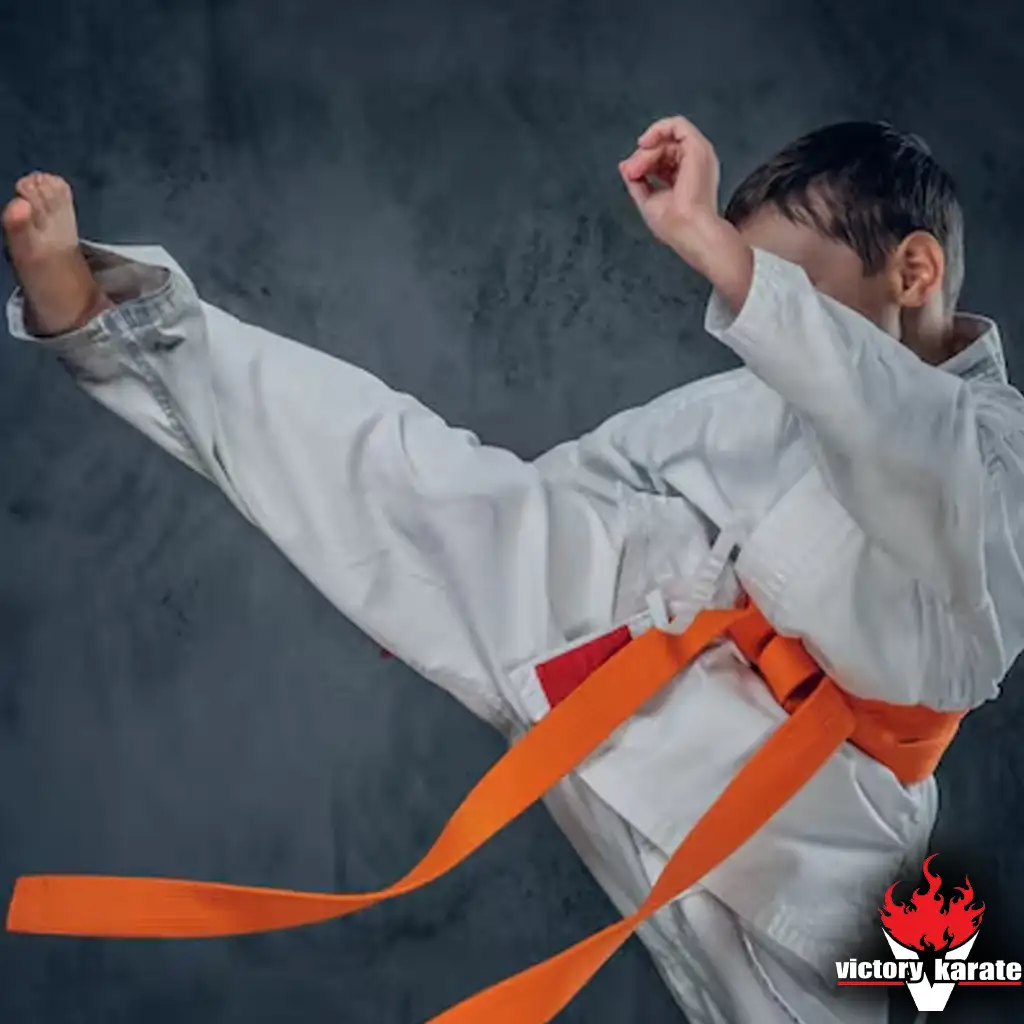
Training modifications that enhance street effectiveness:
- Practice techniques from realistic starting positions—close range, from grabs, against the wall
- Include scenario training where "attacks" begin unexpectedly during class
- Train with protective gear that allows harder contact and genuine resistance
- Study bunkai applications that address common attacks like grabs and haymakers
The Avoidance Priority
The most effective self-defense remains avoiding fights entirely. Awareness, de-escalation, and escape prevent more injuries than any fighting technique. Karate training should include these elements—not just physical skills for when avoidance fails. Winning a fight you could have avoided isn't victory; it's unnecessary risk.
Real violence carries unpredictable consequences: injuries, legal problems, psychological trauma. Training provides tools for situations where no alternative exists. Using those tools when alternatives exist represents poor judgment regardless of technique quality.
The Honest Answer
Karate can be effective in real fights when trained realistically, supplemented with grappling awareness, and applied with understanding of its limitations. It can also be useless when trained poorly, tested only against cooperative partners, and applied with false confidence in techniques never pressure-tested.
The art provides solid striking fundamentals that remain valuable in any physical confrontation. Those fundamentals require proper training to develop and realistic practice to apply under stress. Schools vary so dramatically that "is karate effective" has no single answer—"is this particular karate training effective" remains the relevant question.
No martial art guarantees victory in real violence. Size, surprise, weapons, and numbers can overcome any training. Karate—properly trained—improves your odds significantly compared to having no training. Whether it improves odds compared to other arts depends on individual school quality more than style characteristics.
The practitioners who find karate most effective share common characteristics: they train at quality schools, spar regularly with contact, study applications rather than just forms, and remain humble about their art's limitations. They don't expect karate to solve every problem. They train it as one tool among many for situations where physical response becomes necessary.
Karate has protected lives throughout its history and continues doing so today. It has also failed practitioners who trained unrealistically or faced situations beyond their preparation. The art itself neither guarantees nor prevents effective self-defense—the practitioner's training and judgment ultimately determine outcomes.
Frequently Asked Questions
Generally yes, assuming legitimate training and similar physical size, though no outcome is ever guaranteed in real violence.
Pure karate lacks the grappling skills that MMA requires, though karateka who add wrestling and submission defense can succeed.
Traditional karate with realistic sparring typically transfers better to self-defense than point-based sport karate.
Basic effectiveness develops within 1-2 years of consistent quality training, though proficiency continues developing for decades.
Choose the art with the best local school—instructor quality matters more than style selection for practical effectiveness.
Technique helps overcome size differences but cannot completely neutralize significant weight and strength advantages.