What Is Shotokan Karate? Complete Style Guide Explained
Shotokan karate stands as the world's most widely practiced karate style, with millions of practitioners across every continent. This martial arts style originated in Japan under the guidance of Gichin Funakoshi, who brought traditional Okinawan fighting methods to the Japanese mainland and transformed them into a systematic approach to karate.
Among the major karate styles—including Goju Ryu, Wado Ryu, and Kyokushin—Shotokan distinguishes itself through its emphasis on deep stances, powerful linear techniques, and systematic training methods. The Japan Karate Association standardized these approaches, creating the foundation for traditional karate practiced in thousands of dojos worldwide.
This guide explores Shotokan's history, philosophy, and training methods. Understanding this martial arts style helps practitioners appreciate both its technical demands and the deeper karate philosophy that makes it more than mere physical exercise.
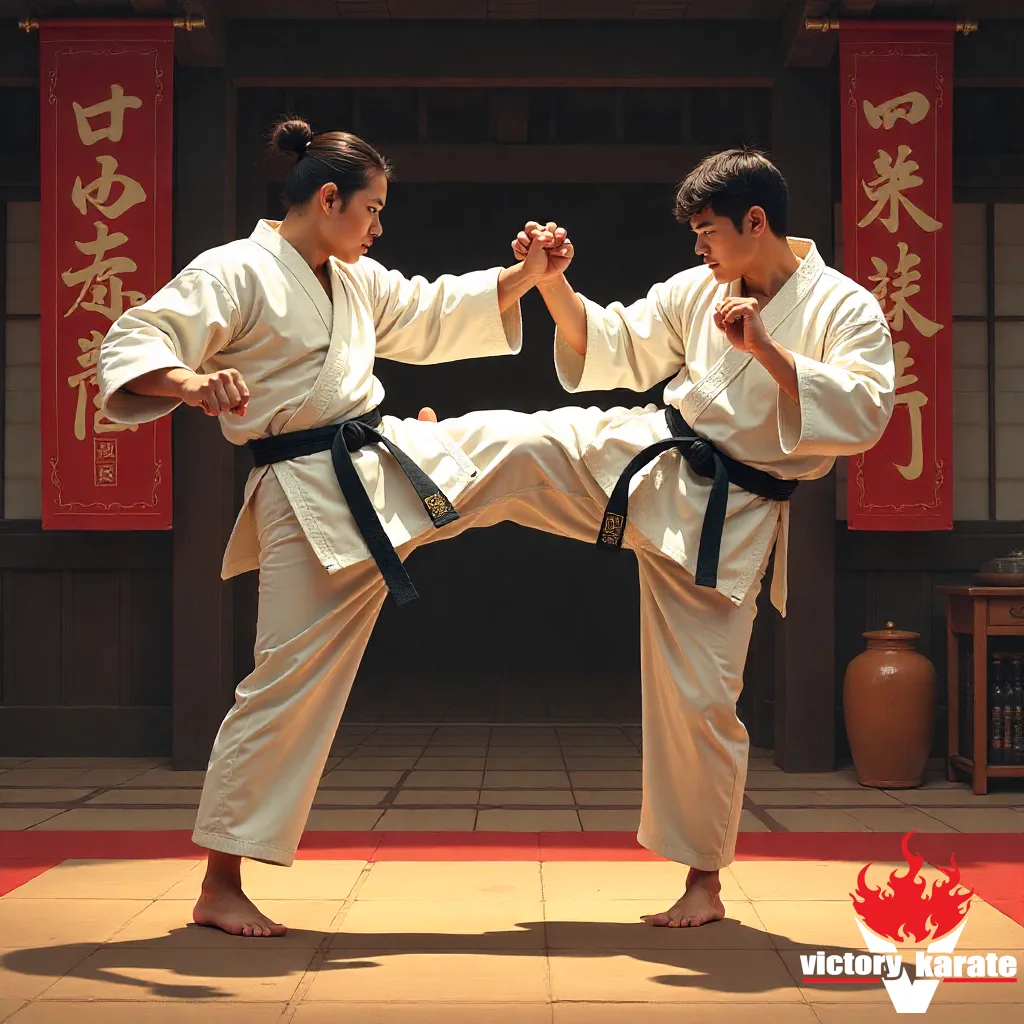
Shotokan Karate Overview
| Characteristic | Description |
|---|---|
| Founder | Gichin Funakoshi (1868-1957) |
| Origin | Okinawa to Japan (1920s) |
| Governing Body | Japan Karate Association (JKA) |
| Technical Focus | Deep stances, linear techniques, powerful strikes |
| Core Elements | Kihon (basics), Kata (forms), Kumite (sparring) |
Gichin Funakoshi and Shotokan's Origins
Gichin Funakoshi brought karate from Okinawa to mainland Japan in 1922, demonstrating the art at the first National Athletic Exhibition in Tokyo. This scholar and educator had trained in the traditional Okinawan fighting arts under masters including Anko Itosu and Anko Azato. His mission: introduce Japanese society to what he considered a powerful method of physical and character development.
The name "Shotokan" derives from Funakoshi's pen name "Shoto" (pine waves) and "kan" (hall or house). His students built a training hall in 1936 and named it Shotokan, which became the style's identifier. Funakoshi himself reportedly preferred avoiding style names, viewing all karate as one art with regional variations.
Funakoshi modified Okinawan techniques for Japanese audiences and formalized training methods. His approach emphasized character development alongside physical skill. The Japan Karate Association, established in 1949, systematized these approaches and spread Shotokan globally through instructor programs and standardized curricula.
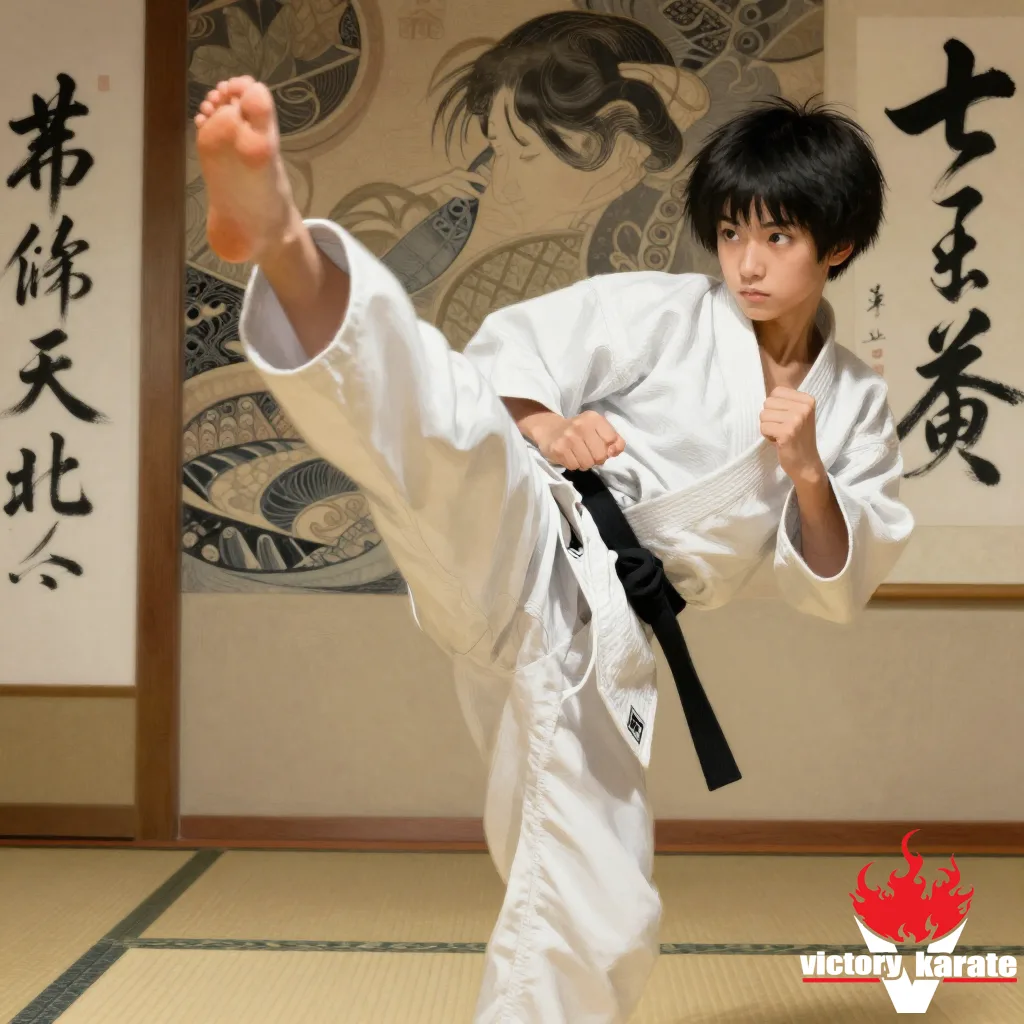
The Dojo Kun: Training Hall Precepts
The Dojo Kun represents Shotokan's moral foundation—five principles recited at each training session's conclusion. These guidelines extend karate philosophy beyond physical technique into daily life conduct. Traditional schools take these precepts seriously as essential components of martial arts training.
The five Dojo Kun principles:
- Seek perfection of character
- Be faithful and sincere
- Endeavor to excel
- Respect others
- Refrain from violent behavior
Technical Characteristics of Shotokan
Shotokan's technical approach emphasizes deep, strong karate stances that generate power through hip rotation and body weight transfer. The front stance (zenkutsu-dachi), back stance (kokutsu-dachi), and horse stance (kiba-dachi) form the foundational positions from which techniques launch. These lower positions require strength and flexibility but provide stable bases for powerful strikes.
Linear, direct techniques characterize Shotokan attacks. Punches travel straight toward targets rather than looping in circular paths. This approach prioritizes speed and directness over deceptive angles. The basic reverse punch (gyaku-zuki) exemplifies this philosophy—a direct thrust generating power through hip rotation and full body commitment.
Kihon—basic technique practice—occupies substantial training time. Students drill fundamental punches, kicks, blocks, and stances repeatedly, developing precise muscle memory. This emphasis on basics before advanced techniques ensures solid foundations that support later technical development.
Power generation in Shotokan relies on correct body mechanics rather than muscular strength alone. The concept of kime—focus at the moment of impact—concentrates body energy into each technique. Hip rotation, breath control, and proper alignment multiply the force beyond what arm or leg muscles generate independently.
Blocking techniques receive equal attention to strikes. Shotokan blocks are not merely defensive shields but potential counterattacks themselves. Practiced correctly, a properly executed block can damage an attacker's limb while creating openings for immediate counter-strikes. This dual purpose reflects practical combat philosophy.
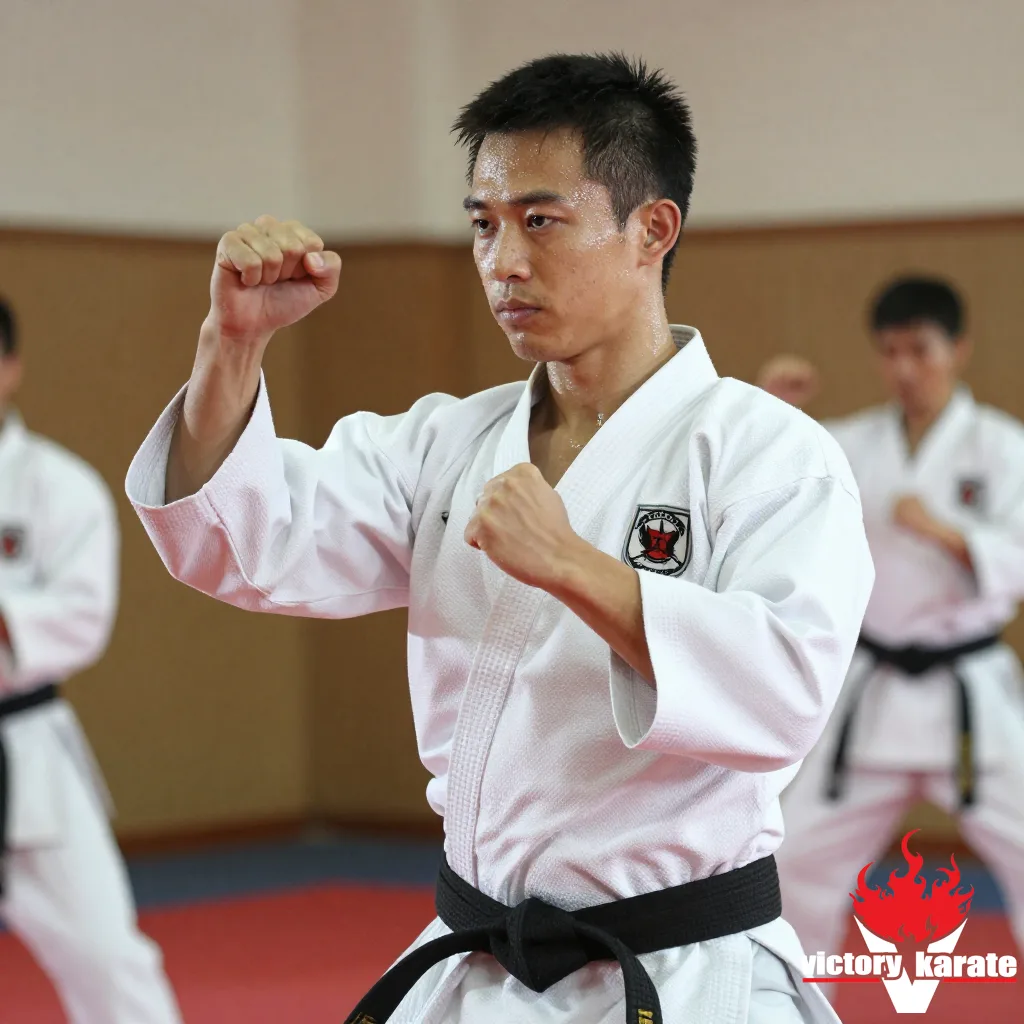
Kata Forms in Shotokan Training
Kata forms represent choreographed sequences preserving traditional techniques and principles. Shotokan includes approximately 26 standard kata ranging from beginner patterns to advanced forms requiring decades of refinement. Each kata contains encoded fighting applications (bunkai) that practitioners learn to extract and apply.
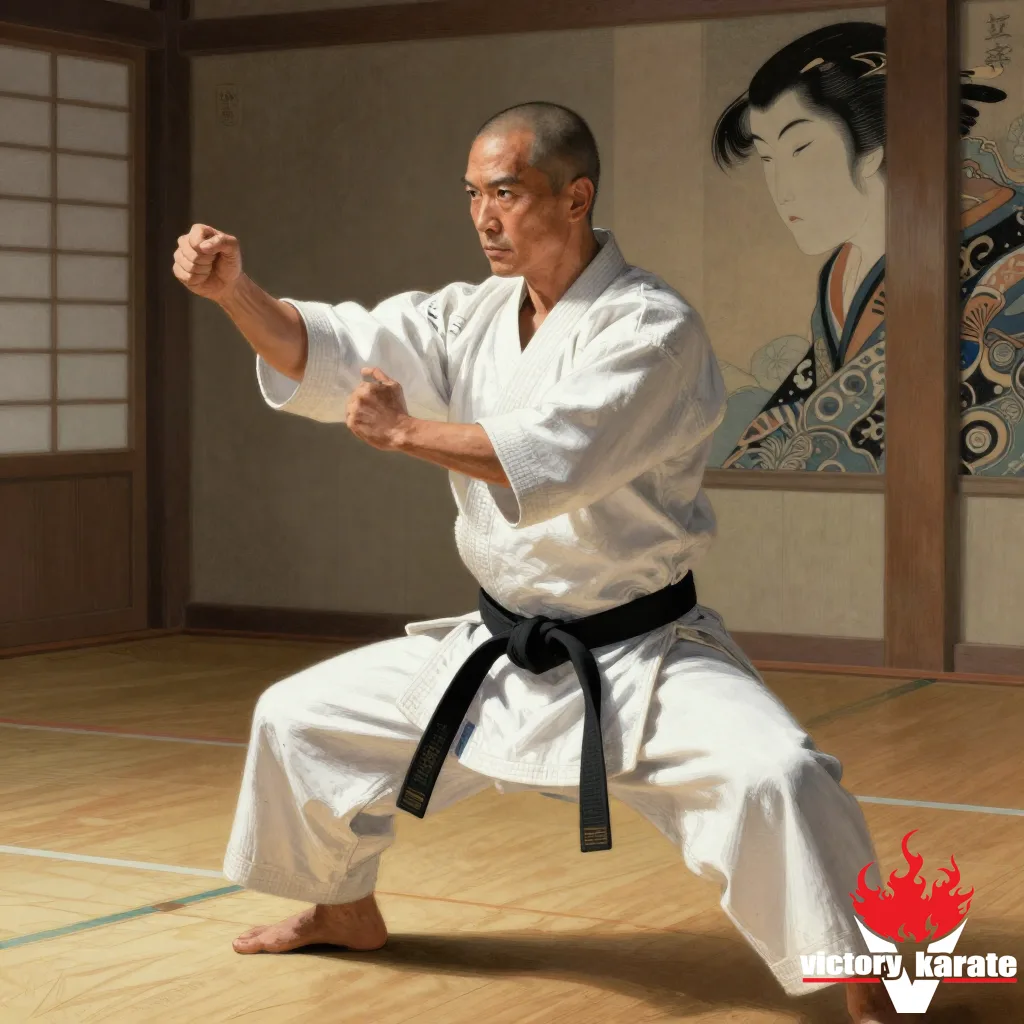
Heian kata—five forms for beginning students—introduce fundamental techniques and concepts progressively. These patterns build upon each other, establishing basic movements that more advanced kata assume. Mastering Heian kata typically requires two to three years of dedicated practice.
Advanced kata like Kanku-Dai, Bassai-Dai, and Jion demand years of training to perform correctly. These complex forms contain powerful techniques, advanced timing, and sophisticated movement patterns. Competition at high levels often centers on kata performance, with judges evaluating technical precision, power, and fighting spirit.
Beyond physical technique, kata practice develops concentration, breathing control, and mental discipline. Performing a kata demands present-moment awareness—thinking about previous movements or upcoming sequences disrupts flow. This meditative aspect connects kata practice to broader martial arts philosophy regarding mind-body unity.
Comparison: Major Karate Styles
| Style | Technical Emphasis | Distinguishing Feature |
|---|---|---|
| Shotokan | Deep stances, linear power | Strong basics, systematic approach |
| Goju Ryu | Hard/soft combination, breathing | Circular movements, close range |
| Wado Ryu | Fluid movement, evasion | Jujutsu influence, body shifting |
| Kyokushin | Full contact, conditioning | Hard training, knockdown format |
Kumite Sparring in Shotokan
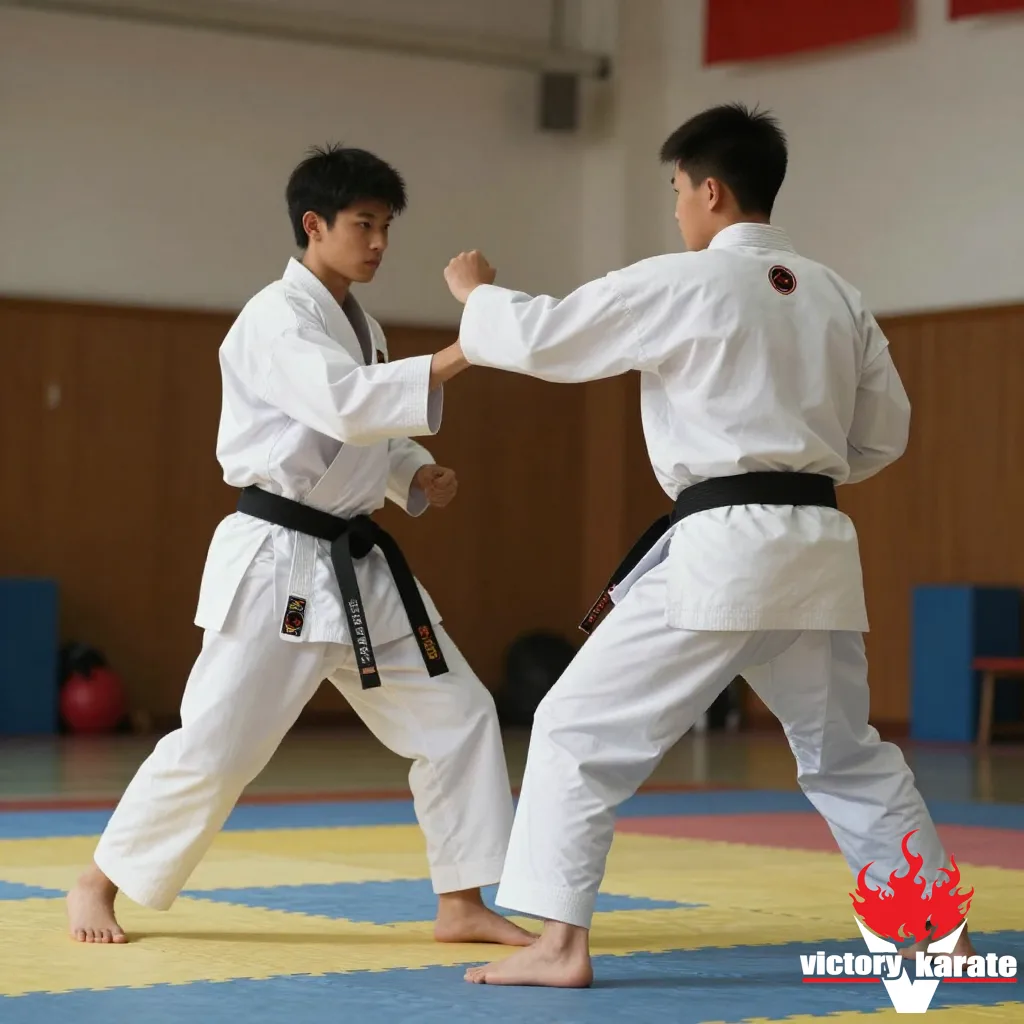
Kumite sparring develops practical application of techniques against resisting opponents. Shotokan kumite ranges from pre-arranged exchanges (yakusoku kumite) to free sparring (jiyu kumite). This progression allows controlled skill development before introducing unpredictable combat situations.
Traditional kumite sparring in Shotokan emphasizes control—techniques must demonstrate power potential without actually injuring training partners. Points are scored through clean techniques that would cause damage if fully executed. This approach differs from full-contact styles like Kyokushin where actual impact determines success.
Competition kumite follows World Karate Federation rules for most Shotokan organizations. Matches last three minutes with points awarded for punches, kicks, and sweeps. The controlled contact requirement creates strategic fighting that rewards timing and precision over raw power.
Training methods for kumite begin with five-step sparring (gohon kumite), progress through three-step and one-step exchanges, then advance to free sparring. Each stage develops specific attributes—timing, distance management, reading opponents, and executing techniques under pressure. This systematic progression characterizes Shotokan's methodical approach.
Distance management—understanding maai—represents a critical kumite skill. Shotokan practitioners learn to control the space between themselves and opponents, moving in and out of range strategically. This distance sense allows attacking from positions where the opponent cannot effectively respond while staying safe from their counter-attacks.
Modern Training Methods
Modern Shotokan training methods maintain traditional elements while incorporating contemporary understanding of athletic development. Many dojos supplement classical training with strength conditioning, flexibility work, and sports science approaches. This evolution respects tradition while acknowledging advances in human performance knowledge.
Contemporary Shotokan training typically includes:
- Warm-up exercises and stretching for injury prevention
- Kihon basics practice with attention to form and power
- Kata practice appropriate to student rank and development
- Partner drills developing timing and distance sense
- Kumite sparring with appropriate protective equipment
Why Choose Shotokan Karate?
Shotokan karate offers a comprehensive martial arts education balancing physical development, practical combat skills, and philosophical growth. The style's global presence means quality instruction is available in most cities worldwide. The Japan Karate Association and other organizations maintain standards ensuring consistent training quality across international boundaries.
The emphasis on basics creates strong foundations that support lifelong practice and continuous growth. Unlike styles that rush students toward advanced techniques, Shotokan's methodical approach builds genuine competence that practitioners can maintain and develop across decades. This long-term perspective suits students seeking martial arts as a lifetime pursuit.
The karate philosophy embedded in Shotokan extends beyond physical technique into all aspects of life. The Dojo Kun principles, the emphasis on respect and self-improvement, and the community aspects of dojo training contribute to personal development beyond fighting capability. Many practitioners value these philosophical elements as much as the physical training methods themselves.
Whether your goals include self-defense capability, physical fitness, competition success, or personal development, Shotokan karate provides structured pathways toward achievement. The martial arts style has produced world champions, effective self-defenders, and millions of practitioners who simply enjoy the discipline of traditional karate practice.
Age-appropriate training makes Shotokan accessible across generations. Children develop coordination, discipline, and confidence through youth programs. Adults find physical challenges and stress relief. Senior practitioners maintain mobility and mental sharpness through continued practice. Few activities offer such comprehensive benefits across the human lifespan, making Shotokan a truly inclusive martial arts style.
Frequently Asked Questions
Yes—Shotokan develops effective striking skills, though practical self-defense may require supplementing sport-oriented training.
Typically 4-6 years of consistent training, though this varies by organization and individual dedication.
Shotokan uses controlled contact in sparring while Kyokushin emphasizes full-contact knockdown fighting.
Excellent—the structured approach, emphasis on discipline, and controlled training suit children's development well.
Yes—extensive competition opportunities exist from local tournaments through world championships in both kata and kumite.
Shotokan emphasizes linear techniques and deep stances while Goju Ryu incorporates circular movements and breathing exercises.