What Is the Weakest Belt in Martial Arts? Understanding Belt Rankings
The white belt represents the starting point in most martial arts ranking systems. As the first belt students receive, it symbolizes the beginning of a journey rather than any particular level of skill. Every black belt, every champion, every master once wore white.
Calling white belt "weakest" misunderstands what belt colors represent. They mark stages in learning, not measures of human worth or potential. The white belt who started yesterday and the one who's been training for six months both wear the same color despite vastly different capabilities.
This guide explores belt ranking systems, explains what different colors typically represent, and reframes how practitioners should think about their place in the hierarchy. Understanding the system helps students navigate their training with realistic expectations.
Common Belt Ranking Progression
| Belt Color | Typical Meaning | Approximate Timeline |
|---|---|---|
| White | Pure beginner, empty cup | Day 1 to 3-6 months |
| Yellow | First growth, sunlight | 6 months to 1 year |
| Orange | Growing strength | 1 to 1.5 years |
| Green | Growing skills, like plants | 1.5 to 2 years |
| Blue | Sky, reaching higher | 2 to 3 years |
| Brown | Maturity, ripening skills | 3 to 4 years |
| Black | Proficiency, new beginning | 4+ years minimum |
The Origin of Belt Colors
Jigoro Kano, founder of judo, introduced the belt ranking system in the 1880s. Before this innovation, martial arts schools had no standardized way to indicate student progress. Kano's simple solution—white belts for beginners, black belts for proficient students—spread throughout Japanese martial arts and eventually worldwide.
The colored belt progression between white and black developed later, primarily for Western students who wanted more frequent recognition of progress. Japanese systems often used fewer colors, sometimes jumping directly from white to brown to black. Western adaptations added yellow, orange, green, blue, and purple to create more incremental milestones.

A popular myth claims that belts were never washed, gradually darkening from white to black through years of sweat and dirt. This story, while romantic, lacks historical support. The colored system was deliberately designed rather than accidentally developed through poor hygiene.
What White Belt Actually Means
White symbolizes purity, emptiness, and potential. The white belt student arrives as a blank slate, ready to be written upon. This emptiness represents not weakness but openness—the willingness to learn without preconception. Many experienced martial artists consider the white belt mindset essential regardless of actual rank.
The famous Zen concept of "beginner's mind" (shoshin) captures this idea. Even masters benefit from approaching practice with white belt openness, seeing techniques fresh rather than assuming expertise. The white belt who asks "why?" sometimes learns faster than the black belt who thinks they already know.
Why "Weakest" Misses the Point
Framing belts as "weak" or "strong" fundamentally misunderstands their purpose. Belts indicate curriculum progress, not fighting ability. A yellow belt with natural athleticism and three months of intensive training might defeat a green belt who trains casually twice monthly.
Belt rank measures what someone has learned and demonstrated, not what they can do against all opponents. Testing evaluates technique knowledge, form execution, and curriculum completion—not combat superiority. The person who passed their green belt test yesterday isn't necessarily better at fighting than they were the day before.

Factors that affect fighting ability beyond belt rank:
- Natural athleticism and physical attributes like size, speed, and strength
- Training frequency and intensity—hours on the mat matter enormously
- Sparring experience against resisting opponents
- Previous martial arts or combat sports background
The Danger of Belt Fixation
Students who obsess over belt promotions often miss the actual point of training. They memorize material for tests rather than developing genuine skill. They count months until the next promotion rather than focusing on daily improvement. The belt becomes the goal instead of the marker of progress it should be.
"McDojo" schools exploit belt fixation for profit. By promoting students quickly, they maintain motivation and revenue. Students collect belts without developing corresponding skill. The black belt from such a school may be less capable than a green belt from a rigorous program. The belt color means nothing without legitimate training behind it.
Experienced martial artists often become less concerned with belts over time. They recognize that the belt merely represents what the instructor thinks they've demonstrated, not their actual capability. Training quality matters more than belt color. Daily practice matters more than occasional tests.
The Black Belt Misconception
Popular culture portrays black belts as invincible warriors, but reality differs considerably. In traditional Japanese thinking, black belt (shodan) means "first level"—the point where real learning begins. White through brown belts learned basics. Black belt students finally know enough to start training seriously.
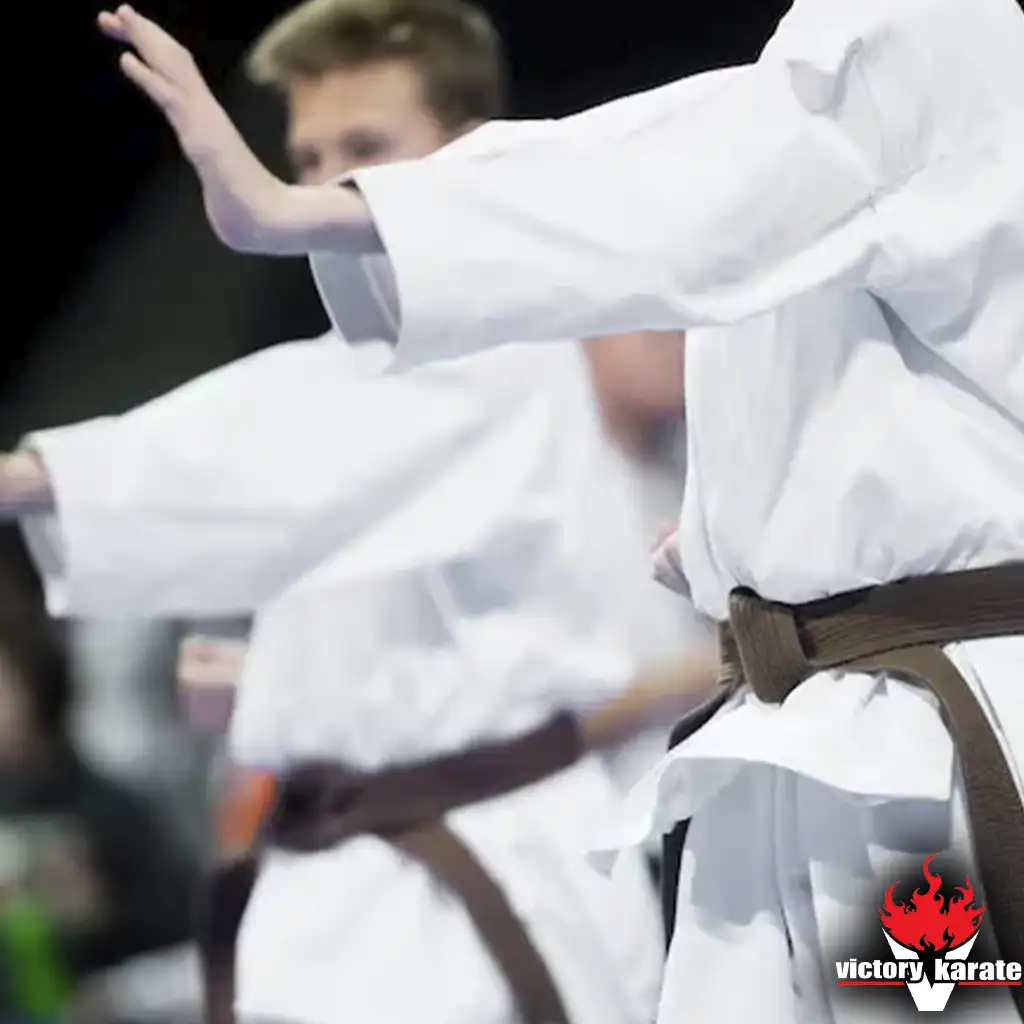
First-degree black belts often face a humbling experience. They've reached a goal they pursued for years, only to realize how much they still don't know. Training with higher-ranked black belts reveals gaps in their game. The summit they climbed turns out to be just a foothill in a much larger mountain range.
Belt Systems by Martial Art
| Martial Art | Belt Progression |
|---|---|
| Karate (typical) | White → Yellow → Orange → Green → Blue → Purple → Brown → Black |
| Brazilian Jiu-Jitsu | White → Blue → Purple → Brown → Black (10+ years typical) |
| Judo | White → Yellow → Orange → Green → Blue → Brown → Black |
| Taekwondo | White → Yellow → Green → Blue → Red → Black |
Time requirements vary dramatically between arts. Brazilian Jiu-Jitsu typically requires 10+ years to reach black belt with consistent training. Some karate and taekwondo schools promote students to black belt in 3-4 years. This doesn't mean karate black belts train less—it means the belt represents different achievement levels in different systems.
Comparing belts across arts makes little sense. A BJJ blue belt (typically 2-3 years of training) possesses different skills than a karate blue belt (typically 1-2 years). Neither is "better"—they've learned different things in different arts. Cross-art belt comparisons reveal nothing meaningful.
The Right Mindset About Belts
The healthiest approach treats belts as milestones, not destinations. Each promotion marks progress in a longer journey. The belt acknowledges what you've accomplished while pointing toward what remains to learn. Enjoy the moment of promotion, then return focus to training.

Healthy perspectives on belt ranking:
- Focus on daily improvement rather than the next promotion
- Compare yourself only to your past self, not to others
- Remember that belt represents what you've demonstrated, not your potential
- Appreciate that every master once wore white and felt just as uncertain
Embracing the Beginner Phase
White belt represents the period of most rapid improvement. Complete beginners often progress faster than advanced students because everything is new. Each class brings discoveries. Each technique learned represents massive percentage improvement in total knowledge. This rapid growth phase deserves appreciation rather than embarrassment.
Many senior practitioners look back on their white belt days with nostalgia. The excitement of learning something completely new, the wonder at techniques that seemed like magic, the camaraderie of struggling together with fellow beginners—these experiences never return in quite the same way. Embrace them while they last.
The question of which belt is "weakest" misses the essence of martial arts training. Strength develops through the journey, not through ranking. The newest white belt taking their first nervous steps onto the mat demonstrates more courage than critics who never try. Beginning is the hardest part, and those who begin deserve encouragement rather than labels about weakness.
Frequently Asked Questions
Typically 3-6 months of consistent training in most martial arts, though some schools promote faster or slower.
Yes—natural athleticism, size advantages, or prior experience can overcome belt rank differences, especially at lower levels.
More colors provide more frequent promotion milestones, which can aid motivation—especially for children and recreational students.
No—a black belt in karate starts as a white belt in BJJ because they're learning a completely different art.
Yes—black belt has multiple degrees (dan ranks) from 1st through 10th, with higher degrees requiring decades of dedication.
Absolutely not—every expert was once a beginner, and choosing to start deserves respect rather than embarrassment.