Board Breaking Karate: What Tameshiwari Teaches
The crack of splintering wood echoes through the dojo. A pine board lies in two pieces on the floor. The striker stands calmly, breathing out. To observers, this looks like demonstration showmanship—party trick material for impressing civilians. The real value runs deeper than spectacle or demonstration.
Tameshiwari—the Japanese term for test breaking—has been part of serious karate training for over a century. Not as party trick or demonstration showpiece. As diagnostic tool that reveals whether your technique actually works under genuine resistance. Here's what board breaking karate practice actually develops, how to train safely without injury, and why some masters consider it essential while others dismiss it entirely.
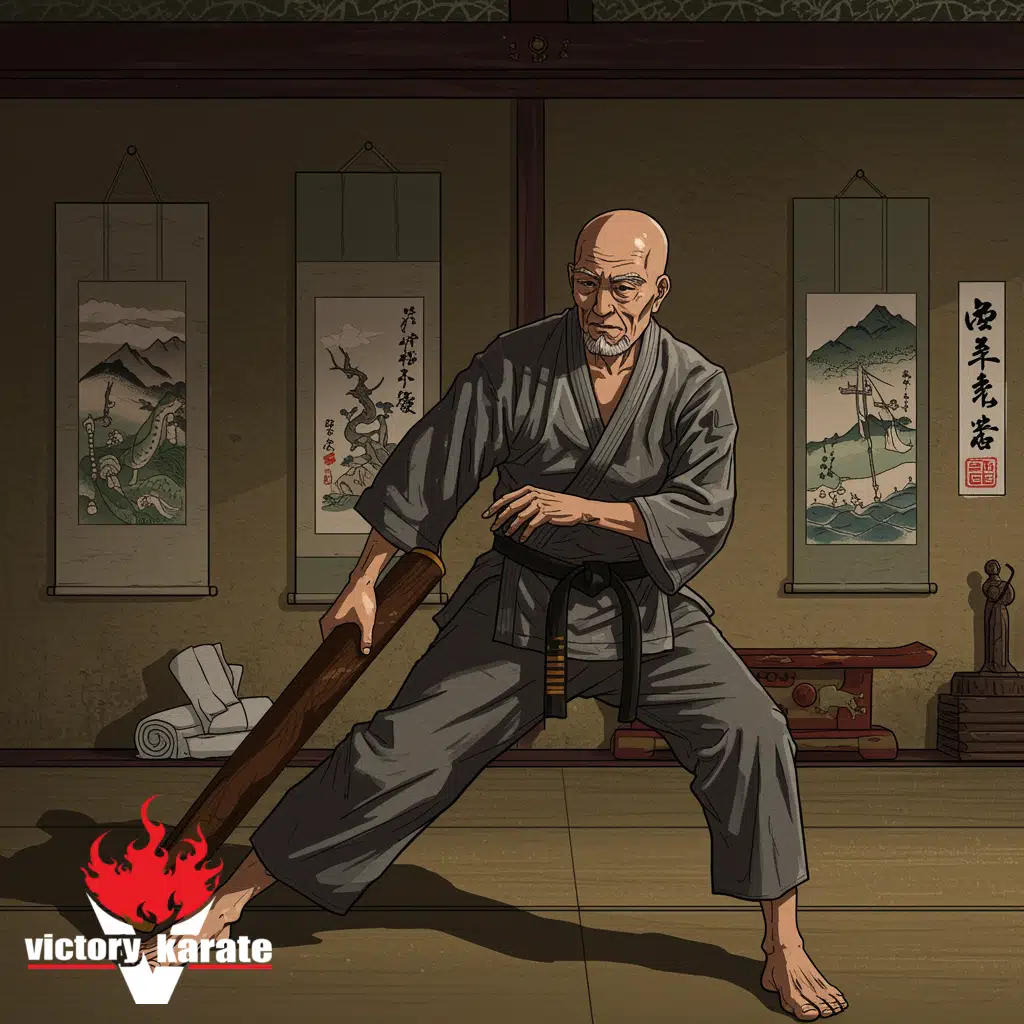
Breaking Progression by Technique
| Technique | Beginner Level | Advanced | Expert |
|---|---|---|---|
| Downward punch | 1 board | 2-3 boards | 4+ boards |
| Knife hand | 1 board | 2 boards | 3+ boards |
| Side kick | 1 board | 2-3 boards | 5+ boards |
| Elbow strike | 1 board | 3 boards | 5+ boards |
Why Karate Includes Breaking Practice
Punching air teaches form. Punching bags builds power. Punching boards tests both simultaneously—with immediate, unforgiving feedback that neither air nor bag provides. A board doesn't lie. If your technique lacks proper alignment, the board doesn't break. If you pull back at impact unconsciously, the board remains intact. If your focus point sits wrong, you hurt your hand instead of splitting wood.
The material provides brutally honest assessment that training partners can't or won't. Okinawan masters originally used everyday objects—roof tiles, bamboo bundles, coconuts, river stones. Pine boards became standard later for consistency and widespread availability. The breaking demonstration evolved from informal testing into systematic training method with measurable progression levels recognized across styles.
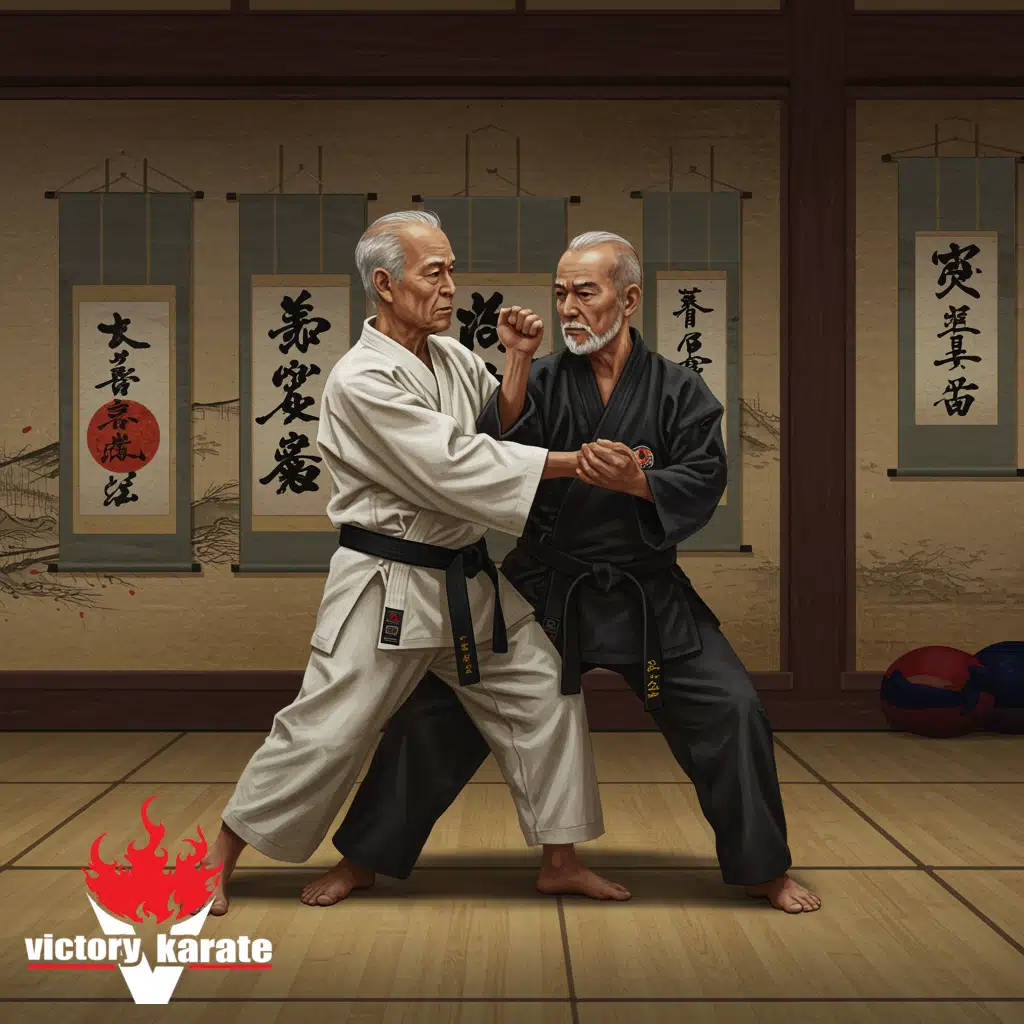
Psychological benefit matters as much as physical training. Successfully breaking through solid material builds confidence that transfers directly to sparring and self-defense contexts. You've proven your strike works against genuine resistance—not just in theory but in undeniable physical reality that can't be argued.
A 2019 study of martial artists found visualization practice improved breaking performance by 23%. Mental rehearsal of successful breaks before attempting them physically reduced failure rates significantly. The mind-body connection tameshiwari develops extends well beyond the breaking itself into all technical training.
What Breaking Actually Tests
Focus breaking requires targeting specific point on the board—not the surface but through it. The strike must continue past initial contact without deceleration. Stopping at surface guarantees failure and probable injury to striking limb.
Power generation from proper body mechanics shows immediately. Arm strength alone won't break boards consistently. Hip rotation, leg drive, body weight transfer—the full kinetic chain must engage or the technique fails. Breaking exposes any weakness in the power generation sequence instantly.
Commitment becomes absolutely non-negotiable. Hesitation causes failures and injuries without exception. The mental component—attacking through the target without reservation—develops only through progressive practice. Breaking teaches psychological intensity no other training method replicates effectively.
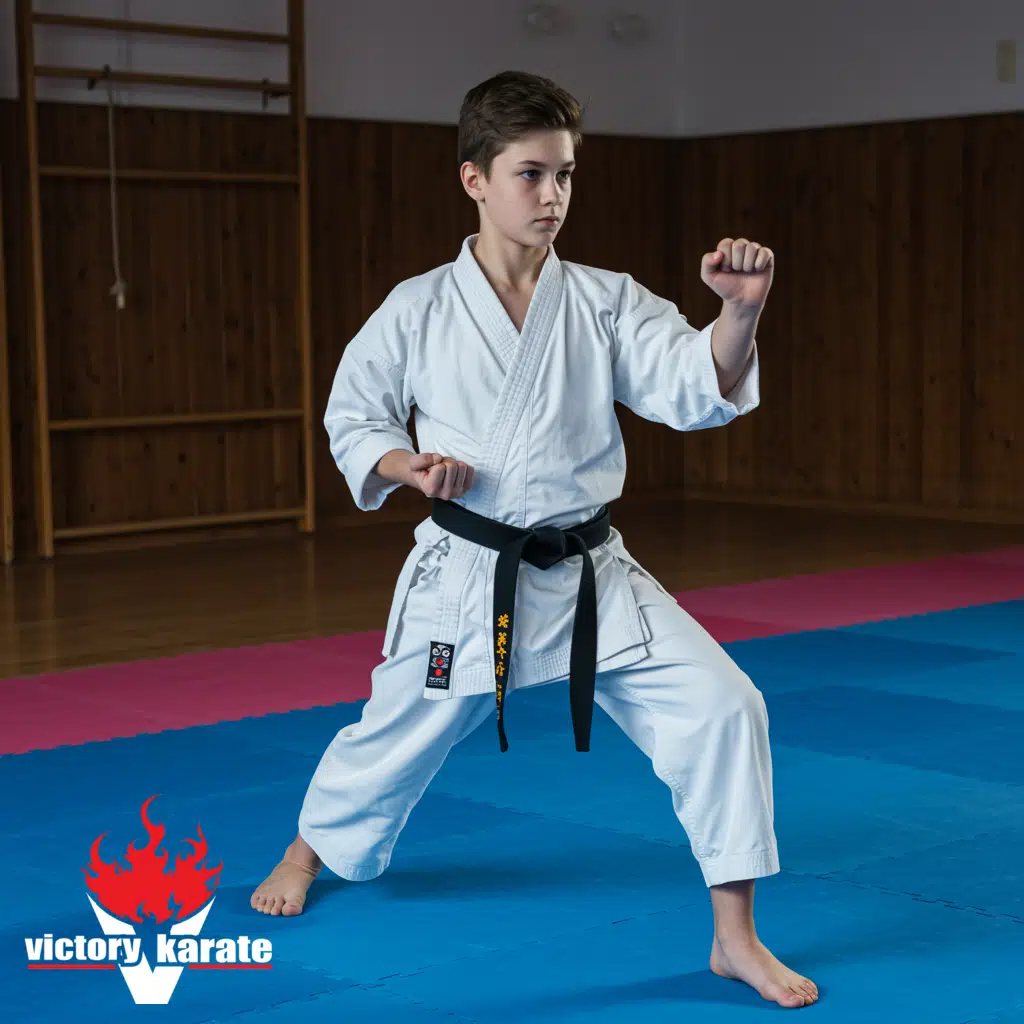
Proper Breaking Technique Fundamentals
Strike through the board, not at it. Focus point should be several inches beyond the wood surface. This ensures follow-through that completes the break rather than just impacting the surface and stopping.
Relaxation before impact matters critically to power generation. Tense muscles slow the strike significantly. Loose, whip-like acceleration followed by momentary tension at impact point generates maximum force. Staying tight throughout the technique reduces power dramatically—counterintuitively to beginners.
Proper striking surface must contact the board precisely. For hammer fist, the meaty part near the wrist—not the knuckles. For knife hand, the padded edge—not the fingers. For kicks, the heel or ball of foot—not the instep. Wrong contact point means injury regardless of power or technique quality.
- Visualize completed break before attempting—see success clearly in your mind first
- Exhale sharply on impact—kiai focuses power and prevents breath-holding tension
- Maintain structure through contact—collapsing on impact absorbs force that should transfer
- Follow through completely—abbreviated motion fails even with adequate power
Hand Conditioning for Breaking
Raw, unconditioned hands break against boards rather than breaking boards themselves. Systematic conditioning builds bone density and callus formation that protects striking surfaces. This takes months of patient, progressive training—not days or weeks.
Makiwara training remains the traditional conditioning method. The padded striking post allows controlled impact that gradually toughens hands without causing acute injury. Starting gently, adding force incrementally over months, develops breaking-ready hands safely. Rushing this process causes fractures, joint damage, and permanent hand problems.
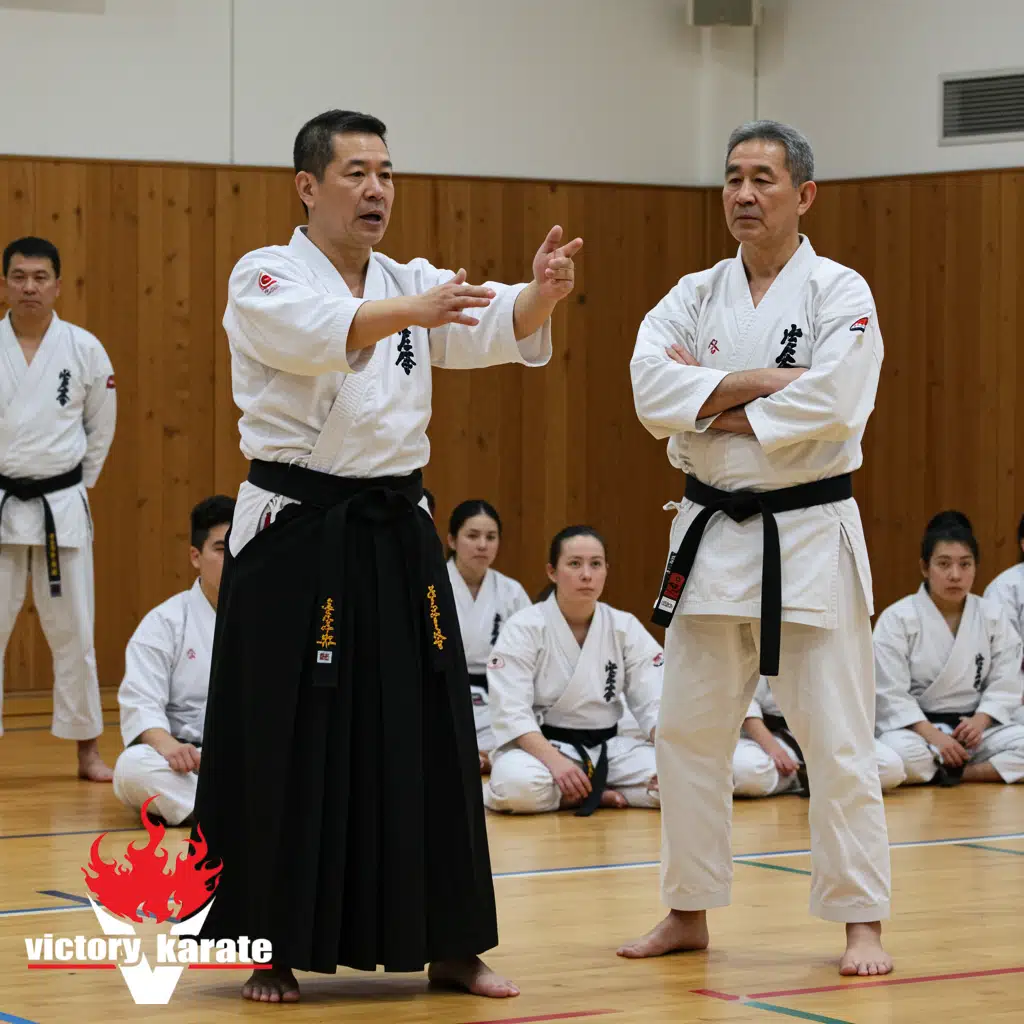
Sand buckets, iron palm bags, and knuckle pushups supplement makiwara work. Each method stresses different tissues. Rotation between conditioning methods ensures comprehensive development while allowing recovery time for specific areas. Daily hard conditioning on the same surfaces leads to overuse injuries rather than adaptation.
Safety Protocols
Board selection matters enormously for safe breaking. Pine works best—straight grain, no knots, properly seasoned. Hardwoods like oak don't break cleanly and absorb force that should transfer through. Wet boards flex instead of snapping; dry-rotted boards splinter dangerously. Inspect every board before attempting breaks.
Holders grip boards firmly at edges, bracing against breaking force direction. Weak grip allows boards to move on impact, absorbing impact energy that should break the wood instead. Holders need training too—this isn't passive role.
Never attempt breaks when fatigued physically or mentally. Tired muscles don't generate proper force; tired minds make poor decisions about readiness and technique. Breaking belongs at the beginning of training sessions when fresh, not at the end when exhausted.
- Know when to stop attempting—multiple failed attempts increase injury risk
- Three strikes and reassess—maybe the board's wet, maybe technique needs work
- First aid knowledge matters when practicing breaking
- Warm-up thoroughly before any breaking attempts
Rebreakable Training Boards
Plastic rebreakable boards provide cost-effective practice alternative. They snap apart along designed break lines, then reassemble for unlimited reuse. Different colors indicate different resistance levels matching approximate wood board difficulty.
Advantages include unlimited practice repetitions without ongoing material cost. Disadvantages include slightly different feedback feel—rebreakables don't replicate wood exactly. Most practitioners use both approaches: rebreakables for technique development, real wood for testing and public demonstrations.
Children's programs benefit particularly from rebreakable boards. The psychological success of breaking without injury risk builds confidence safely. Young students develop proper technique before attempting real wood at appropriate maturity levels.
Before attempting any breaking practice, ensure: hands are conditioned through months of progressive training, qualified instructor supervises and corrects technique, board quality and grain orientation are verified, and holders understand proper gripping technique.
Tameshiwari remains controversial within karate community. Critics argue boards don't fight back—the skills don't transfer to actual combat. Supporters counter that the mental and physical development does transfer, even if the specific act doesn't. Both perspectives hold partial validity.
A 2021 survey found 67% of karate practitioners with black belt ranking or higher had performed at least one board break during testing or public demonstration. The practice remains firmly embedded in karate culture despite ongoing debates about its practical value for self-defense application.
Frequently Asked Questions
Not with proper conditioning and technique; injuries result from insufficient preparation or poor execution.
Minimum six months of conditioning for hand strikes; technique readiness varies by individual.
Excellent for technique practice; wood provides more authentic feedback for testing true capability.
World records exceed 10 boards simultaneously; such feats require years of specific preparation.
Yes, with thin boards and proper supervision; growing bones require extra caution and lighter materials.
Varies by organization; some require it for advancement, others consider it optional demonstration.