What It Really Takes to Earn a Black Belt
The black belt hangs on the wall—dark fabric representing years of effort, countless hours on the training floor, and transformation that goes far deeper than physical technique. Most people who begin martial arts training dream of wearing one. Very few actually do. The statistics are sobering: only 3-5% of students who start training ultimately earn black belt rank.
What separates those who achieve this goal from those who quit along the way? It's not natural talent. It's not physical gifts. The real requirements are psychological—perseverance, commitment, and the willingness to continue when progress feels invisible. Here's what earning a black belt actually demands.
Time Investment Reality
| Belt Level | Typical Timeline | Cumulative Time |
|---|---|---|
| White to Yellow | 3-4 months | 3-4 months |
| Yellow to Orange | 4-6 months | 7-10 months |
| Orange to Green | 6-8 months | 13-18 months |
| Green to Brown | 8-12 months | 21-30 months |
| Brown to Black | 12-24 months | 33-54 months |
Three to five years represents typical black belt timeline in legitimate programs. Schools offering faster advancement often compromise standards. The time requirement exists because skill development genuinely takes years—there are no shortcuts that produce real capability.
The Perseverance Factor
Every martial artist hits plateaus. Periods where progress seems to stop entirely. Techniques that worked last month suddenly fail. Motivation disappears. The training that once excited now feels like obligation. These valleys test commitment more than any physical challenge.

Students who earn black belts push through these periods. They show up when they don't feel like training. They practice when improvement seems impossible. They trust the process even when results are invisible. This perseverance distinguishes eventual black belts from the majority who quit.
The plateau periods actually serve important purposes. Your brain consolidates skills during apparent stagnation. Muscles adapt to new demands. Understanding deepens below conscious awareness. When breakthroughs finally come—and they always do for those who persist—the accumulated work pays off dramatically.
- Expect multiple plateau periods throughout your training journey
- Maintain consistent attendance even when motivation is low
- Trust that invisible progress happens during apparent stagnation
- Focus on process rather than constantly measuring results
Physical Requirements
Black belt testing demands demonstrated proficiency across all curriculum elements: forms, techniques, sparring, breaking, and often written examinations. The specific requirements vary by organization but typically include multiple kata performed flawlessly, self-defense applications against various attacks, and controlled sparring demonstrating tactical understanding.
Physical conditioning matters. Black belt candidates must demonstrate stamina through extended testing sessions—often two to four hours of continuous performance. Strength, flexibility, and endurance all play roles. But physical requirements can be scaled for age and ability; mental requirements cannot.

Technique precision matters more than raw athleticism. A sixty-year-old with perfect form outranks a twenty-year-old with sloppy power. Quality schools evaluate execution quality, not just outcome. This emphasis on precision over power makes black belt achievable regardless of physical gifts.
Character Development
Legitimate programs evaluate character alongside technique. Black belt represents not just physical skill but personal development. Instructors assess how students treat training partners, how they handle frustration, whether they help junior students, and how they represent the school outside class.
This evaluation happens continuously, not just during formal testing. Students who demonstrate poor sportsmanship, disrespect, or lack of effort may be held back regardless of technical proficiency. The belt symbolizes complete development—technique alone doesn't qualify.
- Treat all training partners with respect regardless of their rank
- Help newer students learn basics you've already mastered
- Represent your school positively in all contexts
- Accept corrections gracefully and implement feedback promptly
Black Belt as Beginning
Here's what surprises many people: black belt represents the beginning of serious study, not its conclusion. The Japanese term "shodan" literally means "first degree"—the first real step. Everything before black belt is preparation for actual learning to begin.
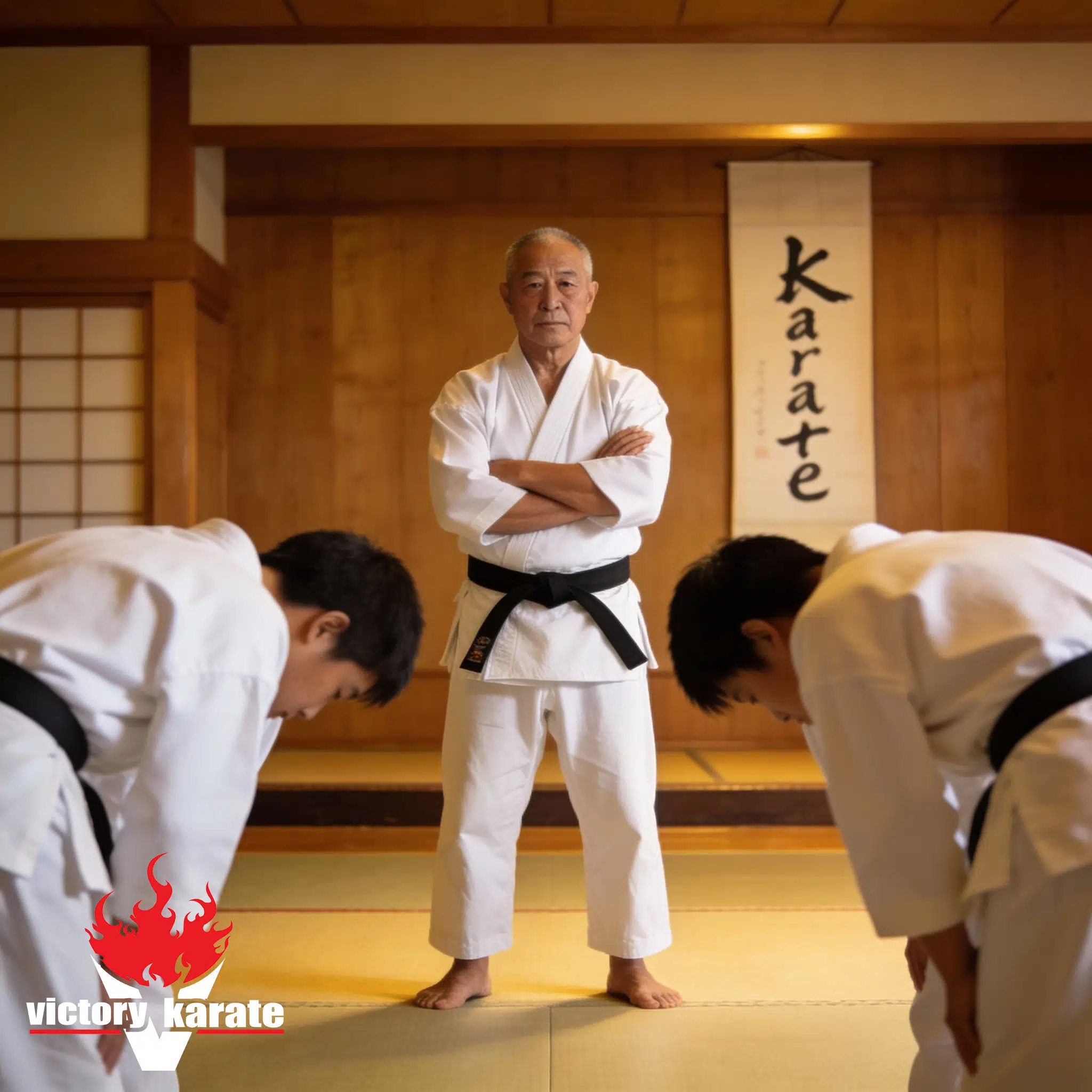
Master-level practitioners describe their black belt achievement as finally understanding how much they don't know. The belt doesn't signify mastery—it signifies readiness to begin mastering. This perspective keeps accomplished martial artists humble and hungry for continued development.
Students who quit after achieving black belt miss the point entirely. The goal was never the belt itself but what the belt represents: commitment to lifelong improvement. Those who continue training after black belt discover depths of skill and understanding unavailable to those who stopped.
Is Black Belt Worth Pursuing?
The journey transforms you regardless of whether you reach the destination. Students who train for two years before quitting still gain tremendously—fitness, confidence, self-defense capability, discipline. Black belt isn't the only worthwhile outcome.
But there's something special about completing the full journey. The psychological impact of achieving a multi-year goal changes how you approach all challenges. If you can earn black belt, what else might you accomplish with similar dedication? The confidence transfers to career, relationships, and personal development broadly.
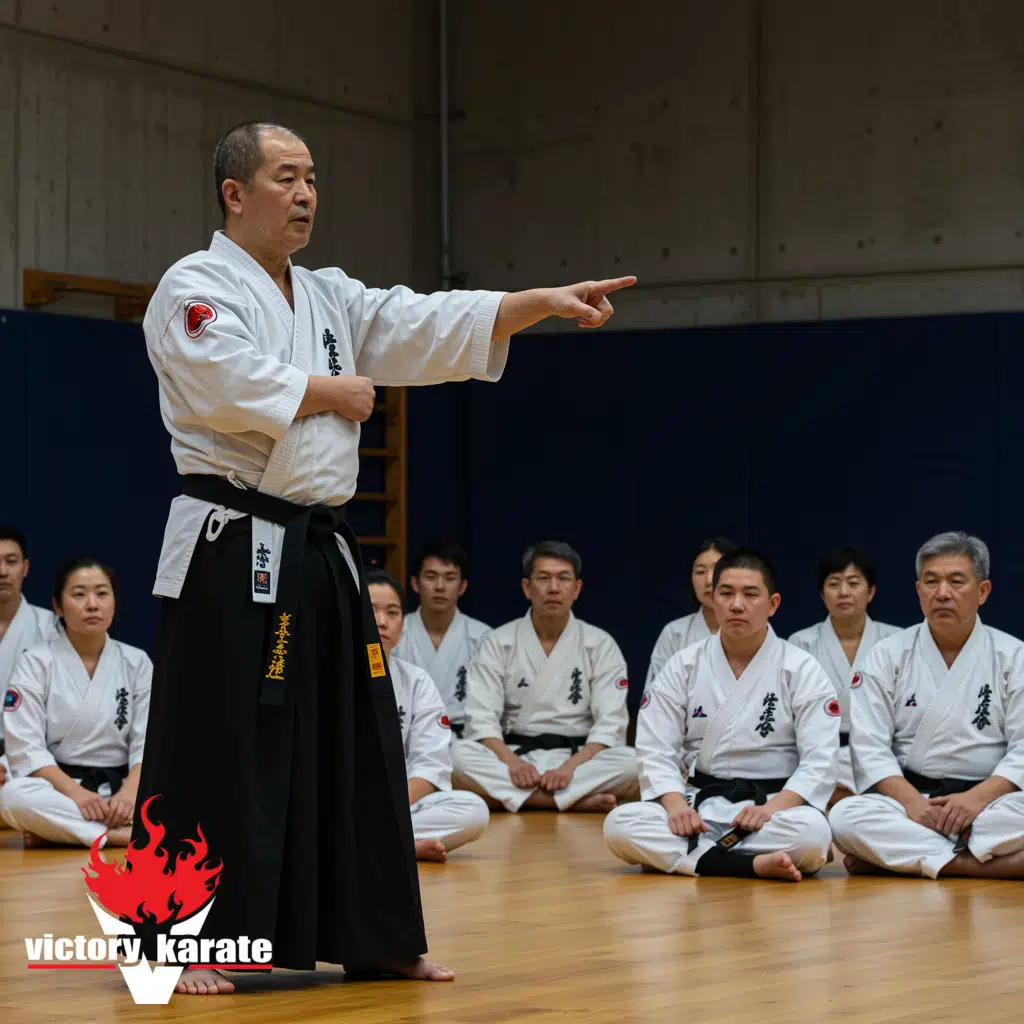
Victory Karate and Afterschool supports students from white belt through black belt and beyond. Our programs build the perseverance, technique, and character that black belt achievement requires. The journey is demanding—but those who complete it join an elite group who've proven what commitment can accomplish.
Frequently Asked Questions
Typically 3-5 years of consistent training, though quality schools won't rush the process.
Only about 3-5% of students who begin training ultimately earn black belt rank.
No—black belt represents the beginning of serious study, not mastery achievement.
Physical limitations can be accommodated; the real requirement is mental commitment.
No—standards vary dramatically; research schools carefully before enrolling.
Maintaining consistent training through the inevitable plateaus and discouragements.