Martial Arts as a Weight Loss Solution for Kids
Childhood obesity rates continue climbing despite decades of public health campaigns. Traditional approaches—sports teams, gym memberships, diet programs—often fail because they don't address the psychological barriers that keep overweight children sedentary. Martial arts offers something different: a path to fitness that builds confidence alongside physical capability.
The dojo environment creates unique conditions for sustainable weight management. Individual progression means no benchwarming while athletic kids dominate. Belt advancement provides visible milestones that maintain motivation over months and years. The social structure supports rather than shames. Here's why martial arts works when other approaches fail.

Why Traditional Sports Often Fail
Team sports inadvertently punish overweight children. The heaviest kid gets picked last, plays least, and feels most conspicuous. Athletic peers outperform them visibly, constantly. Coaches prioritize winning over individual development—understandably, but damagingly for kids who need encouragement most.
Gym classes create similar dynamics. Timed runs humiliate slower students publicly. Team games showcase athletic disparity. The overweight child learns to associate physical activity with embarrassment rather than enjoyment. This conditioning persists into adulthood, creating lifelong exercise avoidance.
Martial arts inverts these dynamics completely. Every student trains individually within a group setting. Your progress depends entirely on your own effort, measured against your own previous capability. The forty-pound-overweight yellow belt isn't compared to the athletic yellow belt—they're each working their own journey at their own pace.
The Calorie Burn Factor
| Activity | Calories/Hour (100lb child) | Engagement Level |
|---|---|---|
| Martial arts class | 350-450 | High |
| Soccer practice | 300-400 | Variable |
| Basketball | 350-450 | Variable |
| Swimming | 400-500 | Moderate |
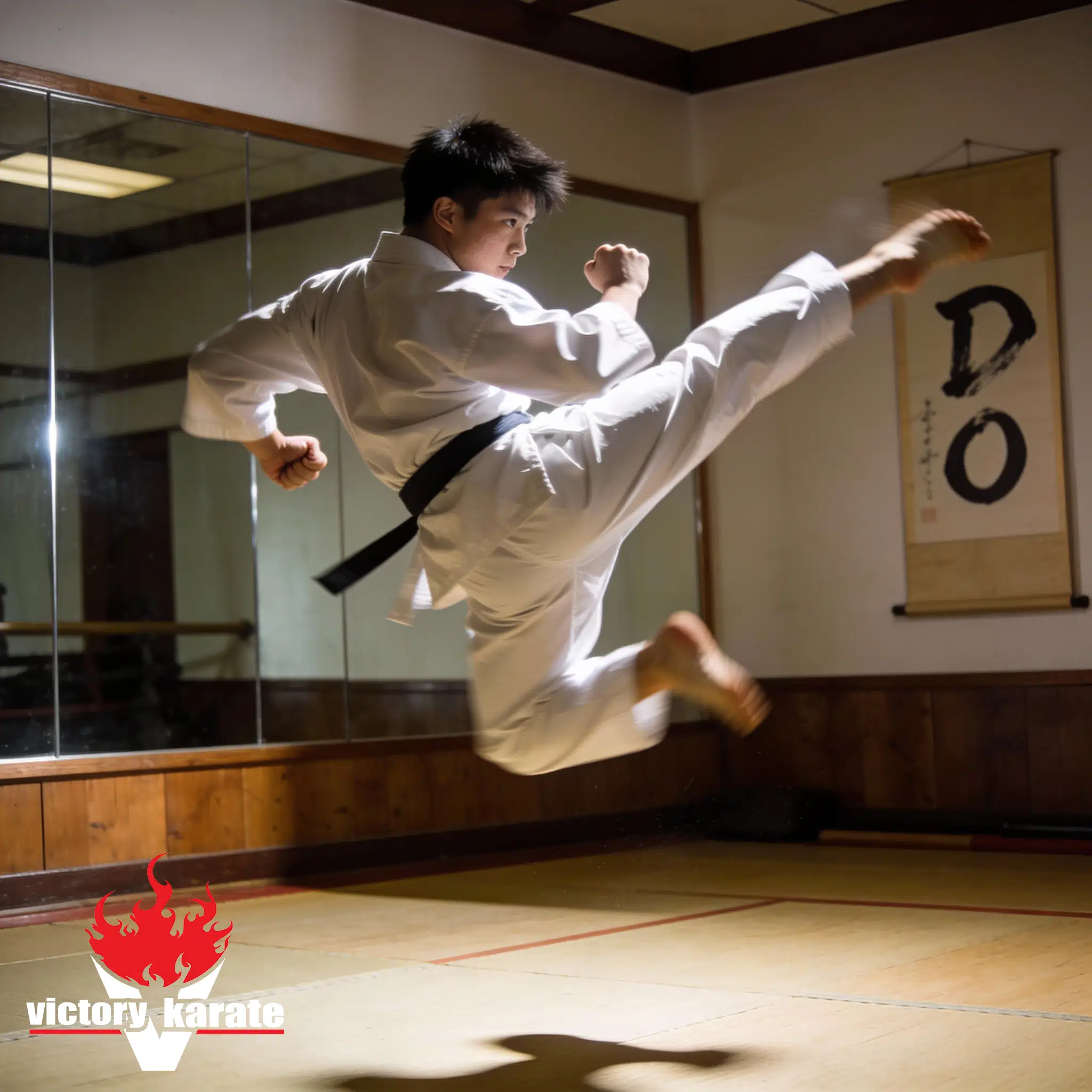
Martial arts classes burn comparable calories to other vigorous activities, but the engagement level stays consistently high. Every student participates throughout class—no sitting on sidelines waiting for turns, no standing in outfield hoping the ball doesn't come your way. The hour-long session keeps bodies moving continuously.
Building Sustainable Habits
Short-term weight loss means nothing without behavior change that persists. Crash diets fail because they don't create sustainable patterns. The same applies to exercise—temporary motivation fades without deeper engagement.
Martial arts creates genuine enthusiasm that sustains participation. Kids actually want to attend class because they're learning something cool, earning visible achievements, and building friendships with training partners. The weight loss becomes byproduct of activity they genuinely enjoy rather than punishment they endure.

Belt progression provides intermittent reinforcement that maintains motivation. Each stripe earned, each belt promoted, validates effort and encourages continued commitment. The psychological reward structure keeps kids engaged through the months and years required for lasting change.
- Regular class schedule builds exercise into weekly routine automatically
- Belt goals create milestone targets that maintain long-term motivation
- Social connections with classmates encourage consistent attendance
- Skill development provides intrinsic motivation beyond weight management
The Confidence Connection
Overweight children often carry psychological burdens that perpetuate their condition. Low self-esteem discourages physical activity. Social anxiety limits participation. Negative body image creates avoidance behaviors. Breaking this cycle requires building confidence alongside fitness.
Martial arts accomplishment builds genuine self-esteem based on real achievement. When a previously sedentary child executes their first proper kick, breaks their first board, earns their first belt—that's legitimate accomplishment they created through effort. This confidence spreads beyond the dojo into school, social situations, and physical activity generally.

The respect-based dojo culture provides safe environment for children who've experienced teasing elsewhere. Instructors enforce behavioral standards that prohibit mockery. Senior students model supportive attitudes. The overweight beginner experiences acceptance rather than rejection—often for the first time in physical activity contexts.
Practical Considerations
Not all martial arts schools suit weight management goals equally. Look for programs that emphasize fitness conditioning alongside technique training. Classes should include warm-up exercises, cardio components, and strength-building activities—not just standing and practicing forms.
Frequency matters for results. Twice-weekly classes provide minimum effective dose; three times weekly produces faster progress. Most schools offer unlimited class packages that encourage more frequent attendance. The additional cost often justifies itself through better outcomes.
Instructor attitude toward overweight students reveals program quality. Good teachers encourage without enabling, push without shaming, and celebrate effort regardless of starting point. Observe classes before enrolling to assess these dynamics.
- Visit multiple schools before choosing—observe how instructors interact with various body types
- Ask about class structure—look for programs with significant cardio components
- Consider trial periods—most schools offer introductory packages
- Commit to minimum three months before evaluating results
Realistic Expectations
Martial arts won't transform an obese child into an athlete overnight. Sustainable weight loss happens gradually—one to two pounds weekly represents healthy progress. The focus should remain on building habits and capability rather than obsessing over scale numbers.
Dietary factors obviously matter alongside exercise. Martial arts training alone can't overcome poor nutrition. But the discipline and self-respect developed through training often naturally improves food choices without requiring separate intervention. Kids who feel good about their bodies tend to treat them better.
Victory Karate and Afterschool welcomes students of all fitness levels. Our programs emphasize individual progress within supportive group environments. Every child deserves the confidence and capability that martial arts develops—regardless of their starting point.
Frequently Asked Questions
A typical hour-long class burns 300-500 calories depending on intensity and the child's weight.
Good schools create supportive environments where all body types train together without judgment.
Two to three classes weekly provides consistent calorie burn while allowing recovery time.
Individual progression removes comparison pressure that can discourage heavier children in team settings.
Most children show measurable changes within 2-3 months of consistent training.
Combining moderate dietary improvements with increased activity produces best results.