How Martial Arts Sharpens Problem-Solving Skills
The punch comes faster than thought allows. You don't have time to consciously analyze, decide, and respond. Yet somehow, your body moves appropriately—blocking, evading, countering. What looks like instinct is actually trained problem-solving operating at speeds beyond deliberate cognition.
Martial arts develops problem-solving capacity in ways that transfer far beyond the dojo. The skills aren't just about physical confrontation. They're about pattern recognition, focused analysis under pressure, and persistent effort toward solutions. Here's how training builds these capabilities and why they matter in everyday life.
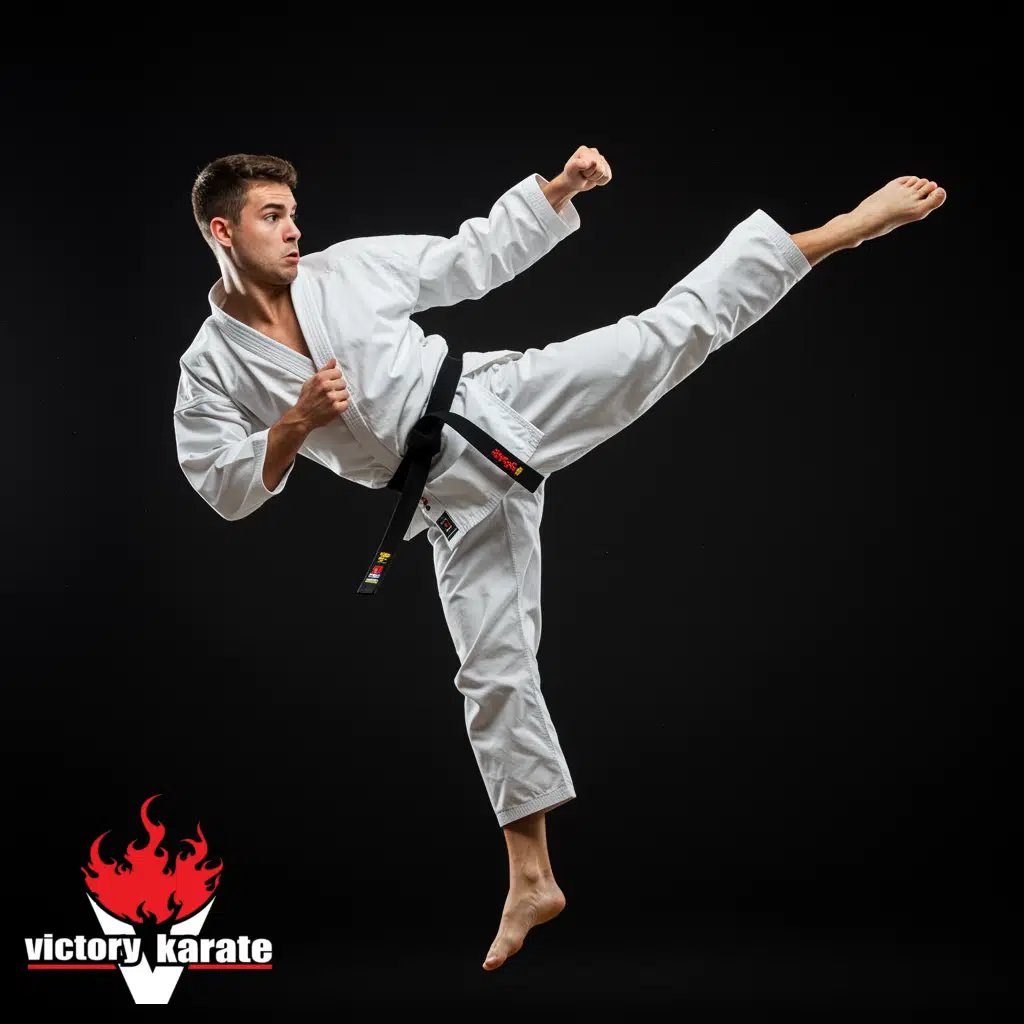
Pattern Recognition Through Kata
Kata—the prearranged forms that comprise traditional martial arts—teach systematic problem-solving methodology. Each kata presents a sequence of techniques responding to imagined attacks. Students learn to recognize patterns: this attack calls for that response, this combination creates that opening.
The cognitive process mirrors analytical thinking in other domains. Break the problem into components. Identify the relationships between elements. Execute solutions in proper sequence. Verify results before proceeding. These steps apply whether you're analyzing a kata or troubleshooting a business challenge.
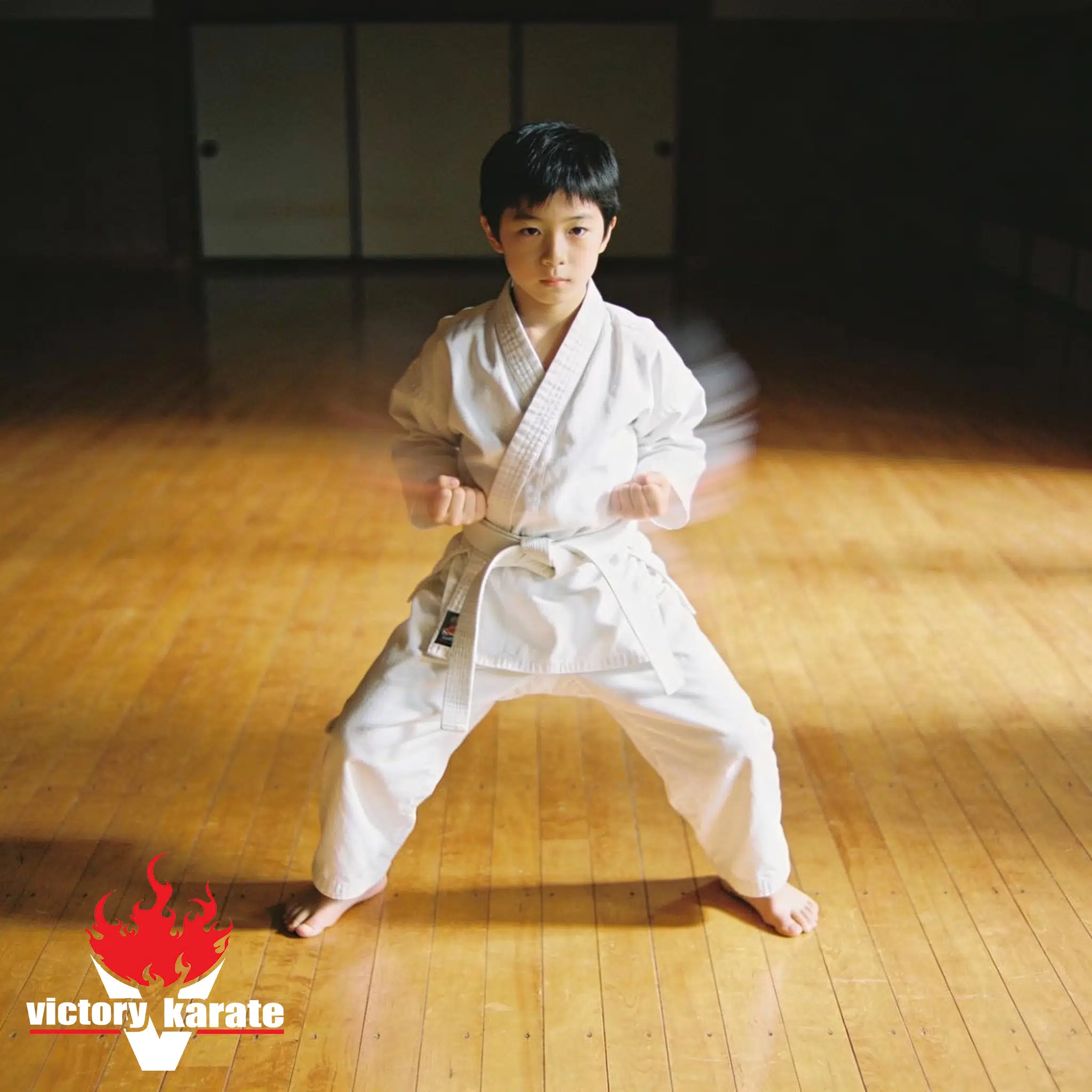
Long-term kata practice develops intuitive pattern recognition that operates faster than conscious analysis. Experienced practitioners "see" solutions immediately because their trained brains recognize familiar patterns within novel situations. This transfer effect enhances pattern recognition in professional and personal contexts.
Focus Under Pressure
Sparring creates controlled stress that develops pressure-resistant focus. Your training partner isn't waiting while you think. Attacks keep coming. You must maintain analytical clarity while managing physical and psychological stress simultaneously.
This stress inoculation builds capability that transfers directly to high-pressure situations elsewhere. Job interviews, difficult conversations, emergency situations—all benefit from the focused calm that martial arts develops. You've trained your nervous system to maintain cognitive function when adrenaline flows.

| Training Element | Cognitive Skill Developed | Real-World Application |
|---|---|---|
| Kata practice | Sequential analysis | Project planning |
| Sparring | Rapid decision-making | Crisis management |
| Technique refinement | Detail orientation | Quality control |
| Belt testing | Performance under evaluation | Presentations, interviews |
Persistence and Iteration
No technique works perfectly on first attempt. Martial arts training involves endless repetition, gradual refinement, and persistent effort toward improvement. You try, fail, adjust, try again. Progress comes through iteration, not instant success.
This mindset proves invaluable for complex problem-solving. Real challenges rarely yield to single attempts. The willingness to persist through failures, learn from mistakes, and continue iterating separates successful problem-solvers from those who quit prematurely.
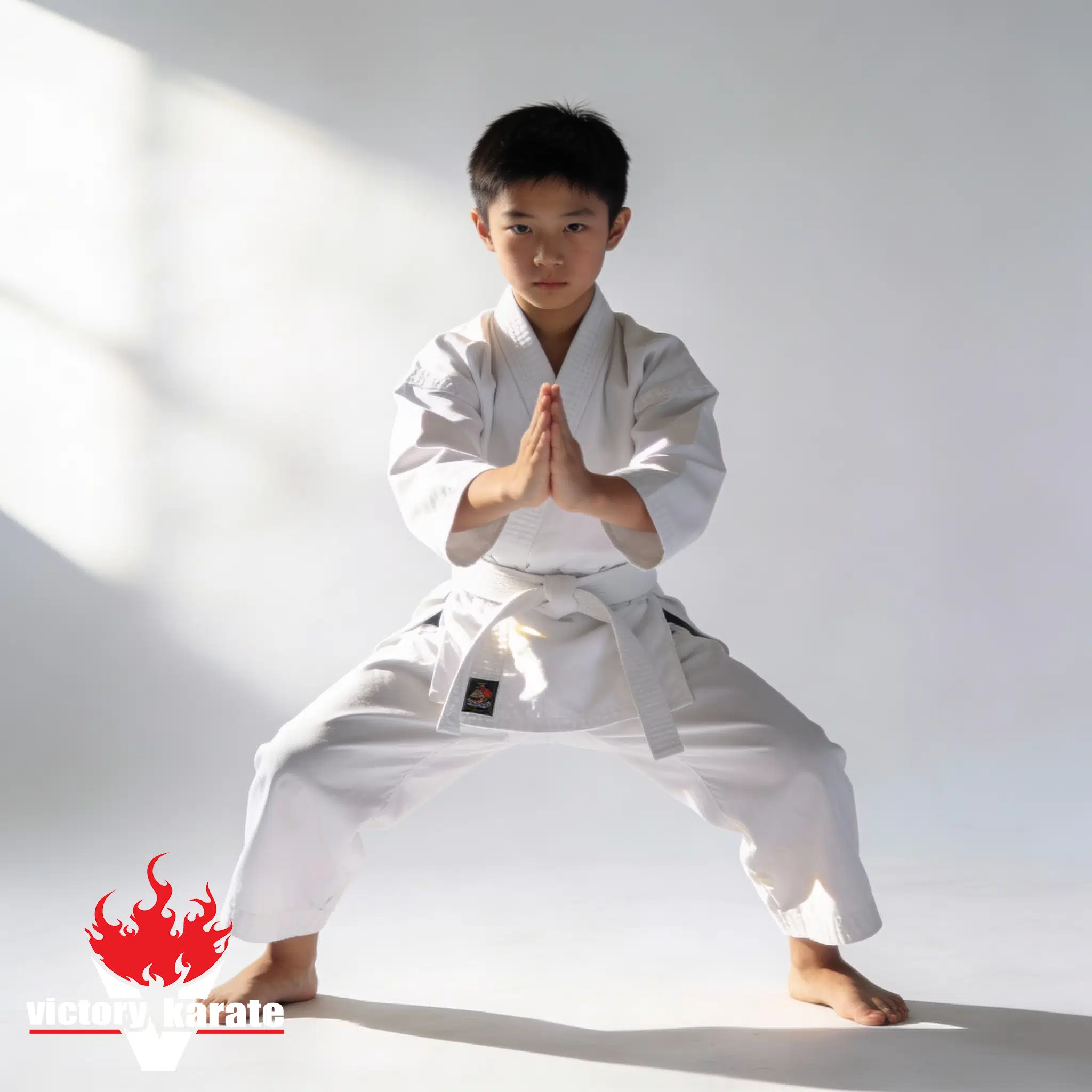
Martial arts makes this persistence tangible. You can feel your technique improving over months and years. The incremental progress becomes visible in belt promotions and increased capability. This concrete experience of persistence paying off builds confidence that sustained effort produces results.
- Embrace failure as feedback rather than defeat—every missed technique teaches something
- Break complex challenges into smaller, manageable components
- Maintain focus on long-term improvement rather than immediate perfection
- Apply lessons from previous failures to current challenges systematically
Analytical Thinking in Combat Context
Every sparring exchange presents a real-time problem requiring solution. Your opponent has strengths and weaknesses. Various attacks and defenses offer different risk-reward profiles. Time pressure demands efficient analysis. The optimal response depends on multiple variables—distance, timing, your capabilities, their vulnerabilities.
Training in this environment develops rapid analytical capability. You learn to assess situations quickly, identify relevant factors, generate options, and execute decisions—all under time pressure. These skills transfer naturally to business and personal problem-solving contexts.
Strategic thinking also develops through martial arts study. Beyond immediate tactical decisions, successful practitioners think several moves ahead. What does this technique set up? How might my opponent respond? What counters should I prepare? This forward-thinking analysis applies directly to career planning, negotiations, and life decisions generally.
- Assess the situation—what's actually happening, not what you assumed would happen
- Identify your resources and limitations honestly
- Generate multiple response options before committing
- Execute decisively once you've chosen your approach
- Evaluate results and adjust for next iteration
Transfer to Daily Life
The cognitive skills martial arts develops don't stay confined to the dojo. They follow you to work, into relationships, through every challenge life presents. The transfer happens naturally as your brain applies trained patterns to new contexts.
Think about it. A difficult math problem? It's just a kata—break it into steps, execute methodically. A complex business decision? Same approach. A chess match, a relationship issue, a career choice? Pattern recognition, focus, persistence. The tools translate.
Students who train for years report this transfer effect consistently. They approach problems differently. More methodically. More patiently. With more confidence that solutions exist even when not immediately apparent.
Building These Skills at Victory Karate
Our programs intentionally develop cognitive capabilities alongside physical skills. Classes include analytical exercises that strengthen problem-solving explicitly. Instructors guide students to understand why techniques work, not just how to execute them.
The structured belt curriculum provides progressive cognitive challenges. White belt problems differ from brown belt problems—complexity increases as capability grows. Students continuously face appropriate challenges that stretch their problem-solving capacity.
Victory Karate and Afterschool serves families throughout the Bronx seeking not just martial arts training but comprehensive youth development. The problem-solving skills our students develop serve them throughout their lives, long after specific techniques fade from memory.
Frequently Asked Questions
Most students report enhanced focus and clarity within 2-3 months of consistent training.
Any traditional style with kata practice and sparring develops these cognitive benefits effectively.
Absolutely—children often show faster improvements in focus and methodical thinking than adults.
Martial arts adds physical conditioning and stress inoculation that purely mental activities can't provide.
Sparring accelerates development but kata practice alone builds substantial problem-solving capacity.
The combination of physical exercise, focus training, and mental discipline significantly reduces work stress.